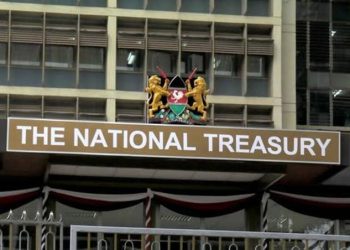
In Kenya, retirement planning is anchored on two main types of pension schemes: public and private. Public pension funds, such as the National Social Security Fund (NSSF), are government-mandated and primarily serve formal sector employees. While NSSF provides a basic safety net, its returns are modest, and the benefits may not be sufficient to sustain a comfortable lifestyle in retirement. The structure is rigid, and investment decisions are often conservative, limiting the potential for higher growth.
Public pension funds, such as NSSF, are statutory and serve a broad population. Contributions are fixed by law and investment decisions are centrally managed, meaning members have limited influence over how their funds grow. The returns, though stable, are often conservative, and the overall benefits may not keep pace with inflation or increasing post-retirement expenses, especially healthcare. In 2024, NSSF registered returns of 12.0%, while segregated retirement benefits schemes recorded returns of 13.2%.
Private pension funds, on the other hand, offer greater flexibility, higher returns, and tailored solutions for diverse contributors. These schemes are managed by licensed fund managers and are open to both formal and informal sector workers. Unlike public schemes, private pensions allow contributors to determine how much they save, how frequently they contribute, and even how their funds are invested. This flexibility makes them especially attractive to self-employed individuals, gig workers, and SMEs. Moreover, private schemes often provide better customer service, digital access, and personalized financial advice, features that are rarely available in public systems.
One of the key advantages of private pension schemes is their investment strategy. Fund managers have the freedom to diversify portfolios across various asset classes, including real estate, equities, and fixed income, which can lead to significantly higher returns over time. Additionally, private schemes offer portability, allowing members to transfer their savings if they change jobs or providers. Withdrawal options are also more flexible, with some schemes offering income drawdown options or partial withdrawals under specific conditions.


This is where Cytonn Pensions stands out. Through products like the Cytonn Personal Retirement Benefits Scheme (CPRBS) for individuals, the Cytonn Umbrella Retirement Benefits Scheme (CURBS) for employers, and the Cytonn Income Drawdown Fund (CIDDF) for retirees, Cytonn offers accessible, professionally managed retirement solutions tailored to modern income realities. Cytonn’s schemes are designed to empower both individuals and employers. Whether you’re self-employed, running a small business, or nearing retirement, Cytonn offers flexible, high-growth solutions that go beyond the limitations of public pensions. Notably,CURBS and CPRBS declared returns of 18.8% and 27.7% respectively.
Ultimately, private pension schemes provide not just a savings vehicle, but a comprehensive strategy for wealth creation, income protection, and post-retirement peace of mind.