Sharp Daily
  • News
  • Business
  • Technology
  • Real Estate
  • Opinion
  • About Us
No Result
View All Result
Sharp Daily
  • News
  • Business
  • Technology
  • Real Estate
  • Opinion
  • About Us
No Result
View All Result
Sharp Daily
No Result
View All Result
Home Real Estate

A step-by-step guide to achieving a perfect paint finish

Solomon Kimani by Solomon Kimani
July 2, 2024
in Real Estate
Reading Time: 2 mins read

Painting is done to improve the aesthetic appearance of a structure. The execution of the paintwork is crucial to ensure the desired look is achieved. After plastering is completed, the process of the paint job begins.

The first step is preparing the surface to be painted and the working area. All the edges of the wall that meet other elements, such as skirting boards, switches, and door frames, need to be taped to avoid paint spilling on them. A polythene sheet should be spread across the floor to prevent staining, and the work surface must be cleaned to remove any dust particles. Plaster bumps are removed using a scraper, and any dents in the plaster should be filled before applying the undercoat.

After the plaster repairs, an undercoat layer is applied. Next comes skimming, which is done to achieve a better, smoother surface for the paint. Gyproc filler can be used for skimming, applied with a steel trowel. When mixing the filler, adding paint to the mix helps to slow down the drying process.

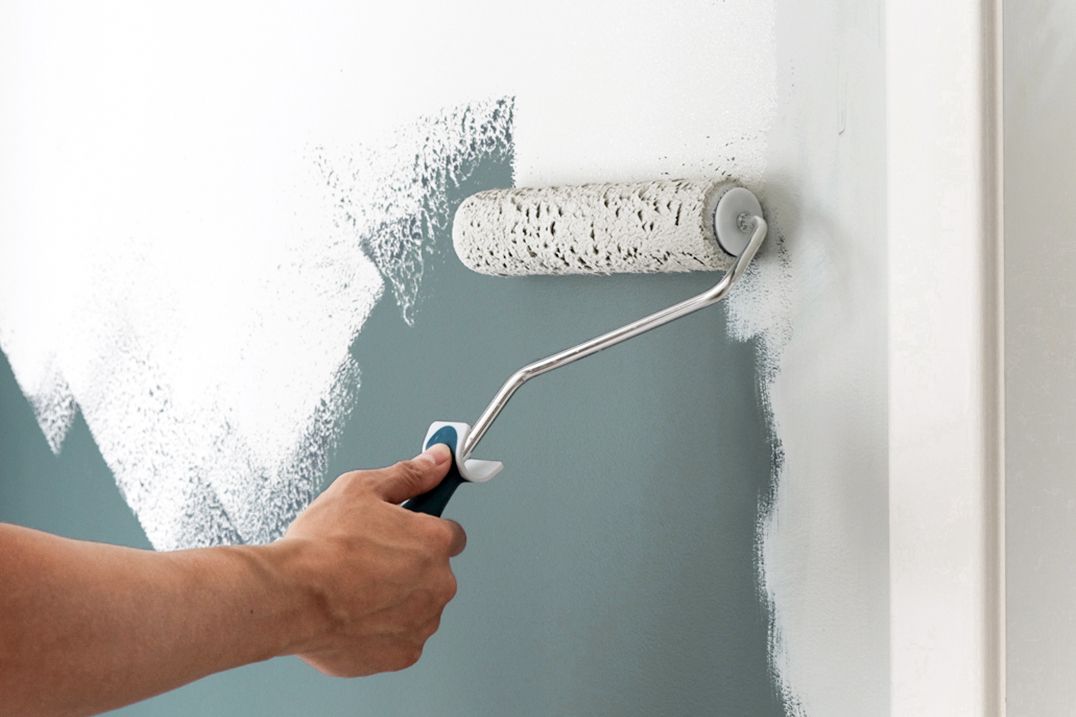
After skimming, sanding is done to remove any bumps and level the work surface. Rough sanding is performed using 80-grit sandpaper on the filler. Following sanding, the first paint coat is applied. Smooth sanding with 120-grit sandpaper is done on the first coat, especially on areas that are not smooth. Touch-ups are made in areas with substantial dents for a smoother finish. Paint is typically applied by moving the brush in an up-and-down motion rather than side-to-side to cover the brush strokes.

RELATEDPOSTS

No Content Available

After at least two days of drying, the next coat can be applied. The second coat ensures uniformity of shade. If necessary, a third coat can be applied for a near-perfect finish. Each layer should be allowed adequate drying time to achieve the best results.


Previous Post

The role of interior design in increasing property value

Next Post

Kenya expands Inua Jamii cash transfer programme to reach more vulnerable citizens

Solomon Kimani

Solomon Kimani

Related Posts

Opinion

Building up, Breaking down?

September 11, 2026
Analysis

Kenya’s Real Estate market is changing

August 21, 2026
News

Muguku family puts Waterfront Karen Mall up for sale in multi-billion shilling deal

July 22, 2026
News

Why Kenya’s apartment prices keep falling while standalone homes surge

July 17, 2026
Real Estate

Nairobi’s Railway Revival Promises Relief from Gridlock and Supports Ordered Urban Growth

July 17, 2026
Real Estate

High Interest Rates, Oversupply and Poor Planning Drive Surge in Real Estate Loan Defaults in Kenya

July 10, 2026

LATEST STORIES

Real Estate vs. REITs: Which Path Fits Your Budget?

October 14, 2026

Formula 1 confirms Rwanda will host the African Grand Prix from the early 2030s

October 14, 2026

Digital power imbalance limits online revenue for kenyan content creators

October 14, 2026

Central Bank Rate Held at 8.75%: Market Commentary

October 14, 2026

Microsoft reportedly to close Nairobi engineering centre in global restructuring

October 13, 2026

Kenya plans a central database to track recycled phone numbers

October 12, 2026

The Hidden Retirement Crisis Facing Kenyans

October 12, 2026

Expanding opportunities for Kenyan investors

October 12, 2026
  • About Us
  • Meet The Team
  • Careers
  • Privacy Policy
  • Terms and Conditions
Email us: editor@thesharpdaily.com

Sharp Daily © 2024

No Result
View All Result
  • News
  • Business
  • Technology
  • Real Estate
  • Opinion
  • About Us

Sharp Daily © 2024