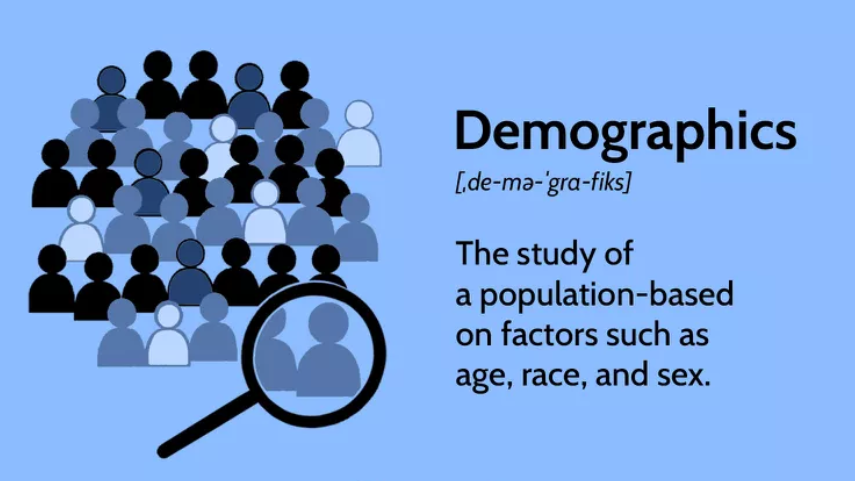
Demographic trends are a significant factor in shaping economic activity and long-term investment opportunities. Changes in population size, age distribution, urbanization, and workforce composition influence consumer behavior, labor markets, savings patterns, and demand for goods and services. For investors, understanding demographic dynamics is essential in identifying sectors with long-term growth potential and anticipating shifts in market conditions.
Population growth is one of the most direct demographic drivers of economic expansion. Growing populations increase demand for housing, healthcare, education, transportation, and consumer goods. As demand rises, businesses operating in these sectors may experience revenue growth and expansion opportunities. Economies with strong population growth often attract investment due to their expanding consumer markets and labor force potential.
Age structure also has a major impact on investment markets. Younger populations tend to drive consumption and labor market participation, supporting growth in industries such as technology, retail, and education. In contrast, aging populations often increase demand for healthcare services, retirement products, and income-generating investments. Investors therefore adjust their strategies based on demographic shifts, focusing on sectors likely to benefit from changing consumer needs.
Urbanization is another important demographic trend influencing investment opportunities. As more people move to urban areas, demand for infrastructure, real estate, utilities, and financial services tends to increase. Urban growth can stimulate investment in transport systems, housing developments, and commercial property. This process also supports the expansion of industries linked to urban lifestyles and digital connectivity.


Workforce dynamics are closely linked to demographic patterns and economic productivity. A growing and skilled labor force can enhance economic output and corporate profitability, supporting equity market performance over the long term. However, economies experiencing labor shortages or declining working-age populations may face slower growth and increased fiscal pressure, particularly in supporting aging populations through pensions and healthcare systems.
Savings and investment behavior also vary across demographic groups. Younger individuals often focus on growth-oriented investments with longer time horizons, while older investors may prioritize income stability and capital preservation. These preferences influence demand across asset classes, affecting market trends and portfolio allocation strategies.
Demographic changes can also influence government policy and fiscal planning. Rising populations may require increased investment in infrastructure and public services, while aging populations can place pressure on healthcare and social protection systems. These policy responses may create opportunities in sectors supported by public spending and long-term development strategies.
Global investment flows are increasingly influenced by demographic trends as investors seek markets with favorable growth prospects. Countries with expanding middle classes and strong workforce participation may attract higher levels of foreign investment due to their long-term economic potential. At the same time, demographic challenges such as declining birth rates or migration pressures can affect investor confidence and economic outlook.
Technological adoption is another area connected to demographic change. Younger and urbanized populations often drive demand for digital services, financial technology, and innovation-driven industries. This creates opportunities for businesses that can adapt to evolving consumer behavior and technological preferences.
In conclusion, demographic trends are a powerful force shaping investment markets and economic development. By influencing consumption patterns, labor markets, and policy priorities, demographic changes create both opportunities and challenges for investors. Understanding these trends enables investors to identify long-term growth areas and position their portfolios in line with evolving economic realities.