
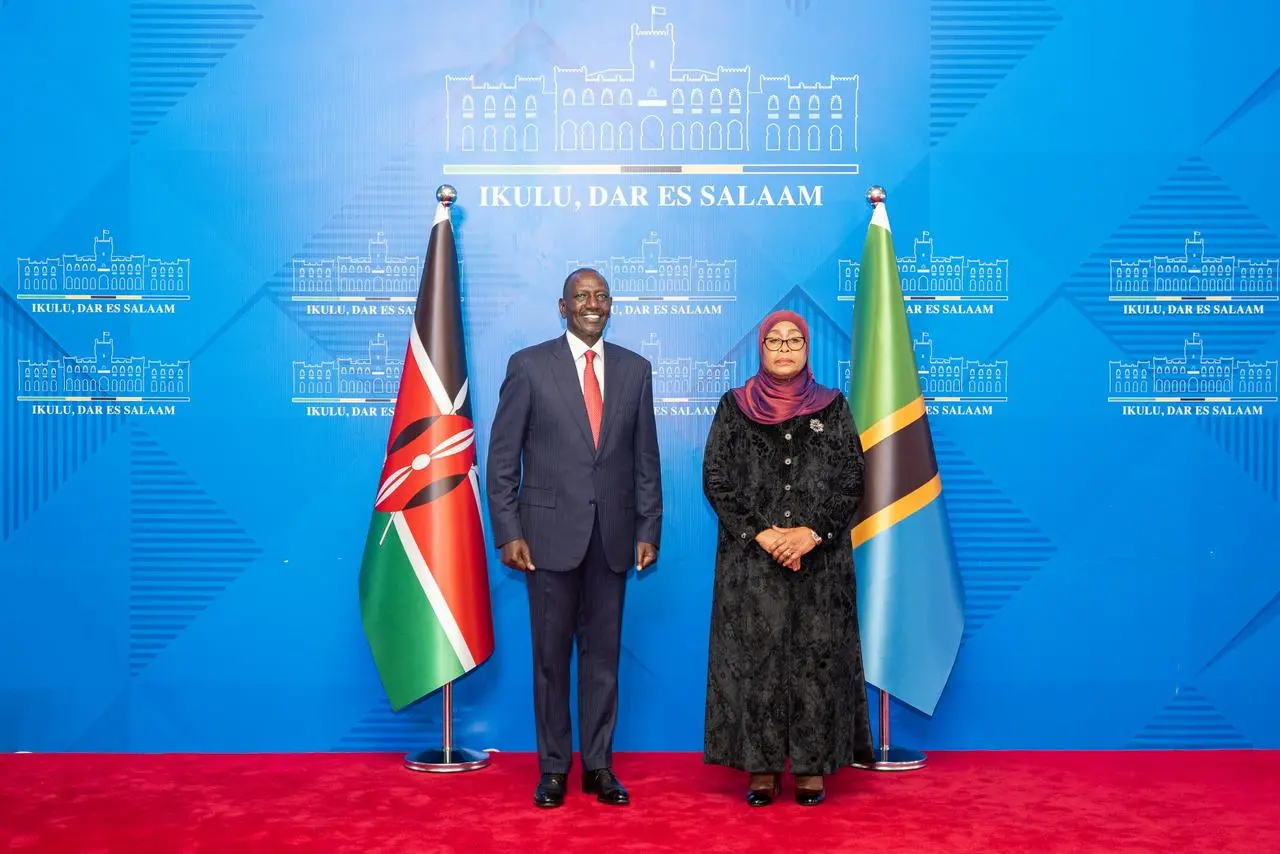
Tanzania’s President Samia Suluhu Hassan has voiced strong reservations over a proposed 650,000 barrels-per-day oil refinery in Tanga, announced by Kenya’s President William Ruto without her prior input. This ambitious project, involving regional partners and Nigeria’s Aliko Dangote, highlights both collaboration potential and diplomatic friction in East Africa’s energy landscape.
The initiative surfaced at a recent Nairobi infrastructure summit, where Ruto engaged Uganda’s Yoweri Museveni and Dangote. Absent from the talks, Hassan confronted Ruto during his Dar es Salaam visit, questioning the Tanga announcement.
Diplomatic Pushback and Regional Opportunities
Hassan directly asked Ruto why the refinery—slated for Tanga, her country’s northeastern port—was publicized without consultation. Ruto countered playfully, noting Tanzanians would be “lucky” to host it and joking he’d have picked Mombasa otherwise. He stressed the venture’s value, with Kenya and Uganda committing crude supplies via the new Ugandan pipeline terminating in Tanga, which eyes exports by year-end.
From an investment standpoint, Tanga’s location—mere 130 km from Mombasa—positions it ideally for cross-border logistics, potentially transforming East Africa’s fuel import dynamics.
Energy Security in a Volatile World
Geopolitical tensions in the Persian Gulf have sharpened the need for local refining capacity. CITAC data reveals eastern and southern African nations import up to 75% of fuel from the region, exposing vulnerabilities. Dangote’s vision draws from his Lagos success: a 650,000 bpd facility now at full tilt, curbing Nigeria’s import bills.
A Tanga refinery could materialize in 4-5 years with swift backing, offering investors stable returns amid rising global oil demand. As Helen Nyambura writes and reports in her article on the same, Ruto called for unity: “We need each other to sidestep needless tensions.”