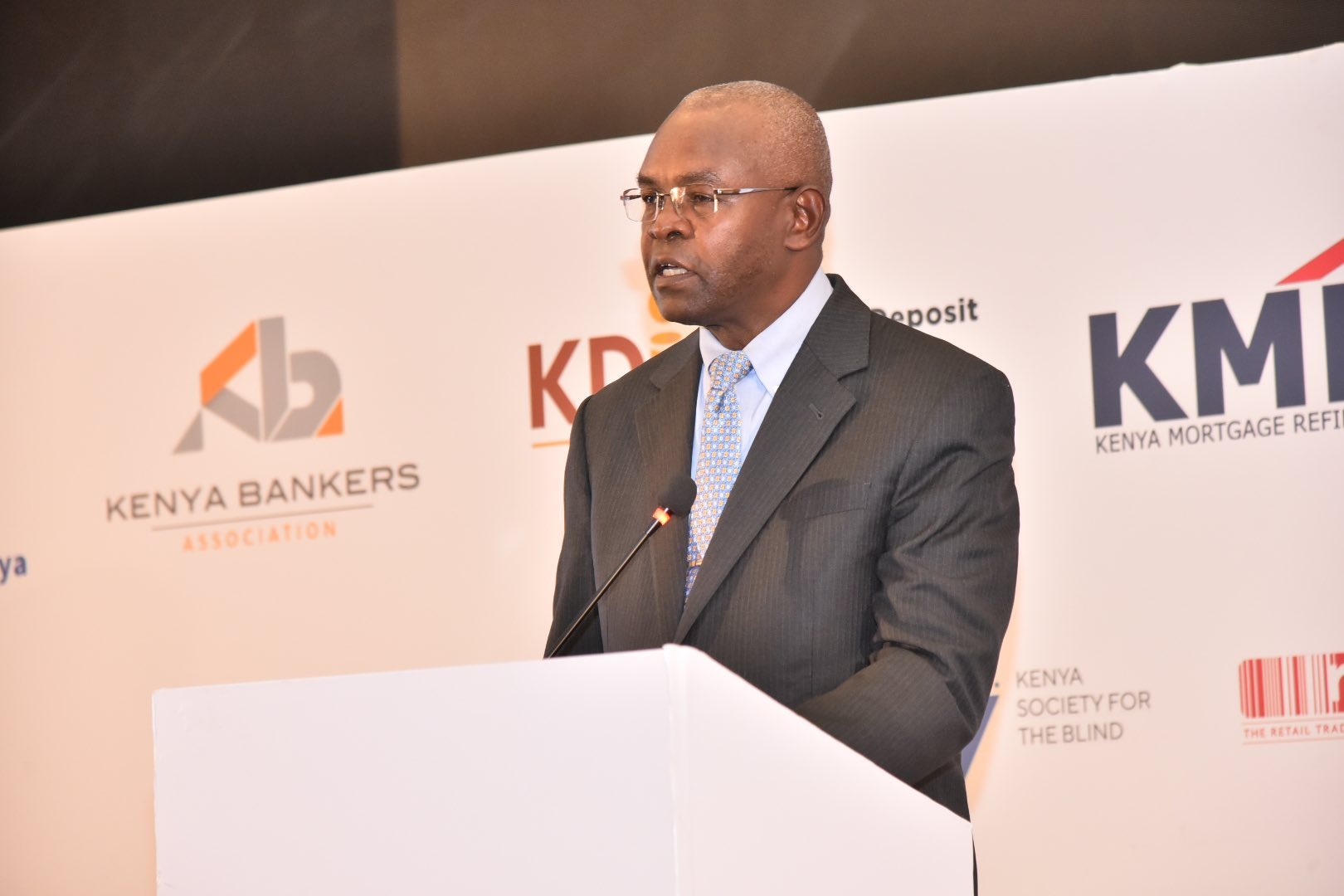
The US-Israel-Iran war is putting more and more strain on Kenya’s economy. As reported by David Herbling via his Bloomberg article, Treasury CS John Mbadi talked about debt-heavy relief options like $580–600 million in World Bank aid. This borrowing isn’t necessary for growth; it’s just a short-term buffer typical of those used during the COVID-19 global pandemic, when fiscal stimuli helped people deal with shocks but raised public debt without guaranteeing long-term wins.
Mbadi’s Balanced Approach
Herbling says that Mbadi is open about the fact that the country is not in trouble but needs resources. He is also looking at a $1B debt-for-food swap, a $350M Samurai bond, and a KSh 100B IMF program before June. His aspect of rejecting pure populism stands out (“balance interventions or lose the economy”), which is in line with Article 201 of the Constitution’s call for fair debt burdens across generations. This measured tone doesn’t cause panic as past knee-jerk reactions did.
Because of a war that Kenya didn’t start, fuel prices are up 16%, inflation is at 5.6% (above CBK’s 5% target), and VAT is down to KSh 12B. Geopolitical risks from Hormuz disruptions could make things worse, but debt makes things worse.
COVID-19 Parallel: What We Learned
Remember that in 2020–2021, Kenya cut VAT to 14%, paid off KSh 13 billion in bills, gave MSMEs guarantees, and lowered rates to make cash flows more available. These worked for a short time to keep supply chains stable during lockdowns, but public debt rose from 60.8% to 64.3% of GDP, and service costs rose to 8.2% of revenue. Recovery took longer than expected, and growth fell to -0.3% in 2020 before picking up again. Mbadi’s current plan is similar: quick help from outside lenders, but if repayments go up, it could scare off private investors.


Expenditure and Public Scrutiny
The Treasury makes proposals under the PFM Act, and Parliament approves budgets and extra money for emergencies. The National Assembly must approve big loans, and every year, there must be reports on the debt strategy. Article 201 says that public finance must be open and involve citizens. This way, future generations won’t have to deal with any unnecessary burdens.
Implementation? Spotty. COVID spending saw limited forums, maybe accounted for by the pre-cautions and safety measures put in place to ensure the safety of citizens from contracting the virus; either way, debt decisions often feel top-down.