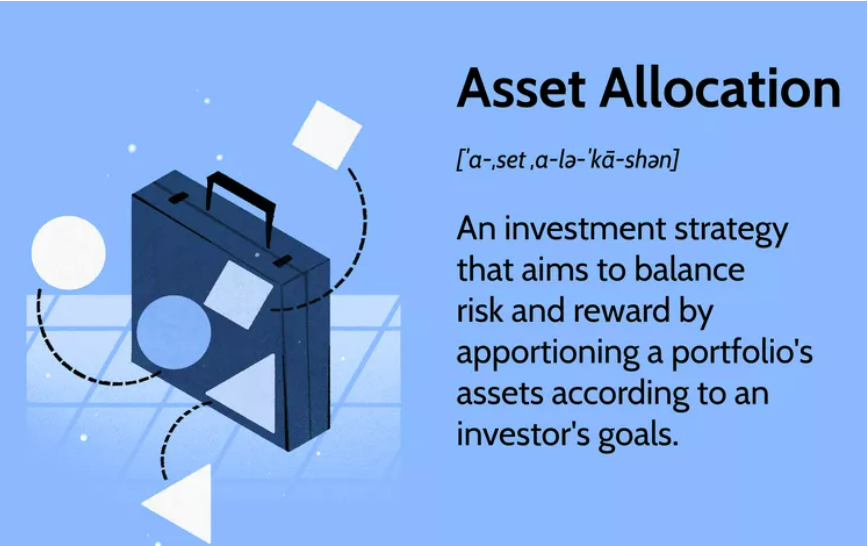
Asset allocation is a fundamental component of investment strategy, determining how an investor distributes capital across different asset classes such as equities, fixed income, cash, and alternative investments. Rather than focusing solely on individual securities, asset allocation emphasizes the broader structure of a portfolio, aligning investments with financial goals, risk tolerance, and time horizon. Over the long term, the way assets are allocated often has a greater impact on overall returns and risk management than individual investment choices.
One of the primary objectives of asset allocation is to balance risk and return. Different asset classes respond differently to economic conditions, meaning that combining them can help reduce overall portfolio volatility. For instance, equities typically offer higher return potential but are subject to greater price fluctuations, while fixed income instruments tend to provide more stable and predictable returns. By allocating funds across these assets, investors can create a portfolio that captures growth opportunities while maintaining a level of stability.
Time horizon plays a critical role in determining asset allocation. Investors with longer investment horizons are generally more capable of withstanding short-term market volatility and may allocate a larger portion of their portfolio to higher-risk assets such as equities. In contrast, those with shorter time frames or immediate financial needs often prioritize capital preservation, leading to a higher allocation in lower-risk assets such as bonds or cash equivalents.
Economic conditions also influence asset allocation decisions. During periods of economic expansion, investors may increase exposure to growth-oriented assets, while in times of uncertainty or downturns, there may be a shift toward more defensive investments. Interest rates, inflation, and global economic trends all play a role in shaping how assets are distributed within a portfolio.


Another important aspect of asset allocation is diversification. By spreading investments across multiple asset classes, sectors, and geographic regions, investors can reduce exposure to specific risks. This approach helps mitigate the impact of poor performance in any single area, contributing to more consistent long-term returns. Diversification, however, requires careful consideration of correlations between assets to ensure that the benefits are fully realized.
Rebalancing is an essential part of maintaining an effective asset allocation strategy. Over time, changes in asset values can cause a portfolio to deviate from its original allocation. Regular rebalancing involves adjusting the portfolio back to its target distribution, ensuring that risk levels remain aligned with the investor’s objectives. This process also encourages disciplined investment behavior by avoiding excessive concentration in assets that have performed well.
Behavioral factors can also influence asset allocation decisions. Investors may be tempted to adjust their portfolios based on short-term market movements or emotional reactions, which can lead to suboptimal outcomes. A well-defined asset allocation strategy helps maintain consistency and focus on long-term goals, reducing the impact of market volatility on decision-making.
In conclusion, asset allocation is a critical driver of long-term investment success. By carefully distributing investments across different asset classes, considering time horizons and economic conditions, and maintaining discipline through rebalancing, investors can build resilient portfolios that support sustainable financial growth.