From One Expressway to a Network
So far, Kenya’s experience with expressways is limited but instructive.
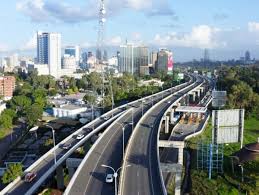
According to Vincent Owino, the Nairobi Expressway, a 27-kilometre toll road linking Mlolongo to Westlands, has demonstrated how high-capacity roads can ease congestion and cut travel time dramatically.
However, it has also sparked debate around affordability, access, and the long-term implications of toll-based infrastructure.
Now, the government appears ready to scale the model.


Projects already in motion include the Rironi–Mau Summit highway, being developed under a public-private partnership, and the proposed Nairobi–Mombasa expressway, which could become the longest in the country.
At the same time, plans are advancing to upgrade the Mau Summit–Eldoret–Malaba corridor into a dual carriageway, improving connectivity to Uganda and strengthening Kenya’s position as a regional trade hub.
Why Expressways Matter
High-capacity roads reduce travel time, lower vehicle operating costs, and improve supply chain reliability. For a country like Kenya—where road transport carries the bulk of goods—this has direct implications for inflation, trade, and economic growth.
Moreover, improved infrastructure can unlock new investment. Businesses are more likely to set up operations in areas with reliable transport links, while logistics companies benefit from predictable delivery timelines.
In that sense, expressways function as economic infrastructure, not just transport projects.
The PPP Model: Opportunity and Risk
A key feature of Kenya’s expressway expansion is the reliance on public-private partnerships (PPPs).
This approach allows the government to deliver large-scale infrastructure without placing the full burden on public finances. However, it comes with trade-offs.
Private investors expect returns, which often translates into toll charges. While this model accelerates construction, it raises concerns about inclusivity—particularly for lower-income users who may be priced out of faster routes.
The proposed creation of an expressway authority suggests that the government is aware of the need for stronger oversight as these projects expand.
Beyond Roads: A Structural Shift
What is emerging is more than a transport strategy—it is a structural shift in development thinking.
Kenya is moving toward a model where infrastructure is seen as a catalyst for growth, rather than just a public good. This aligns with broader global trends, where countries invest heavily in transport networks to drive industrialization and regional integration.
However, success will depend on execution. Poor planning, weak regulation, or unsustainable financing could turn these projects into long-term liabilities rather than assets.
The Bigger Question
The real question is not whether Kenya needs more expressways—it does.
The question is whether these roads will be accessible, sustainable, and aligned with broader economic goals.
If done right, they could transform how people and goods move across the country, unlocking productivity and attracting investment.
If done poorly, they risk becoming expensive corridors that benefit only a fraction of the population.