
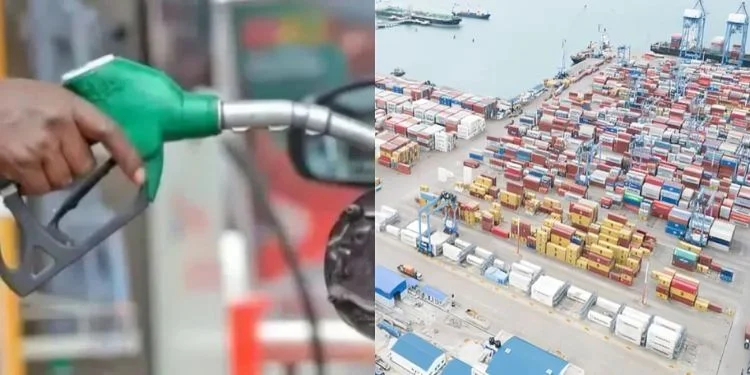
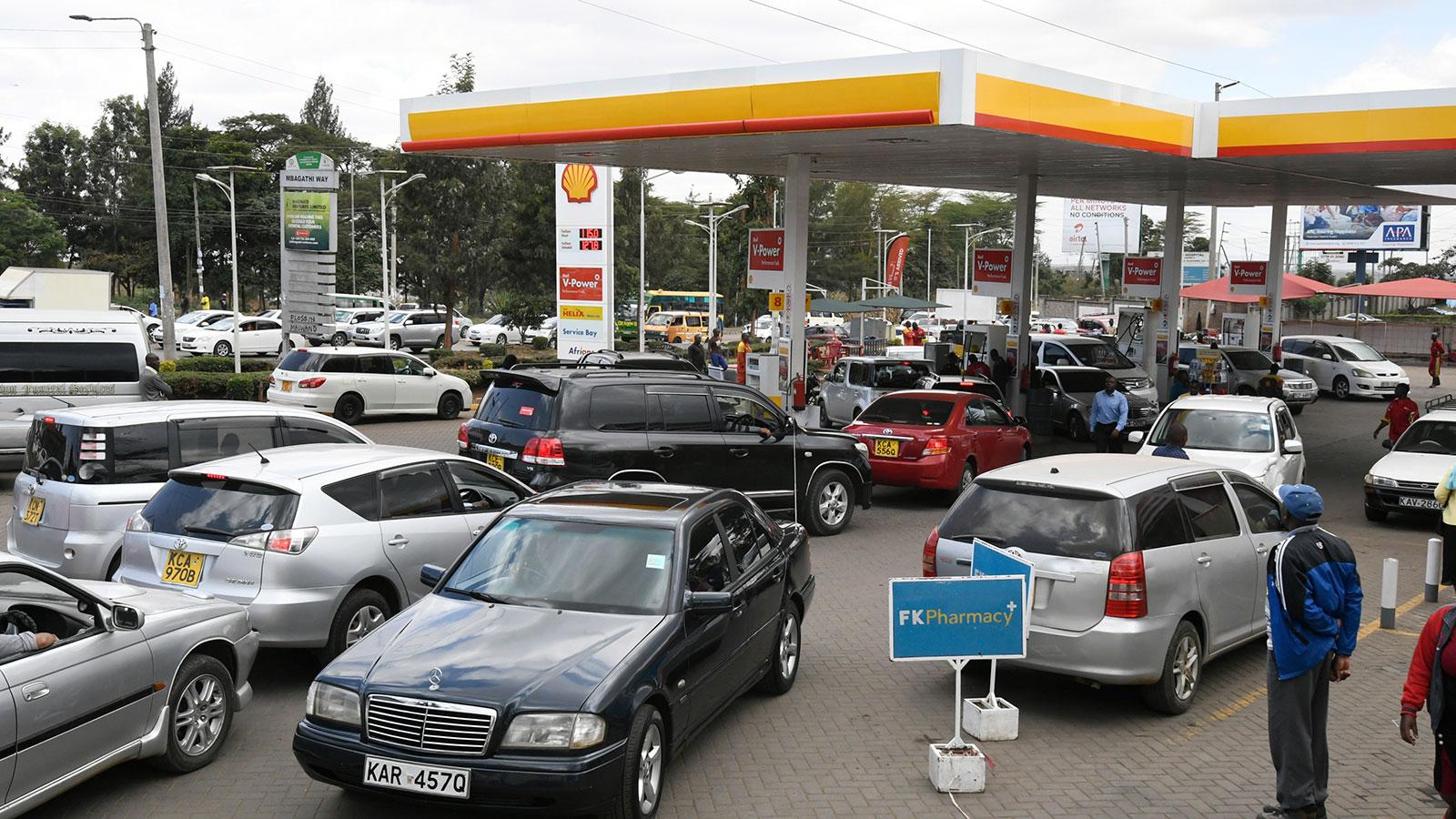

Kenya is increasingly turning to strategic fuel and trade policies to cushion its economy from global shocks, stabilize domestic prices, and support long-term growth. Amid rising global oil prices and supply chain disruptions, the government has intensified the use of government-to-government (G2G) fuel agreements to ensure consistent supply and reduce volatility in the local market.The G2G fuel deal framework allows Kenya to import petroleum products directly through negotiated bilateral agreements rather than relying solely on open market purchases. This approach helps smooth out price fluctuations caused by international oil market instability and foreign exchange pressures. By securing fuel on more predictable terms, the government is able to moderate pump price increases, which in turn eases the cost burden on consumers and businesses. Given that fuel costs significantly influence transportation, manufacturing, and food prices, this intervention plays a critical role in controlling inflation.
At the same time, Kenya is pursuing an export-led growth strategy, with a renewed focus on strengthening trade ties with China. As one of Kenya’s largest trading partners, China presents a significant opportunity for expanding market access for Kenyan goods, particularly agricultural products, tea, coffee, and minerals. Ongoing negotiations around trade facilitation and tariff reductions are expected to enhance the competitiveness of Kenyan exports in the Chinese market. This dual approach—stabilizing imports while boosting exports—is designed to improve Kenya’s balance of trade and support the stability of the Kenyan shilling. Increased export earnings can help offset the high cost of imports, particularly fuel, thereby reducing pressure on foreign exchange reserves. Additionally, stronger trade flows are likely to stimulate local industries, create jobs, and attract further investment into key sectors of the economy.
However, these measures are not without challenges. Kenya must ensure that export growth is supported by adequate production capacity, quality standards, and efficient logistics. Similarly, the sustainability of fuel subsidies or controlled pricing mechanisms under G2G arrangements will depend on global oil price trends and fiscal discipline. Overall, Kenya’s fuel and trade measures reflect a proactive policy direction aimed at navigating a complex global economic environment. By securing energy supplies and expanding international trade opportunities, the country is positioning itself to maintain economic stability while laying the groundwork for future growth.