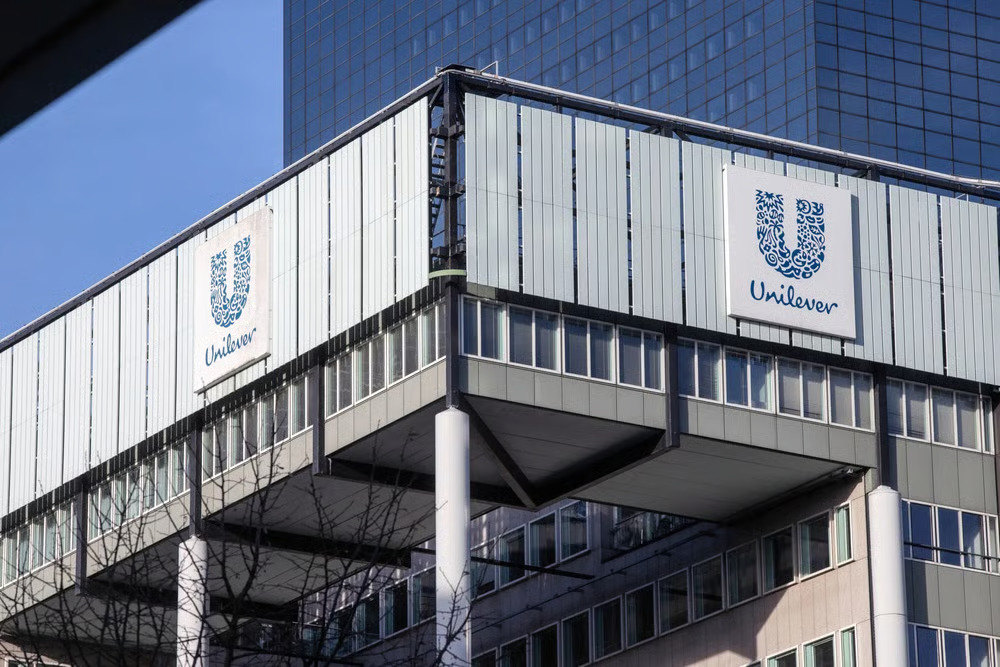
Shares of Unilever declined after the company signaled plans to separate its food business, triggering concern among investors about the strategic direction and potential risks tied to the move. The market reaction reflects uncertainty over whether the proposed spin-off will genuinely unlock shareholder value or instead weaken one of the company’s most stable revenue streams.The food division, which includes globally recognized consumer brands, has long been considered a cornerstone of Unilever’s portfolio due to its consistent performance and resilience during economic downturns. Unlike more trend-sensitive segments such as beauty and personal care, food products tend to generate steady demand regardless of market conditions. This reliability has historically helped cushion the company against volatility, making the prospect of a separation particularly concerning for investors who value predictable earnings.
Unilever’s leadership has framed the potential spin-off as part of a broader effort to simplify the business and sharpen its focus on higher-growth, higher-margin categories. By concentrating on segments like personal care, health, and beauty, the company aims to position itself for faster growth and improved profitability. However, investors are questioning whether this shift could come at the cost of reduced diversification, leaving the company more exposed to shifts in consumer preferences and economic cycles.Concerns have also emerged around the execution risks associated with such a large-scale restructuring. Spinning off a major division involves complex financial, operational, and regulatory processes, all of which can create uncertainty in the short to medium term. Investors are particularly focused on how the separation will be structured, the costs involved, and how both the remaining business and the newly independent food entity will perform once they begin operating separately.
Another key issue is the lack of detailed guidance on the expected benefits of the move. While spin-offs can sometimes unlock hidden value by allowing each business to operate independently and pursue its own strategy, they can also lead to inefficiencies if synergies between divisions are lost. In Unilever’s case, the food division has historically complemented other segments within the company, contributing to overall stability and scale. Its removal could alter the company’s risk profile in ways that are not yet fully understood.The drop in Unilever’s share price underscores a broader trend in global markets, where investors are increasingly cautious about corporate restructuring initiatives. While there is often pressure on companies to streamline operations and focus on high-growth areas, shareholders are equally concerned about maintaining balance, resilience, and long-term value creation.
Ultimately, Unilever’s proposed food business spin-off represents a significant strategic shift that has yet to win full investor confidence. Moving forward, the company’s ability to clearly communicate its rationale, address concerns around risk and execution, and demonstrate how the restructuring will enhance shareholder value will be critical in shaping market sentiment.