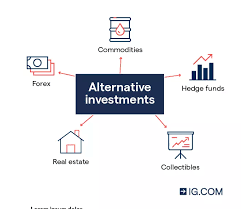
For a long time, Africa’s investment landscape was dominated by traditional asset classes; listed equities, government bonds, and real estate. However, a notable transformation is underway, investors are increasingly turning to alternative investments like private equity, venture capital, impact funds, and infrastructure projects. This shift reflects not just a thirst for higher returns, but also growing confidence in the continent’s long-term growth story.
One powerful example is Africa50, a pan-African infrastructure investment platform backed by the African Development Bank. The African Development Bank recently approved a USD 20.0 mn commitment to Africa50’s Infrastructure Acceleration Fund I, which is targeting power, transport, digital, and social infrastructure across Africa. This fund is mobilizing private capital to address the continent’s infrastructure gap.


In the energy space, CrossBoundary Energy, a Nairobi-based investment firm, has raised tens of millions to develop solar mini-grids and battery-storage projects across Africa. By financing clean energy for industrial and commercial users, the firm illustrates how alternative capital can support sustainable infrastructure while creating long-term value.
The appeal of impact investing is also growing sharply. In 2025, investors poured capital into firms like BURN, a Kenyan social enterprise manufacturing clean cookstoves, securing over USD 80.0 mn to scale their pay-as-you-go model. Such investments deliver both financial returns and measurable social outcomes; energy access, lower emissions, and health benefits for communities.
Venture capital is riding an equally strong wave. Africa’s start-up ecosystem, particularly in payments, agritech, and mobility, is attracting global capital. For instance, Spiro, an e-mobility company operating in Kenya, Nigeria, Rwanda, and Uganda, recently raised USD 100.0 mn to expand its electric motorbike production and battery swapping network. This kind of capital deployment doesn’t just target profit, it also strengthens local manufacturing and green mobility infrastructure.
Diversification is another key benefit of alternatives. Many African equity markets can be volatile or shallow. By investing in private equity or infrastructure projects, investors access long-duration, inflation-hedged cash flows. According to African private capital research, between 2012 and 2023, roughly USD 47.3 bn flowed into infrastructure via private capital across 847.0 deals, with solar energy dominating sustainable infrastructure investments. Still, alternative investments come with trade-offs. They often demand larger capital, offer limited liquidity, and require deep due diligence. But with Africa’s increasing regulatory sophistication and blended finance models that combine concessional capital, guarantees, and grants these challenges are gradually becoming more manageable.
Africa’s demographic dynamisms urbanization, and pressing infrastructure needs make it a fertile ground for alternatives. Whether through private equity backing clean-tech start-ups, impact funds driving social change, or infrastructure financing closing critical gaps, alternative investments are emerging as both a financial and developmental force. As markets mature and investor frameworks evolve, these instruments are becoming central to Africa’s investment story.
Start building a stable path for your future through consistent saving and smart investing with the Cytonn Money Market Fund, offering a competitive rate designed to support your goals.
📞 Call +254 (0) 709 101 200 or 📧 email sales@cytonn.com to begin your journey toward financial clarity and confidence.