

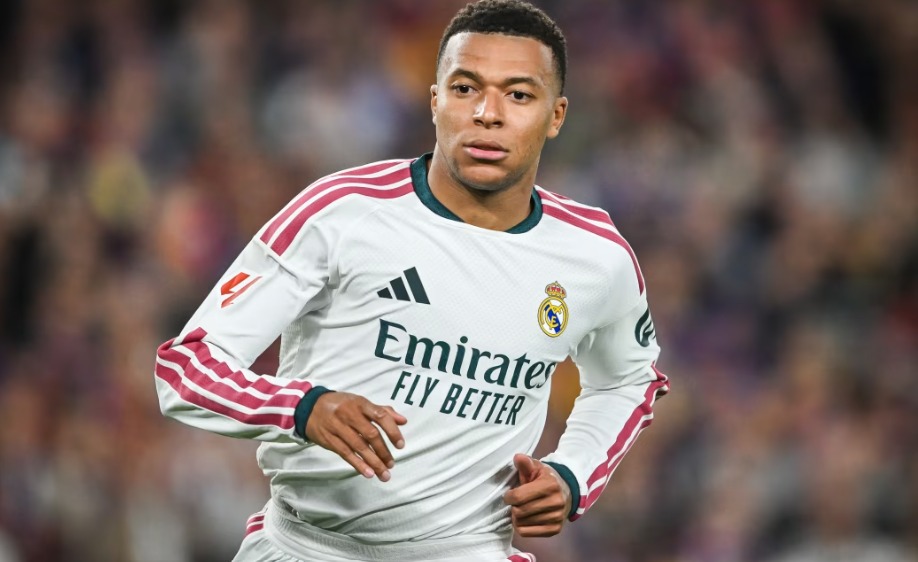
French football star Kylian Mbappé is facing growing international backlash after comments about former Chinese leader Mao Zedong sparked outrage among Chinese fans, prompting major brands to terminate their commercial relationships with the Real Madrid forward. The controversy has also drawn apologies from Real Madrid and Spain’s LaLiga, raising questions about the commercial risks global athletes face when their public remarks clash with cultural and political sensitivities in major markets.
The controversy began after a video from an interview with French football podcast The Bridge circulated online. In the clip, Mbappé discussed internet memes featuring his face superimposed on images of political and military leaders. He described one of the memes as particularly funny, referring to the person depicted as a Chinese dictator. Although he did not mention Mao Zedong by name, the image appeared to reference the former Chinese leader, who founded the People’s Republic of China in 1949 and ruled until his death in 1976.
The remarks triggered criticism in China, where jokes and satire involving Mao remain highly sensitive. Chinese social media users condemned the comments, with some calling for Mbappé to be blacklisted. His popularity in the country, where he has millions of followers, also came under pressure as the controversy spread across online platforms.
The backlash quickly moved into the commercial space. Chinese dairy producer Mengniu, Shanghai Milk ground Food Tech and beverage company Eastroc Beverage announced that they were ending their cooperation with the footballer, effective immediately. The companies said they had zero tolerance for words or actions that hurt the feelings of the Chinese people. The decisions represent a significant commercial setback for Mbappé, who has built an international endorsement portfolio extending beyond football.


The controversy also affected the visibility of Spanish football in China. Reports indicated that Chinese state television had halted broadcasts of LaLiga matches and events involving Mbappé, while advertisements featuring the player were removed. LaLiga president Javier Tebas apologised to Chinese audiences, saying the organisation regretted the offence caused and was working with its partners to address the situation.
Mbappé subsequently issued an apology on October 27, describing his comment as ill-judged and acknowledging that it had hurt people in China and Chinese communities around the world. He explained that he had been reacting to an image of himself and said offending the Chinese people had never been his intention. He also expressed respect for China’s history and culture.
Real Madrid followed with its own apology on October 28, expressing regret over the discomfort caused by the player’s remarks and reaffirming the club’s respect for China, its culture and its supporters. The response reflects the wider commercial implications of the incident, particularly for football clubs that rely on international audiences, broadcasting agreements and sponsorship partnerships.
The French Football Federation president Philippe Diallo has also defended Mbappé, saying the player had explained the context of his remarks and apologised, and should be allowed to move on.
The incident comes at a time when Mbappé remains one of football’s most commercially influential figures. It demonstrates that an athlete’s global reputation is shaped not only by performances on the pitch but also by public conduct, cultural awareness and relationships with international audiences. For brands investing in sports personalities, the controversy highlights the reputational risks attached to celebrity endorsements, particularly in markets where cultural and political sensitivities carry significant commercial weight.
While Mbappé has apologised, the longer-term impact on his relationship with Chinese fans and commercial partners remains to be seen. The episode is a reminder that in an increasingly globalised sports industry, a seemingly casual remark can extend far beyond the interview room and affect an athlete’s commercial value, a club’s international relationships and the business of football itself.