Sharp Daily
No Result
View All Result
Tuesday, August 25, 2026
  • Home
  • News
    • Politics
  • Business
    • Banking
  • Investments
  • Technology
  • Startups
  • Real Estate
  • Features
  • Appointments
  • About Us
    • Meet The Team
Sharp Daily
  • Home
  • News
    • Politics
  • Business
    • Banking
  • Investments
  • Technology
  • Startups
  • Real Estate
  • Features
  • Appointments
  • About Us
    • Meet The Team
No Result
View All Result
Sharp Daily
No Result
View All Result
Home Economy

Understanding Kenya’s treasury bonds and bills

Marcielyne Wanja by Marcielyne Wanja
November 14, 2025
in Economy
Reading Time: 2 mins read

Kenya’s Treasury Bonds and Bills are among the most trusted and accessible investment options offered by the government. They play a crucial role in financing national development while giving investors an opportunity to earn stable returns with relatively low risk. For individuals seeking secure investment instruments, understanding how these securities work is essential in making informed financial decisions.

Treasury Bills, commonly known as T-Bills, are short-term government securities issued for periods of 91, 182, or 364 days. They are sold at a discount, meaning an investor pays less than the face value and receives the full amount at maturity. The difference between the purchase price and the maturity value becomes the investor’s return. Because of their short duration, T-Bills are often used by investors looking for safe, quick-turnover investments or a place to park funds temporarily without tying them up for too long.

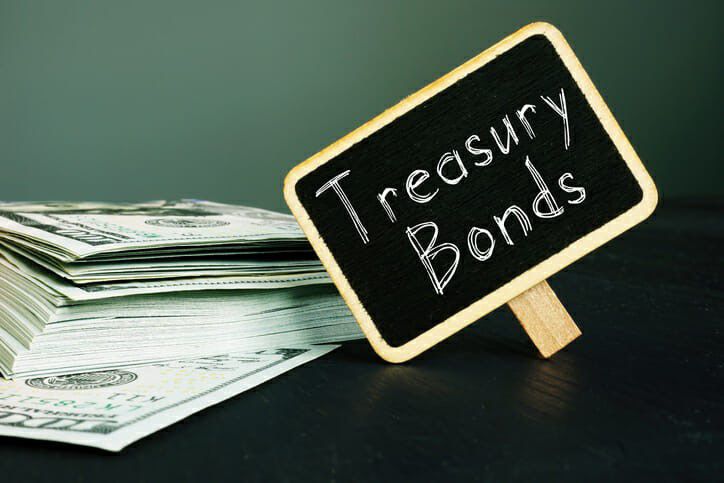
Treasury Bonds, on the other hand, are long-term securities with maturities ranging from two to thirty years. They provide semi-annual interest payments, offering predictable cash flow over an extended period. Treasury Bonds are particularly attractive to investors who prefer stable returns while preserving capital. These bonds also support national development initiatives such as infrastructure, energy, and education, making them a vital part of Kenya’s economic growth.

Both T-Bills and T-Bonds share one main advantage: they are backed by the Government of Kenya, which significantly reduces default risk. Investors often choose them for diversification, capital preservation, and consistent income. They can also be used as collateral for bank loans, adding to their utility as part of a broader financial strategy.


RELATEDPOSTS

Kenya’s High Court clears gambling regulator to collect new 2026 licensing fees amid ongoing legal battle

August 25, 2026

Kenya’s KSh203B Illicit Alcohol Trade; Tax and Health Costs

August 25, 2026

Despite their benefits, these instruments may not suit everyone. Longer-term bonds tie funds for years, and interest rate changes can affect the value of existing bonds in the secondary market. Additionally, the application process through the Central Bank may feel complex for beginners, especially those unfamiliar with investment procedures. However, with the right guidance, they remain an important part of a well-balanced investment portfolio.

In an economy where stability and security matter, Treasury Bonds and Bills continue to stand out as reliable choices for both experienced and new investors. They offer a blend of safety, predictable returns, and national impact, making them a cornerstone of Kenya’s financial landscape.


✅ CTA:

If you’re planning your investment journey but still want flexibility and steady growth, consider starting with the Cytonn Money Market Fund — an accessible way to grow your savings while you explore other long-term investment options like Treasury Bonds and Bills.
📞 Call +254 (0) 709 101 200 or 📧 email sales@cytonn.com to get started today.


Previous Post

Cytonn Umbrella Retirement Benefits Scheme (CURBS)

Next Post

Co-operative bank Q3’2025 financial results

Marcielyne Wanja

Marcielyne Wanja

Related Posts

Economy

How dirty money fears are disrupting Kenya’s digital payment lifeline

August 21, 2026
Analysis

Why Kenya’s capital gains tax collections just hit a record Sh26.8 billion

August 20, 2026
Analysis

Kenya’s Sh1 trillion trade deficit: Why the import bill is becoming a bigger problem

August 18, 2026
John Mbadi, Kenya's treasury secretary, during an interview in Nairobi, Kenya, on Wednesday, Aug. 20, 2025. Kenya is in talks with China to convert dollar-denominated debt the East African nation owes its biggest bilateral lender to yuan and extend the repayment period, Mbadi said. Photographer: Kang-Chun Cheng/Bloomberg via Getty Images
Analysis

Treasury’s Sh78.6 billion tax cut: relief or more government borrowing?

August 17, 2026
Analysis

Kenya’s IMF Return: What a new program means for the economy

August 14, 2026
Analysis

CBK’s M-Pesa fraud case setback raises bigger questions on consumer protection

August 13, 2026

LATEST STORIES

Kenya’s High Court clears gambling regulator to collect new 2026 licensing fees amid ongoing legal battle

August 25, 2026

Kenya’s KSh203B Illicit Alcohol Trade; Tax and Health Costs

August 25, 2026

Nvidia plans more than 15% price increase on some AI servers as memory costs rise

August 24, 2026

The investment case for infrastructure as a long-term asset class

August 24, 2026

How dirty money fears are disrupting Kenya’s digital payment lifeline

August 21, 2026

Amaco AI Data Centre to Transform Mombasa’s Digital Infrastructure

August 21, 2026

Absa Asset Financing Expands with Simba Corporation Deal

August 21, 2026

MSME Lending in Kenya Surges to Kshs 245.1 Bn

August 21, 2026
  • About Us
  • Meet The Team
  • Careers
  • Privacy Policy
  • Terms and Conditions
Email us: editor@thesharpdaily.com

Sharp Daily © 2024

No Result
View All Result
  • Home
  • News
    • Politics
  • Business
    • Banking
  • Investments
  • Technology
  • Startups
  • Real Estate
  • Features
  • Appointments
  • About Us
    • Meet The Team

Sharp Daily © 2024