Kenya has initiated its first major enforcement action against cryptocurrency activity by freezing an undisclosed number of user accounts on Binance, signaling a shift toward stricter oversight of the fast-growing digital asset sector. The move reflects increasing regulatory pressure to address risks associated with fraud, money laundering, and terrorism financing.
The account restrictions were implemented following a directive from Kenyan authorities, with affected users reporting limited access to their funds, including the inability to convert crypto holdings into cash. The action marks a significant escalation in enforcement since the enactment of the Virtual Asset Service Providers (VASP) Act in October 2025, which formally introduced regulatory oversight for cryptocurrency platforms operating in the country.
Kenya’s decision comes against the backdrop of rapid growth in digital asset adoption. The country ranked fifth globally in cryptocurrency transaction volume in 2025, reflecting increased use of digital currencies for remittances, merchant payments, and cross-border transactions. Globally, Binance reported over 300 million users and processed approximately $34 trillion in trades in 2025, highlighting the scale and systemic importance of such platforms.
Despite this growth, concerns over illicit financial flows have intensified. Cryptocurrencies, due to their decentralized nature and limited reliance on traditional financial intermediaries, have been increasingly associated with attempts to bypass regulatory scrutiny. In Kenya, law enforcement agencies have previously linked crypto transactions to criminal networks. A recent operation flagged 14 suspects connected to terrorism financing, with four arrests, involving transactions valued at approximately $430,000 (Sh55.55 million).


The crackdown aligns with broader international scrutiny of the cryptocurrency ecosystem. Binance has faced regulatory challenges globally, including a $4.3 billion settlement in 2023 with U.S. authorities over anti-money laundering compliance failures. Additional investigations in jurisdictions such as France have reinforced concerns about the effectiveness of internal controls within large exchanges.
Kenya’s regulatory response is also influenced by external pressures. The Financial Action Task Force placed the country on its “grey list” in February 2024, citing gaps in anti-money laundering and counter-terrorism financing frameworks. This designation has implications for cross-border financial transactions, increasing due diligence requirements and potentially affecting investor confidence.
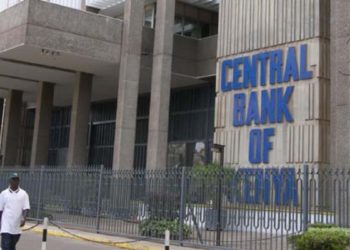
To address these challenges, Kenya has expanded its regulatory architecture. The VASP Act places cryptocurrency firms under the supervision of the Central Bank of Kenya and the Capital Markets Authority, requiring compliance with reporting obligations and cooperation with enforcement agencies such as the Financial Reporting Centre and the Directorate of Criminal Investigations. The government is targeting removal from the FATF grey list by May 2026, making enforcement actions such as account freezes a critical component of compliance efforts.
The immediate impact of the crackdown is likely to be mixed. While it may enhance regulatory credibility and reduce illicit activity risks, it could also disrupt legitimate users and raise concerns about transparency and due process. Over the longer term, stricter oversight may contribute to a more stable and trusted crypto ecosystem, particularly if accompanied by clear regulatory guidelines and consistent enforcement.
In summary, Kenya’s freeze on Binance accounts represents a pivotal moment in the country’s approach to digital assets. The move underscores a broader transition from rapid adoption to regulated growth, as authorities seek to balance innovation with financial system integrity.