Corporate administration is often viewed as the final stop before collapse, a sign that a company’s finances, operations, or strategy have veered dangerously off course. While administration offers a lifeline for struggling businesses, the truth is that many of these crises can be averted long before courts, creditors, or insolvency practitioners get involved. In Kenya’s fast-paced and often unpredictable business environment, early intervention could mean the difference between business survival and complete shutdown. With administration cases on the rise amid rising debt burdens and shifting consumer trends, companies must learn to identify red flags and act decisively before they reach the breaking point.
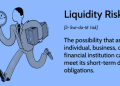
One of the earliest signs of trouble in any business is irregular cash flow. Companies may appear profitable on paper, but persistent liquidity issues such as delays in paying suppliers, signal deeper financial mismanagement. Routine cash flow forecasts, paired with scenario-based stress testing, allow firms to anticipate shortfalls before they become unmanageable. By tracking payment cycles, inventory movements and financial obligations in real time, businesses can make informed decisions such as delaying capital expenditures, renegotiating credit terms and accelerating receivables.
When a company begins to experience financial strain, the instinct is often to go silent. This worsens the situation. Proactive engagement with lenders and creditors is essential. Most financial institutions are willing to explore repayment restructuring, especially if approached early and transparency. By opening lines of communication and sharing realistic turnaround plans, firms can gain breathing room and even preserve relationships, reducing the risk of legal action that might trigger administration proceedings.
Many companies wait too long to adjust their cost base to reflect new market realities. Payroll bloat, underutilized assets, and operational inefficiencies can quietly drain resources over time. A lean operational audit can identify areas where overheads can be reduced, non-core activities outsourced and excess inventory. In the digital age, restructuring doesn’t have to mean mass layoffs. It can include tech adoption, workforce upskilling and the closure of low-performing branches or units.


Weak governance is a recurring factor in corporate distress. Boards that lack financial oversight, independence, or diverse perspectives are more likely to overlook early signs of decline. Instituting a strong internal audit function, regular board-level performance reviews, and independent risk assessments can help companies make better decisions, faster. Risk management should not be reactive, it should be embedded into every layer of corporate strategy, from expansion to procurement to customer engagement.
Many Kenyan businesses spiral into formal insolvency not because of one catastrophic event, but because of delayed decisions and ignored warning signs. By investing in early detection, decisive leadership, and transparent stakeholder engagement, firms can chart a path to recovery before administration becomes inevitable. In an economy where resilience is no longer optional, prevention is the most valuable strategy a business can adopt.