Sharp Daily
No Result
View All Result
Friday, January 9, 2026
  • Home
  • News
    • Politics
  • Business
    • Banking
  • Investments
  • Technology
  • Startups
  • Real Estate
  • Features
  • Appointments
  • About Us
    • Meet The Team
Sharp Daily
  • Home
  • News
    • Politics
  • Business
    • Banking
  • Investments
  • Technology
  • Startups
  • Real Estate
  • Features
  • Appointments
  • About Us
    • Meet The Team
No Result
View All Result
Sharp Daily
No Result
View All Result
Home Business

Privatization of sugar millers sparks debate

Kanana Joy by Kanana Joy
May 15, 2025
in Business, Economy
Reading Time: 2 mins read

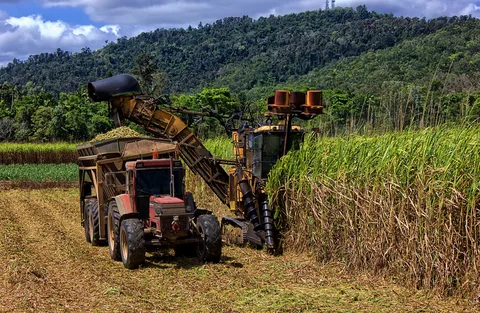
The privatization of Kenya’s sugar millers has ignited a heated debate among stakeholders, with policymakers, farmers, and industry experts weighing in on the impact of transferring these assets to private hands. Treasury Cabinet Secretary Mbadi has defended the move, arguing that privatization will inject efficiency, revive struggling factories, and enhance the competitiveness of Kenya’s sugar sector.

The government has identified four state-owned sugar factories for privatization, citing years of financial mismanagement and inefficiencies that have rendered them unprofitable. Proponents believe that handing these mills over to private investors will lead to modernization, improved production, and better market prices for farmers. They argue that inefficiencies under public management have resulted in delayed payments to farmers, reduced output, and reliance on costly sugar imports.

Opposition to privatization remains strong, particularly among farmers and local leaders who fear the loss of control over a sector that directly impacts their livelihoods. Critics argue that private investors may prioritize profits over farmers’ welfare, leading to reduced cane prices and potential job losses. Some farmers worry that privatization could create monopolistic control, giving private millers the power to dictate terms unfavorable to cane growers.

Beyond farmers, policymakers are divided on whether privatization guarantees economic stability. Some leaders insist that state-owned mills can be revived through better management and investment without resorting to privatization. They advocate for government intervention to support cane farmers and regulate millers to ensure fair competition.


RELATEDPOSTS

Understanding inflation and its impact on everyday life

June 4, 2025

Post-pandemic recovery: Kenya’s financial overview

April 25, 2025

Sugar production has been a backbone of Kenya’s agricultural economy, and the privatization debate touches on broader concerns about food security, farmer welfare, and trade policies. Some experts highlight the need for a balanced approach that merges private investment with strong regulatory frameworks to protect farmers while enhancing efficiency.

As the government moves forward with privatization plans, all stakeholders await clarity on how investor agreements will protect small-scale farmers and ensure competitive market conditions. The coming months will determine whether privatization rejuvenates the sugar sector or further complicates existing challenges for farmers and consumers.


Previous Post

Plan ahead with the Cytonn Umbrella Retirement Benefits Scheme.

Next Post

How higher excise duty affects Kenya’s internet users

Kanana Joy

Kanana Joy

Related Posts

Banking

From Shadow to Structure: What CBK’s Licensing of Digital Lenders Means for Kenya’s Credit Market

January 9, 2026
Analysis

Kenya Faces Sh45 billion blow as Trump withdraws US from 66 global organizations – Impact on Nairobi’s UN hub

January 9, 2026
Analysis

CBK raises sh60.5bn from January long-term bond auctions

January 9, 2026
Analysis

Gathungu flags cabinet secretaries over audit delays

January 8, 2026
Business

Kenya’s private sector closes 2025 strong as PMI signals growth momentum

January 7, 2026
Business

Nvidia unveils Vera Rubin AI chip platform amid rising competition and surging data center demand

January 7, 2026

LATEST STORIES

Self-Insurance by Another Name: The Rise of Investment Based Risk Management

January 9, 2026

The Economics of Working Abroad: Where Opportunity Meets Trade-Offs

January 9, 2026

The Question of Country Risk: Why Perception Matters as Much as Reality

January 9, 2026

How Early Campaign Cycles Shape Business Confidence and Investment Timing

January 9, 2026

From Shadow to Structure: What CBK’s Licensing of Digital Lenders Means for Kenya’s Credit Market

January 9, 2026

Financial literacy as an investment

January 9, 2026

How Equities and Fixed Income Markets Will Shape Pension Scheme Performance in Kenya in 2025

January 9, 2026

Kenya’s Trade Deficit with China Widens to Kes 475.6 Bn

January 9, 2026
  • About Us
  • Meet The Team
  • Careers
  • Privacy Policy
  • Terms and Conditions
Email us: editor@thesharpdaily.com

Sharp Daily © 2024

No Result
View All Result
  • Home
  • News
    • Politics
  • Business
    • Banking
  • Investments
  • Technology
  • Startups
  • Real Estate
  • Features
  • Appointments
  • About Us
    • Meet The Team

Sharp Daily © 2024