Sharp Daily
No Result
View All Result
Saturday, May 16, 2026
  • Home
  • News
    • Politics
  • Business
    • Banking
  • Investments
  • Technology
  • Startups
  • Real Estate
  • Features
  • Appointments
  • About Us
    • Meet The Team
Sharp Daily
  • Home
  • News
    • Politics
  • Business
    • Banking
  • Investments
  • Technology
  • Startups
  • Real Estate
  • Features
  • Appointments
  • About Us
    • Meet The Team
No Result
View All Result
Sharp Daily
No Result
View All Result
Home Business

Privatization of sugar millers sparks debate

Kanana Joy by Kanana Joy
May 15, 2025
in Business, Economy
Reading Time: 2 mins read

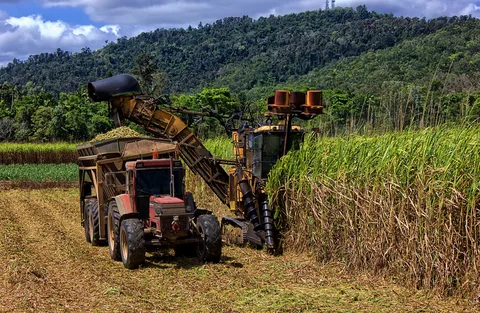
The privatization of Kenya’s sugar millers has ignited a heated debate among stakeholders, with policymakers, farmers, and industry experts weighing in on the impact of transferring these assets to private hands. Treasury Cabinet Secretary Mbadi has defended the move, arguing that privatization will inject efficiency, revive struggling factories, and enhance the competitiveness of Kenya’s sugar sector.

The government has identified four state-owned sugar factories for privatization, citing years of financial mismanagement and inefficiencies that have rendered them unprofitable. Proponents believe that handing these mills over to private investors will lead to modernization, improved production, and better market prices for farmers. They argue that inefficiencies under public management have resulted in delayed payments to farmers, reduced output, and reliance on costly sugar imports.

Opposition to privatization remains strong, particularly among farmers and local leaders who fear the loss of control over a sector that directly impacts their livelihoods. Critics argue that private investors may prioritize profits over farmers’ welfare, leading to reduced cane prices and potential job losses. Some farmers worry that privatization could create monopolistic control, giving private millers the power to dictate terms unfavorable to cane growers.

Beyond farmers, policymakers are divided on whether privatization guarantees economic stability. Some leaders insist that state-owned mills can be revived through better management and investment without resorting to privatization. They advocate for government intervention to support cane farmers and regulate millers to ensure fair competition.


RELATEDPOSTS

National assembly approves infrastructure fund to mobilize ksh 5 trillion

March 6, 2026

Mobile money agents’ cash transfers drop by Sh430 billion amid shift to digital payments

January 15, 2026

Sugar production has been a backbone of Kenya’s agricultural economy, and the privatization debate touches on broader concerns about food security, farmer welfare, and trade policies. Some experts highlight the need for a balanced approach that merges private investment with strong regulatory frameworks to protect farmers while enhancing efficiency.

As the government moves forward with privatization plans, all stakeholders await clarity on how investor agreements will protect small-scale farmers and ensure competitive market conditions. The coming months will determine whether privatization rejuvenates the sugar sector or further complicates existing challenges for farmers and consumers.


Previous Post

Plan ahead with the Cytonn Umbrella Retirement Benefits Scheme.

Next Post

How higher excise duty affects Kenya’s internet users

Kanana Joy

Kanana Joy

Related Posts

Analysis

Co-op bank Q1 profit rises on digital growth

May 15, 2026
Business

MeTL Group plans Sh6.5 Billion Mombasa plant to challenge Coca Cola and Pepsi in Kenya

May 14, 2026
Economy

Treasury’s proposed VAT on digital payment platforms signals new pressure on Kenya’s cashless economy

May 14, 2026
Business

Kenya Airways and Rubis Energy sign deal to build Africa’s first sustainable aviation fuel refinery in Nairobi

May 13, 2026
Business

EPRA ends kenya power monopoly in major energy sector shift

May 13, 2026
Business

84,000 small investors buy NSE shares through M-Pesa’s Ziidi Trader in just two months

May 11, 2026

LATEST STORIES

Safaricom’s fuel strategy highlights growing energy risks facing Africa’s digital economy

May 15, 2026

Member Engagement and Financial Literacy in Retirement Planning

May 15, 2026

Why fuel prices in Africa stay high when oil prices fall — and who Mercy Corps is holding responsible

May 15, 2026

Hantavirus on a luxury cruise ship: what we know, what we don’t, and why the WHO says stay calm

May 15, 2026

How Government Borrowing Influences Market Interest Rate

May 15, 2026

Role of customer experience in business growth

May 15, 2026

When to exit an investment

May 15, 2026

EPRA’s Direct Electricity Trading Reforms Signal a Structural Shift in Kenya’s Power Sector

May 15, 2026
  • About Us
  • Meet The Team
  • Careers
  • Privacy Policy
  • Terms and Conditions
Email us: editor@thesharpdaily.com

Sharp Daily © 2024

No Result
View All Result
  • Home
  • News
    • Politics
  • Business
    • Banking
  • Investments
  • Technology
  • Startups
  • Real Estate
  • Features
  • Appointments
  • About Us
    • Meet The Team

Sharp Daily © 2024