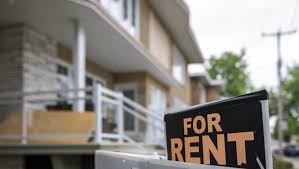
Finding and retaining tenants is one of the most important aspects of property investment. Rental income is often the primary source of returns for landlords, making occupancy levels critical to financial performance. However, many landlords face challenges in attracting tenants, particularly in competitive or changing property markets. These difficulties are usually influenced by a combination of economic conditions, property-related factors, and shifting tenant preferences.
One of the most common reasons landlords struggle to find tenants is oversupply in the market. In areas where many similar residential units are developed within a short period, competition among landlords increases significantly. When supply exceeds demand, tenants have more options to choose from, forcing landlords to compete on pricing, amenities, and service quality. This situation is especially common in rapidly developing urban areas.
Rental pricing also plays a major role. Some landlords set rents based on expected returns rather than actual market demand. If rental rates are significantly higher than comparable properties in the same location, potential tenants may choose more affordable alternatives. In difficult economic conditions, affordability becomes even more important, leading many tenants to prioritize cost over premium features.
Location remains another critical factor. Properties located far from employment centers, transport networks, schools, or essential services may experience lower demand. Even well-designed buildings can struggle with occupancy if accessibility and convenience are limited. Changes in urban development patterns and infrastructure can also affect the attractiveness of certain locations over time.


Property condition and maintenance standards can also influence tenant decisions. Poorly maintained units, outdated finishes, unreliable utilities, or unresolved repair issues often discourage prospective tenants. In competitive markets, tenants are increasingly selective and may prioritize properties that offer modern features, security, and a well-maintained environment.
Changing tenant preferences have further reshaped the rental market. Many tenants now seek flexible living arrangements, digital connectivity, energy efficiency, and lifestyle-oriented amenities. Properties that fail to adapt to evolving expectations may become less attractive, particularly among younger renters and professionals. The rise of remote work has also influenced location and housing preferences, with some tenants favoring affordability and larger living spaces over proximity to central business districts.
Economic conditions can also reduce tenant demand. High inflation, unemployment, or reduced disposable income can limit the ability of individuals and families to afford rent. During economic slowdowns, some tenants may move to lower-cost housing, share accommodation, or delay relocating altogether. This can increase vacancy periods for landlords.
Marketing and tenant engagement are additional factors that affect occupancy. Some landlords rely solely on traditional advertising methods and may not effectively reach potential tenants. In today’s digital environment, online listings, quality property images, and responsive communication are increasingly important in attracting renters. Poor tenant service or delayed responses can also discourage prospective occupants.
In some cases, landlords may face challenges due to restrictive lease terms or unrealistic requirements. Excessively high deposits, inflexible agreements, or strict conditions can reduce the pool of interested tenants, especially in markets where renters have multiple options available.
Despite these challenges, landlords can improve occupancy rates by aligning rental pricing with market conditions, maintaining property standards, and understanding tenant needs. Investing in property upgrades, improving customer service, and adopting flexible leasing approaches can make properties more competitive in changing markets.
In conclusion, landlords may struggle to find tenants due to oversupply, pricing issues, economic pressures, location disadvantages, and changing tenant expectations. As rental markets continue to evolve, landlords who adapt to market trends and prioritize tenant experience are generally better positioned to maintain occupancy and long-term rental income.