Sharp Daily
No Result
View All Result
Tuesday, May 19, 2026
  • Home
  • News
    • Politics
  • Business
    • Banking
  • Investments
  • Technology
  • Startups
  • Real Estate
  • Features
  • Appointments
  • About Us
    • Meet The Team
Sharp Daily
  • Home
  • News
    • Politics
  • Business
    • Banking
  • Investments
  • Technology
  • Startups
  • Real Estate
  • Features
  • Appointments
  • About Us
    • Meet The Team
No Result
View All Result
Sharp Daily
No Result
View All Result
Home Opinion

Why Kenya must rebuild it’s textile legacy

Brian Otieno by Brian Otieno
May 14, 2025
in Opinion
Reading Time: 2 mins read

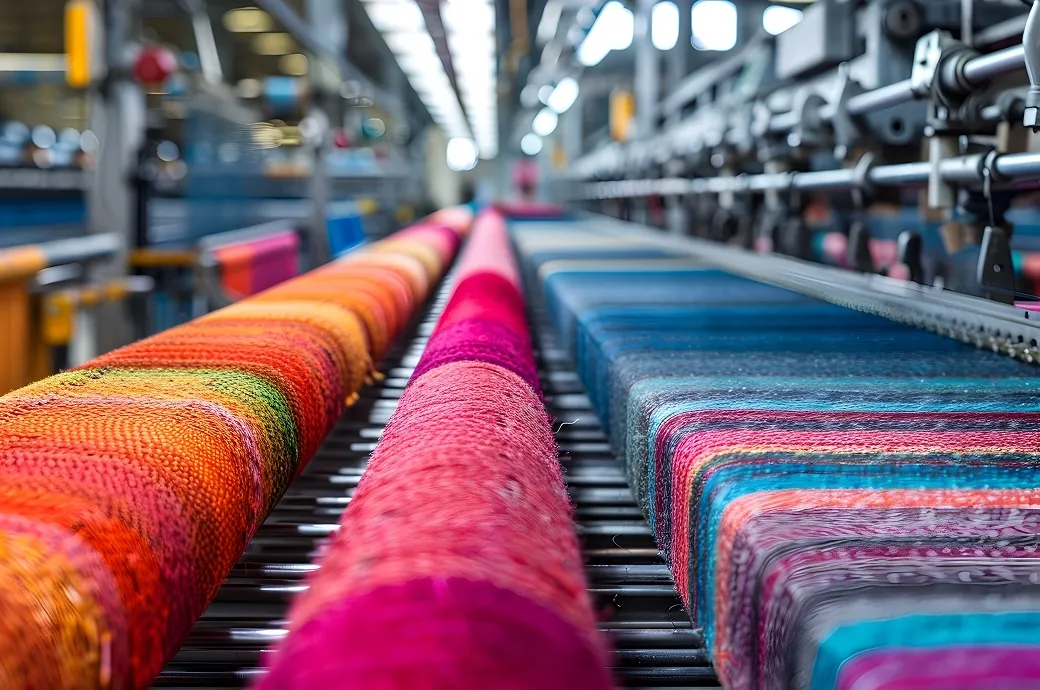
With a struggling economy and high unemployment rates in the country, Kenya must urgently rebuild its manufacturing industry. The textile sector is an area we can focus on to drive economic growth, create jobs, and reduce reliance on imported second-hand clothing, which continues to undermine local production. Historically, the textile sector was a powerhouse, employing 30.0% of the manufacturing workforce in the 1980s, but by 2025, it will operate way below its capacity, according to the Kenya National Bureau of Statistics. The influx of mitumba imports, valued at KES 40.2 billion in 2024, has completely crippled domestic production in Kenya. Reviving this sector could create numerous direct jobs and engage millions of Kenyans in cotton farming, boosting rural economies and supporting the government’s Bottom-Up Economic Transformation Agenda as per projections by Statista in 2024.

A revitalized textile industry could boost Kenya’s export potential and help address us address persistent trade deficits in the country. The imbalance which majorly stems from Kenya’s heavy reliance on imported goods, emphasizing the need to strengthen domestic industries like textiles to reverse this trend.

Kenya can fully exploit privileges under the African Growth and Opportunity Act (AGOA) to increase her exports, which can only be possible with an increase in local production as seen in Ethiopia, where textile exports reached USD 1.2 billion in 2022 through industrial parks which were supported by the government. Locally manufactured clothes are often more competitively priced for export markets than mitumba, which faces import huge duties that could be redirected to support domestic industries in Kenya like Rivatex and Kicomi to create jobs locally

Beyond economics, reviving the industry aligns with environmental and social goals. Mitumba imports contribute to textile waste polluting areas like the Nairobi River, unlike in local textile industry where we can adopt sustainable practices, such as organic cotton farming. Government initiatives like the Buy Kenya Build Kenya campaign and tax incentives for local manufacturers can also drive this revival, while investments in factories and training programs can rebuild the skilled workforce, helping Kenya regain its industrial heritage, reduce the current dependence on imports, and build its economic future

RELATEDPOSTS

No Content Available
Previous Post

Structuring private equity deals in Kenya

Next Post

Safaricom forecasts earnings boost as Ethiopian losses shrink

Brian Otieno

Brian Otieno

Related Posts

Economy

How global supply chains feed Kenya’s fake drug market

May 7, 2026
Analysis

Taifa gas eyes kenyan market with major LPG investment

May 6, 2026
Analysis

Safaricom maintains growth momentum as digital services drive earnings

May 5, 2026
Analysis

Kenya’s infrastructure push leans on private investment

April 30, 2026
Economy

How a regional refinery could reshape East Africa’s trade deficit

April 24, 2026
Analysis

Kenya airways narrows losses amid recovery efforts and expansion plans

April 24, 2026

LATEST STORIES

The impact of exchange rate volatility on investment decisions

May 19, 2026

Equity Group Holdings move to extend its footprint across Southern Africa

May 19, 2026

The Spotify “Disco Ball” Branding Stunt

May 18, 2026

Court to decide on Kenya’s Sh204 billion Safaricom stake sale

May 18, 2026

The influence of commodity prices on investment markets

May 18, 2026

Safaricom’s fuel strategy highlights growing energy risks facing Africa’s digital economy

May 15, 2026

Member Engagement and Financial Literacy in Retirement Planning

May 15, 2026

Why fuel prices in Africa stay high when oil prices fall — and who Mercy Corps is holding responsible

May 15, 2026
  • About Us
  • Meet The Team
  • Careers
  • Privacy Policy
  • Terms and Conditions
Email us: editor@thesharpdaily.com

Sharp Daily © 2024

No Result
View All Result
  • Home
  • News
    • Politics
  • Business
    • Banking
  • Investments
  • Technology
  • Startups
  • Real Estate
  • Features
  • Appointments
  • About Us
    • Meet The Team

Sharp Daily © 2024