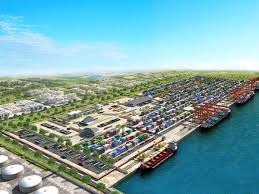
Africa’s industrial real estate sector is undergoing a quiet but powerful transformation, driven by rising demand for manufacturing space, logistics hubs, and export-oriented production facilities. Industrial parks, once an overlooked asset class, are now emerging as some of the most strategically important developments in the region. From Nairobi’s Tatu City Industrial Park to Ethiopia’s Hawassa Industrial Park, investors and governments are recognizing their ability to stimulate industrialization, create jobs, and attract foreign direct investment.
The growth of Africa’s industrial parks is closely tied to the continent’s shifting economic structure. As countries push to reduce reliance on raw commodity exports, manufacturing has become central to long-term growth strategies. Industrial parks offer an organized, serviced environment where manufacturers can operate efficiently, complete with reliable power, water, transport links, and security. These are the advantages many African cities still lack, making industrial parks a practical alternative.


In Kenya, Tatu City Industrial Park has attracted over 75 companies, including Unilever, Dormans Coffee, Copia Global, and Twiga Foods. The park provides ready-to-build plots, warehouses, and logistics infrastructure that save companies time and reduce construction risks. Similarly, the Athi River Export Processing Zone (EPZ) continues to draw apparel manufacturers serving global brands under AGOA. These zones support thousands of jobs and generate significant export revenue.
Across the continent, Ethiopia has built more than a dozen industrial parks, with Hawassa Industrial Park standing out as a flagship textile and garment hub. Rwanda’s Kigali Special Economic Zone has also gained attention for its efficiency and investor-friendly environment. These parks are designed to integrate manufacturing clusters, encourage export-oriented industries, and support technology transfer from global partners.
Several factors are making industrial parks especially attractive to real estate investors. First, demand for warehousing and logistics space is rising, driven by e-commerce, agro-processing, pharmaceutical distribution, and regional trade. Second, industrial parks offer long-term, stable rental income from blue-chip tenants. Third, governments often provide incentives such as tax breaks, duty exemptions, and fast-tracked licensing.
However, challenges remain. Some parks still face unreliable grid power, high development costs, and bureaucratic hurdles. The success of any industrial park depends on strong governance, clear policy frameworks, and partnerships with the private sector.
Industrial parks are quickly becoming one of Africa’s most compelling real estate opportunities. By combining infrastructure, policy incentives, and strategic location, they create environments that accelerate industrialization and attract investment. As demand for manufacturing and logistics space continues to rise, industrial parks will play a central role in shaping Africa’s economic future.