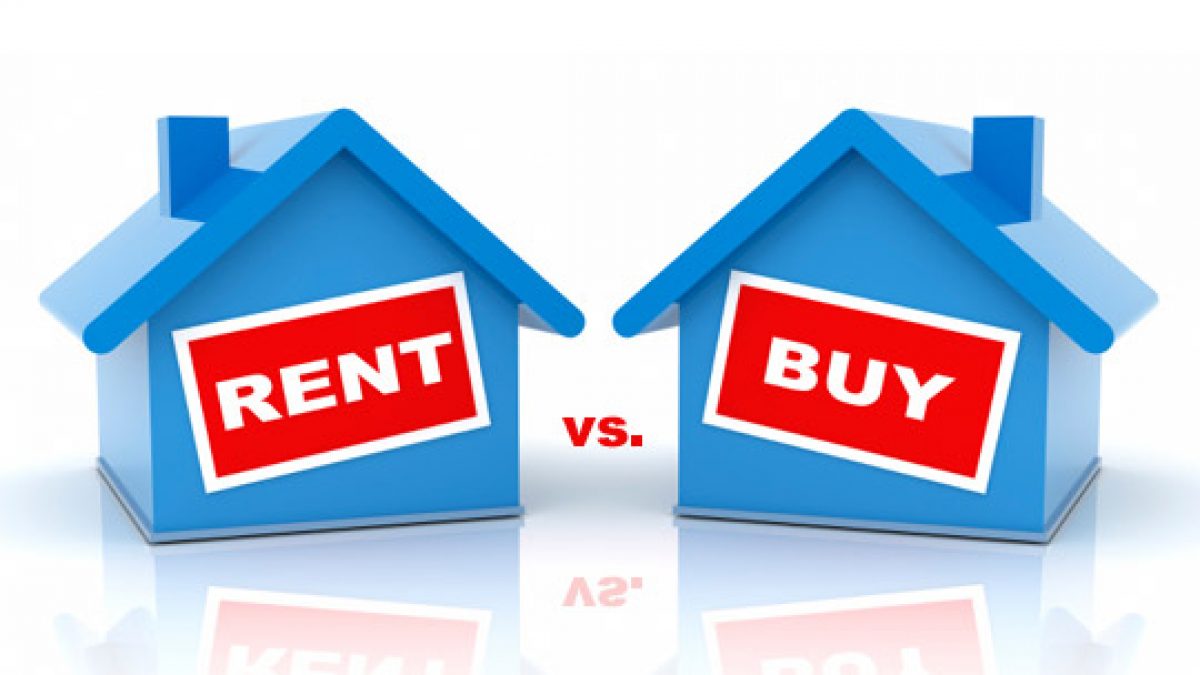
Property decisions are rarely random. Whether individuals choose to buy or rent is shaped by a combination of economic capacity, expectations about the future, and the role housing plays in personal stability. These choices, when observed collectively, influence not only household behavior but also investment strategies within the real estate sector.
Buying property is primarily driven by the desire for permanence. Ownership offers long-term security, insulation from rising rental costs, and the psychological assurance of having a fixed base. Buyers often view property as both shelter and capital, an asset that can store value and generate future returns. This perspective favors locations associated with long-term growth, stable infrastructure, and predictable living conditions. Access to financing also shapes this decision. Mortgage availability, income stability, and expectations of future earnings determine whether ownership appears attainable or prudent. When households are confident about long-term income prospects, buying becomes a calculated financial strategy rather than merely a lifestyle choice.
Renting reflects a preference for mobility and lower commitment. Renters value flexibility, particularly when employment, education, or personal circumstances remain uncertain. Renting transfers maintenance responsibilities and long-term risk to property owners, allowing households to adjust quickly to changing conditions. This option is often attractive in dense urban centers, commercial districts, and areas with high job turnover, where proximity to economic activity outweighs the desire for permanence. These patterns carry direct implications for investors.
Recent market data from the Cytonn Annual Markets Review 2025 shows that housing in the Nairobi Metropolitan Area has delivered measurable price and rental appreciation, underscoring how property decisions play out in real terms. During FY 2025, the average residential property price appreciation was 0.8% year-on-year, up from 0.4% the previous year, driven by increased transactions and demand for housing. At the same time, average rents per square meter increased by 9.7%, resulting in an overall rental yield of 5.9%. This illustrate that ownership can preserve capital value while rentals continue to generate growing income streams in key urban markets like Nairobi.

Beyond economics, social perception plays a role. Ownership is associated with stability and financial progress, while renting reflects adaptability and short-term planning. Neither is superior; both represent rational responses to differing financial positions and life stages. Buying and renting decisions form the structural logic of real estate markets. They guide how neighborhoods evolve, how property is positioned, and how capital is allocated across different segments of the sector. More importantly, they reveal how households interpret risk, time horizons, and financial security, making housing choices a quiet but reliable signal of broader economic behavior.