Kenya launched Vision 2030 with the objective of transforming the country into a globally competitive and prosperous middle-income economy. The development blueprint prioritized infrastructure, human capital, healthcare, agriculture, manufacturing and financial services as key drivers of long-term economic growth. However, financing has remained an important constraint to implementation. Vision 2030 progress reports have identified delayed disbursement of funds, lengthy resource mobilization processes and limited access to adequate financing as challenges affecting the implementation of several flagship projects. Some projects have also experienced delays because they could not secure funding despite having completed feasibility studies.
The scale and duration of Vision 2030 projects require substantial capital commitments. The Government has relied on tax revenues, domestic borrowing, external financing, development partners and Public-Private Partnerships (PPPs) to meet these requirements. Vision 2030 has also recognized the importance of private-sector participation in financing development projects. However, PPP-based projects can face lengthy negotiations, approval processes and resource mobilization challenges. These delays can increase project costs and postpone implementation, reducing the economic benefits expected from infrastructure investment. Vision 2030 progress reports have therefore highlighted the need to strengthen resource mobilization and expand alternative financing mechanisms, including PPPs and infrastructure bonds.
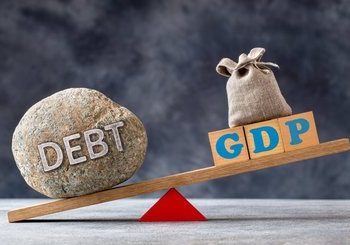
Heavy dependence on borrowing has created another challenge. While debt provides the Government with resources to finance development when tax revenues are insufficient, rising debt-service obligations can reduce fiscal space for new investment. The IMF reported that Kenya’s public debt remained sustainable but at high risk of debt distress. Public debt reached 72% of GDP at the end of the 2022/23 financial year before declining to approximately 66% of GDP at the end of 2023/24. The IMF also identified foreign-exchange risk associated with external debt and high interest costs on domestic debt as key challenges. These pressures can make it more difficult for the Government to allocate sufficient resources to new development projects while meeting existing repayment obligations.
For investors, financing constraints create both risks and opportunities. Infrastructure projects in transport, energy, water and digital connectivity can reduce business costs, improve productivity and stimulate private investment when implemented effectively. However, uncertainty around project financing can affect completion timelines, expected returns and investment decisions. Investors therefore need to assess not only the economic potential of a project but also its funding structure, government commitments, debt exposure and capacity to generate sustainable cash flows.


Kenya is also expanding its financing options to reduce reliance on traditional sources. The 2026 Budget Policy Statement identified sustainability-linked bonds, diaspora bonds, Samurai bonds and Panda bonds among the alternative instruments that the Government could explore. In August 2026, Kenya was considering its first Panda bond, with plans indicating approximately US$300 million from the Chinese domestic bond market. The Government also planned an US$815 million Eurobond and more than US$500 million through Japanese financing, including Samurai bonds. These instruments could broaden Kenya’s investor base and diversify its funding sources, although their ultimate benefit will depend on borrowing costs, maturities, currency exposure and the productive use of the funds.
Financing has therefore played a significant role in determining the pace at which Kenya can implement Vision 2030. The challenge is not simply the availability of capital, but the ability to secure affordable, predictable and sustainable financing while maintaining debt sustainability. For investors, the experience provides an important lesson: the viability of large development projects depends on both their economic potential and the strength of their financing structures. Going forward, Kenya’s progress under Vision 2030 will depend on its ability to mobilize diversified capital, improve project execution and direct financing towards investments that generate long-term economic value.