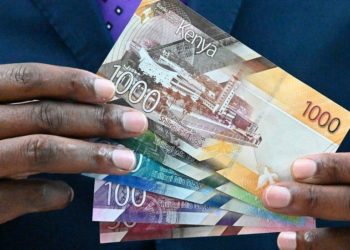
In 2023, the Kenyan shilling depreciated by 26.8% to KES 156.5 on 29th December, 2023 from KES 123.4 on 3rd January, 2023. The YTD appreciation of the Kenyan shilling is 17.7% to KES 129.5 on 18th December, 2024 from KES 157.4 on 1st January, 2024. Considering the Kenyan shilling’s depreciation and volatility over recent years, diversifying your investment portfolio with U.S. dollar (USD)-denominated assets can serve as a strategic hedge against currency risk.
Eurobonds, which are international bonds issued in a currency different from that of the country where they are issued, offer a way to hedge against currency fluctuations. For Kenyan investors, acquiring Eurobonds denominated in USD can provide exposure to stable foreign currency returns, mitigating the impact of the Kenyan Shilling depreciation. Eurobonds often offer attractive yields compared to local Kenyan bonds. These bonds provide stability and are less susceptible to the local economic conditions. However, it’s essential to assess the creditworthiness of the issuer and be aware of potential interest rate risks.
Investing in offshore stocks and exchange-traded funds (ETFs) allows access to international markets and companies with revenues in USD. This strategy offers diversification and also reduces exposure to the Kenyan Shilling fluctuations while enhancing returns. Currency-hedged ETFs, in particular, can neutralize foreign-exchange impacts, lowering volatility of the Kenyan Shilling. USD-denominated ETFs, such as the iShares Currency Hedged MSCI EAFE ETF (HEFA), can be particularly beneficial.
USD-denominated money market funds invest in short-term, high-quality financial instruments, providing liquidity and capital preservation. These funds are relatively low-risk and less volatile and can be an effective way to hedge against currency fluctuations. For example, Cytonn Money Market Fund (CMMF) USD, invests in a broad range of short-term, high-quality US government securities.


Offshore mutual funds, which are investment funds domiciled outside of Kenya, pool capital from investors to invest in diversified portfolios of international securities. These funds can offer exposure to diversified USD-denominated assets and are managed by fund managers. It’s important to review the fund’s investment strategy, fees, and performance history.
While USD-denominated assets can protect against local currency depreciation, they also come with risks, including market volatility and geopolitical factors. In addition, currency-hedged ETFs may incur capital gains taxes due to currency transactions, making tax-advantaged accounts preferable for these investments. Investors should consult with a financial advisor to customize an investment strategy that aligns with your risk tolerance and financial goals. To ensure diversification, combining various asset classes is important to enhance portfolio resilience against currency fluctuations.