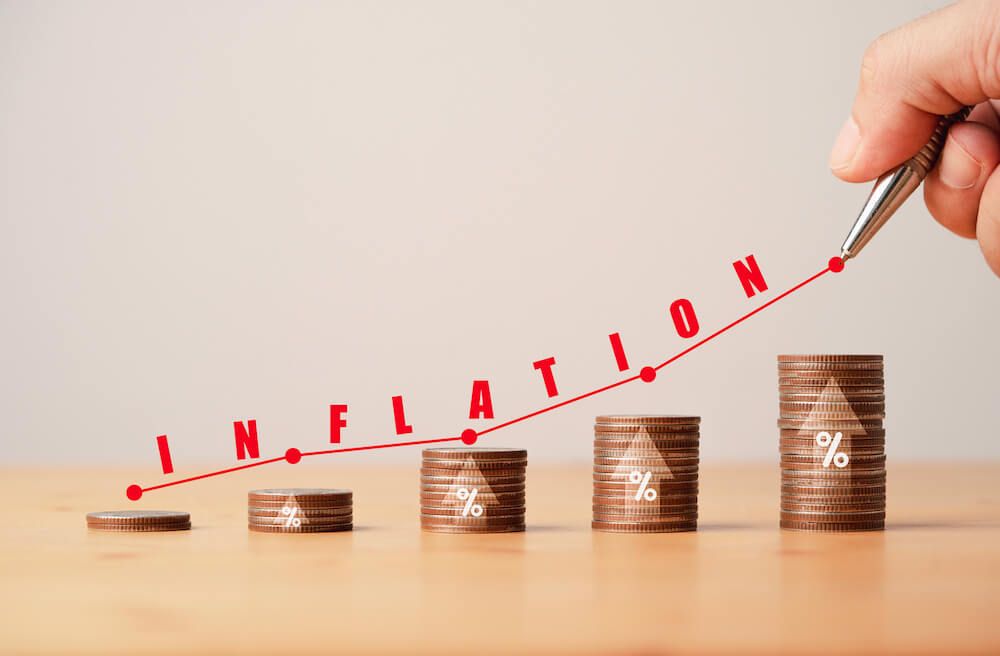
Monetary inflation occurs when there is an excessive increase in the money supply. Central banks, such as the Federal Reserve (U.S.) or the Central Bank of Kenya (CBK), control money supply by adjusting interest rates, open market operations, and reserve requirements. When too much money circulates in an economy without a corresponding increase in goods and services, it leads to currency devaluation and higher prices. For example, when central banks lower interest rates and inject liquidity into financial markets, borrowing becomes cheaper, and consumers and businesses increase spending. If production does not keep up with demand, monetary inflation eventually contributes to price inflation.
The Consumer Perspective
Headline inflation is the broad measure of inflation that includes all goods and services in an economy, typically represented by the Consumer Price Index (CPI). It captures price changes in essential categories such as food, fuel, housing, and transportation. Because headline inflation is highly sensitive to volatile items like food and energy, it fluctuates significantly. For instance, if global oil prices spike due to supply chain disruptions, transport and manufacturing costs increase, pushing up overall inflation. This can occur independently of monetary inflation, meaning that external shocks—such as geopolitical tensions or extreme weather events—can drive inflation even if the money supply remains stable.
The Cost of Goods and Services


Price inflation, often referred to as core inflation, measures the sustained rise in prices of goods and services excluding volatile items like food and fuel. This form of inflation provides a clearer picture of long-term inflationary trends by focusing on stable categories such as healthcare, education, and consumer goods. When monetary inflation is high, price inflation follows because businesses adjust their prices to maintain profitability amid rising costs. Additionally, wage inflation—where salaries rise due to increased demand for labor—further contributes to price inflation, creating a cycle where higher wages lead to increased consumer spending, fueling further price increases.
How They Influence Each Other
- An increase in the money supply fuels consumer demand, outpacing supply and pushing up prices across industries.
- Even if monetary inflation is under control, rising fuel or food prices due to supply chain disruptions can cause a spike in headline inflation.
- Core inflation remains elevated if monetary inflation persists, signaling underlying economic pressures beyond temporary shocks.
- If headline inflation is high but driven by external shocks, central banks may hold off on tightening monetary policy. However, if price inflation continues rising due to sustained monetary inflation, interest rate hikes become necessary to cool down the economy.
Policymakers must strike a delicate balance between stimulating growth and controlling inflation. While expansionary monetary policy can spur economic activity, unchecked money supply growth can erode purchasing power. Conversely, aggressive interest rate hikes can curb inflation but risk stifling economic expansion.
As economies navigate post-pandemic recovery, inflation management remains a top priority for central banks worldwide. Understanding the dynamics of monetary, headline, and price inflation is essential for investors, businesses, and policymakers seeking to maintain economic stability.