Sharp Daily
No Result
View All Result
Wednesday, August 26, 2026
  • Home
  • News
    • Politics
  • Business
    • Banking
  • Investments
  • Technology
  • Startups
  • Real Estate
  • Features
  • Appointments
  • About Us
    • Meet The Team
Sharp Daily
  • Home
  • News
    • Politics
  • Business
    • Banking
  • Investments
  • Technology
  • Startups
  • Real Estate
  • Features
  • Appointments
  • About Us
    • Meet The Team
No Result
View All Result
Sharp Daily
No Result
View All Result
Home Economy

The global economy in 2025

Marcielyne Wanja by Marcielyne Wanja
December 3, 2025
in Economy, World
Reading Time: 3 mins read

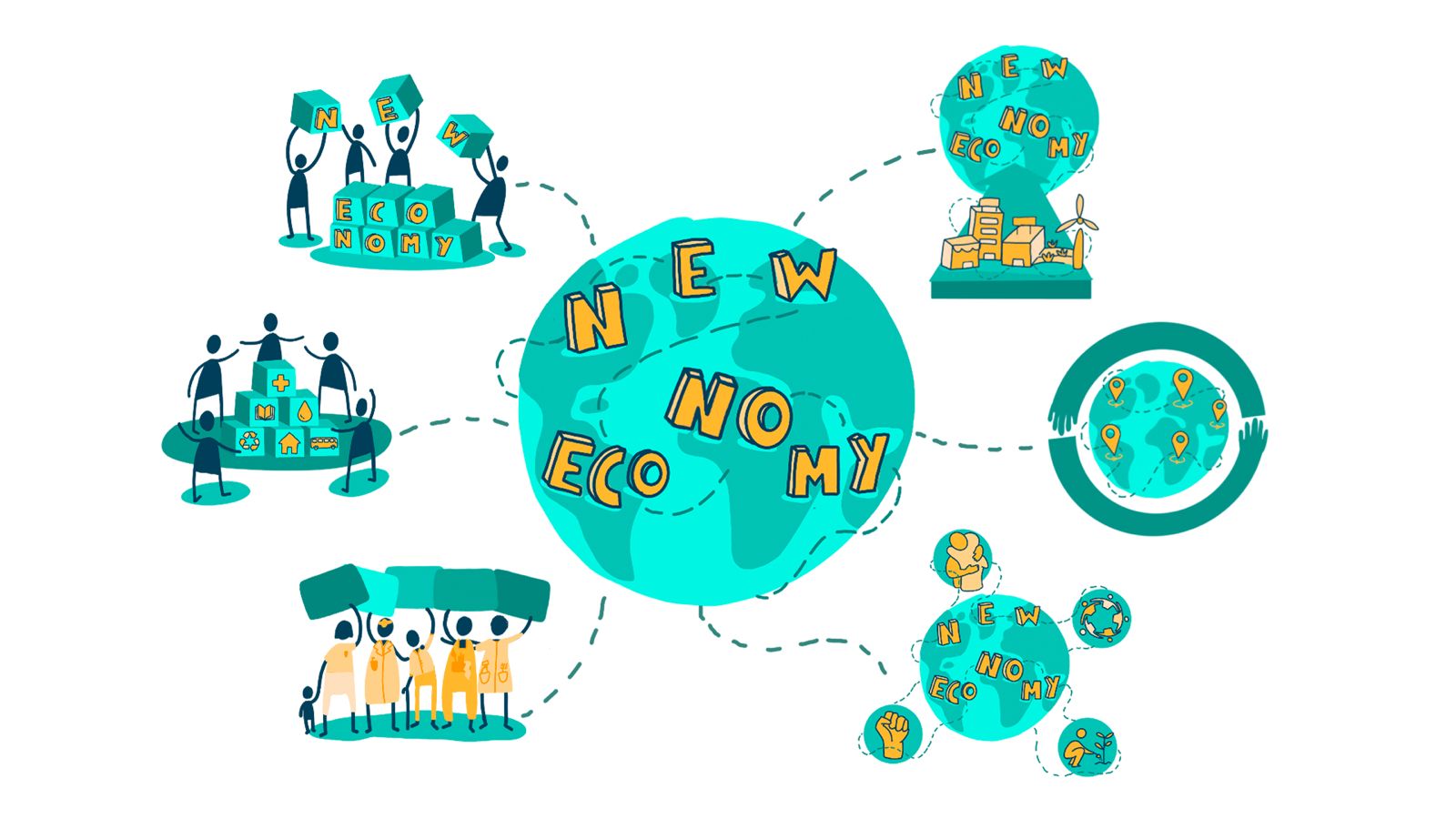
The global economy in 2025 faces a complex mix of cautious optimism and significant headwinds as countries around the world adapt to shifting geopolitical dynamics, lingering inflation pressures, and ongoing challenges in supply chains. Recent forecasts suggest modest growth across major economies, but the path forward remains fragile. Advanced economies continue to recover but are weighed down by high debt levels and rising interest rates while emerging markets confront their own risks, including currency volatility and vulnerability to external shocks.

One driver of hope is the gradual stabilization in commodity prices and improved supply-chain logistics, which have eased some inflationary pressures that gripped many regions in recent years. For countries dependent on exports of raw materials and agricultural produce, this means improved revenue prospects  a trend that may boost demand, consumption, and foreign exchange inflows. Yet despite these improvements, households and businesses in many nations remain cautious. Some central banks have kept borrowing costs elevated to tame inflation, which in turn reduces investment and slows recovery. This creates a delicate balance between growth and stability.

Global debt both public and private continues to be a concern. Many governments accumulated large obligations during pandemic-era stimulus and infrastructure drives. The cost of servicing this debt remains high, squeezing budgets for development and social services. For investors and savers, such macroeconomic uncertainty underscores the value of stable, low-risk investment options that preserve capital while offering liquidity.

At the same time, renewed interest in sustainable and responsible investment has grown. Environmental, social, and governance (ESG) criteria are influencing capital flows, with investors looking for companies and funds that balance financial returns with long-term resilience. In a world marked by frequent shocks—whether economic, climatic, or geopolitical investors seem to favor transparency and predictability over high-risk, high-return assets.


RELATEDPOSTS

Kenya’s High Court clears gambling regulator to collect new 2026 licensing fees amid ongoing legal battle

August 25, 2026

Kenya’s KSh203B Illicit Alcohol Trade; Tax and Health Costs

August 25, 2026

For individuals and families navigating this uncertain global landscape, stability and reliability in savings or investment choices have never been more important. With growth prospects uneven and volatility still present, placing funds in instruments that offer liquidity and consistent returns can provide a buffer against external shocks.

As global uncertainty persists, safeguarding your savings is key. Consider investing with the Cytonn Money Market Fund (CMMF) a dependable, transparent, and liquid option designed to help you protect and grow your capital even in turbulent economic times.
📞 Call +254 (0) 709 101 200 or 📧 email sales@cytonn.com to learn how you can position your savings for resilience and steady growth.


Previous Post

USD exchange rates in east africa

Next Post

Life Cover Embedded in Retirement Benefits Schemes in Kenya

Marcielyne Wanja

Marcielyne Wanja

Related Posts

Economy

How dirty money fears are disrupting Kenya’s digital payment lifeline

August 21, 2026
Analysis

Why Kenya’s capital gains tax collections just hit a record Sh26.8 billion

August 20, 2026
Analysis

Kenya’s Sh1 trillion trade deficit: Why the import bill is becoming a bigger problem

August 18, 2026
John Mbadi, Kenya's treasury secretary, during an interview in Nairobi, Kenya, on Wednesday, Aug. 20, 2025. Kenya is in talks with China to convert dollar-denominated debt the East African nation owes its biggest bilateral lender to yuan and extend the repayment period, Mbadi said. Photographer: Kang-Chun Cheng/Bloomberg via Getty Images
Analysis

Treasury’s Sh78.6 billion tax cut: relief or more government borrowing?

August 17, 2026
Analysis

Kenya’s IMF Return: What a new program means for the economy

August 14, 2026
Analysis

CBK’s M-Pesa fraud case setback raises bigger questions on consumer protection

August 13, 2026

LATEST STORIES

Kenya’s High Court clears gambling regulator to collect new 2026 licensing fees amid ongoing legal battle

August 25, 2026

Kenya’s KSh203B Illicit Alcohol Trade; Tax and Health Costs

August 25, 2026

Nvidia plans more than 15% price increase on some AI servers as memory costs rise

August 24, 2026

The investment case for infrastructure as a long-term asset class

August 24, 2026

How dirty money fears are disrupting Kenya’s digital payment lifeline

August 21, 2026

Amaco AI Data Centre to Transform Mombasa’s Digital Infrastructure

August 21, 2026

Absa Asset Financing Expands with Simba Corporation Deal

August 21, 2026

MSME Lending in Kenya Surges to Kshs 245.1 Bn

August 21, 2026
  • About Us
  • Meet The Team
  • Careers
  • Privacy Policy
  • Terms and Conditions
Email us: editor@thesharpdaily.com

Sharp Daily © 2024

No Result
View All Result
  • Home
  • News
    • Politics
  • Business
    • Banking
  • Investments
  • Technology
  • Startups
  • Real Estate
  • Features
  • Appointments
  • About Us
    • Meet The Team

Sharp Daily © 2024