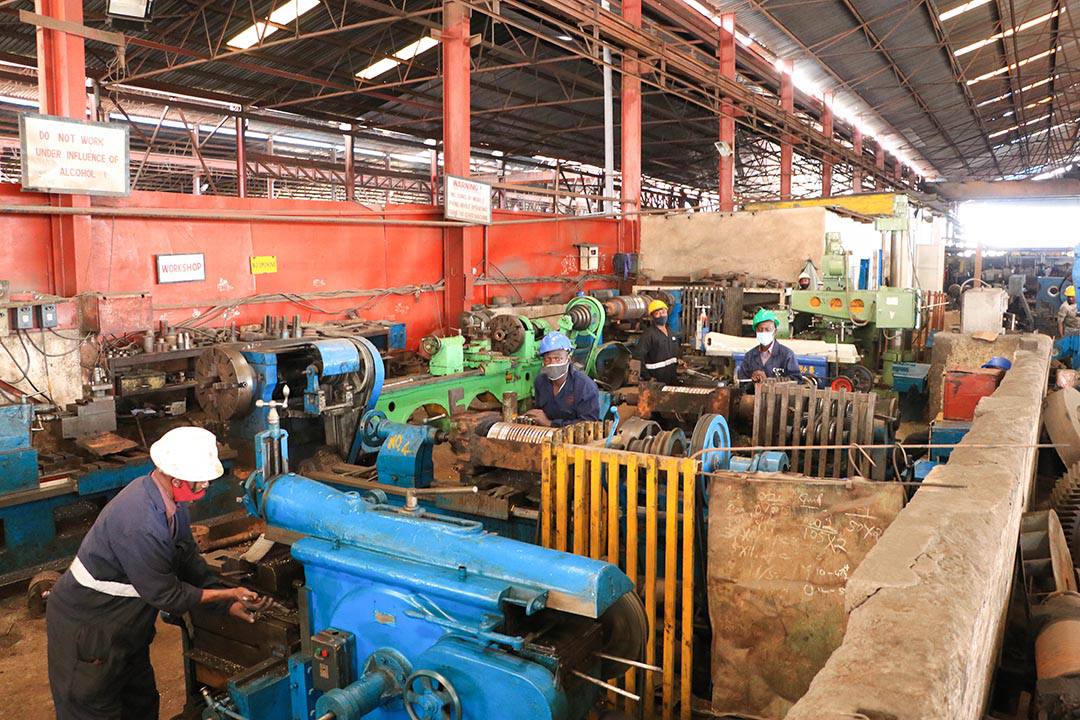
Kenya’s manufacturing sector, a cornerstone of its industrialization agenda – contributing to 7.6% of the total GDP in 2023 according to KNBS Economic Survey, 2024 – has faced major challenges as global trade flows have expanded. One of the most significant challenges is the impact of imports on Kenya’s manufacturing, particularly through the substitution effect. The substitution effect refers to when imported goods replace locally manufactured products, potentially threatening domestic jobs, reducing production and undermining the competitiveness of local industries. For instance, the liberalization of trade policies in the early 1990s, opened up the Kenyan market to a greater influx of foreign goods. Kenya, traditionally reliant on locally manufactured goods, has now found itself in competition with imported goods. These imported goods, often produced at scale, are also cheaper hence replacing locally manufactured goods as consumers’ demand for these goods are high. Discussed are some of the negative impacts of the substitution Effect on Kenya’s economy.
Import substitution has led to the loss of job opportunities in the manufacturing sector. As domestic goods are being replaced by cheap largescale imports, demand for locally manufactured goods fall, leading to a general decline in production. This creates a ripple effect in the general manufacturing sector as industries downsize or shut down operations, in order to counter the effects of decrease in demand. This has led to the loss of many jobs as the manufacturing sector accounts for a significant percentage of wage employment; 11.5% as of 2023(KNBS, 2024).
This has also led to the closure of some local manufacturers which are unable to compete with imported goods. For instance, this has been particularly evident in the textile and clothing sector where it has faced stiff competition from imported cheap second-hand clothing known as “mitumba”. Local textile and clothing manufacturers struggle to find a market for their products as consumers find these cheap imported goods attractive. Manufacturers such as Kisumu Cotton Mills (Kicomi), have collapsed due to rise in imported mitumba products and the liberalization of trade.
Moreover, the manufacturing sector also faces stifled growth and investment. With the increasing competition from imported products, the future of the local manufacturing sector is uncertain. Investors are discouraged from investing capital as they fear losses or low returns. Futhermore, the high cost of production continues to stifle growth as manufacturers are faced with high cost of raw materials, labour, energy and transport. This leads to decrease in the manufacturing output and the total GDP of Kenya.


Additionally, increased trade deficits as a result of increase in imports without a corresponding increase in exports. The growth of imports grows at a faster rate than the rate of exports resulting in imbalance of trade. Kenya’s manufacturing exports struggle to compete in the stiff international markets hence resulting to the loss of foreign exchange. Other effects are dependency that creates vulnerability to global supply chain disruptions. For example, the Covid-19 pandemic in 2020 forced exporter countries to Kenya, i.e. China, to shut down operations affecting Kenya’s economy.
The substitution effect of imports on Kenya’s manufacturing sector has been a significant factor in shaping the Kenya’s industrialization trajectory. To ensure sustainable growth in manufacturing, Kenya must continue to explore policies that enhance the competitiveness of domestic industries, reduce dependency on imports, and create quality employment opportunities. By striking the right balance between import liberalization and domestic protection, Kenya’s manufacturing sector can thrive amidst global competition and contribute meaningfully to its economic development.