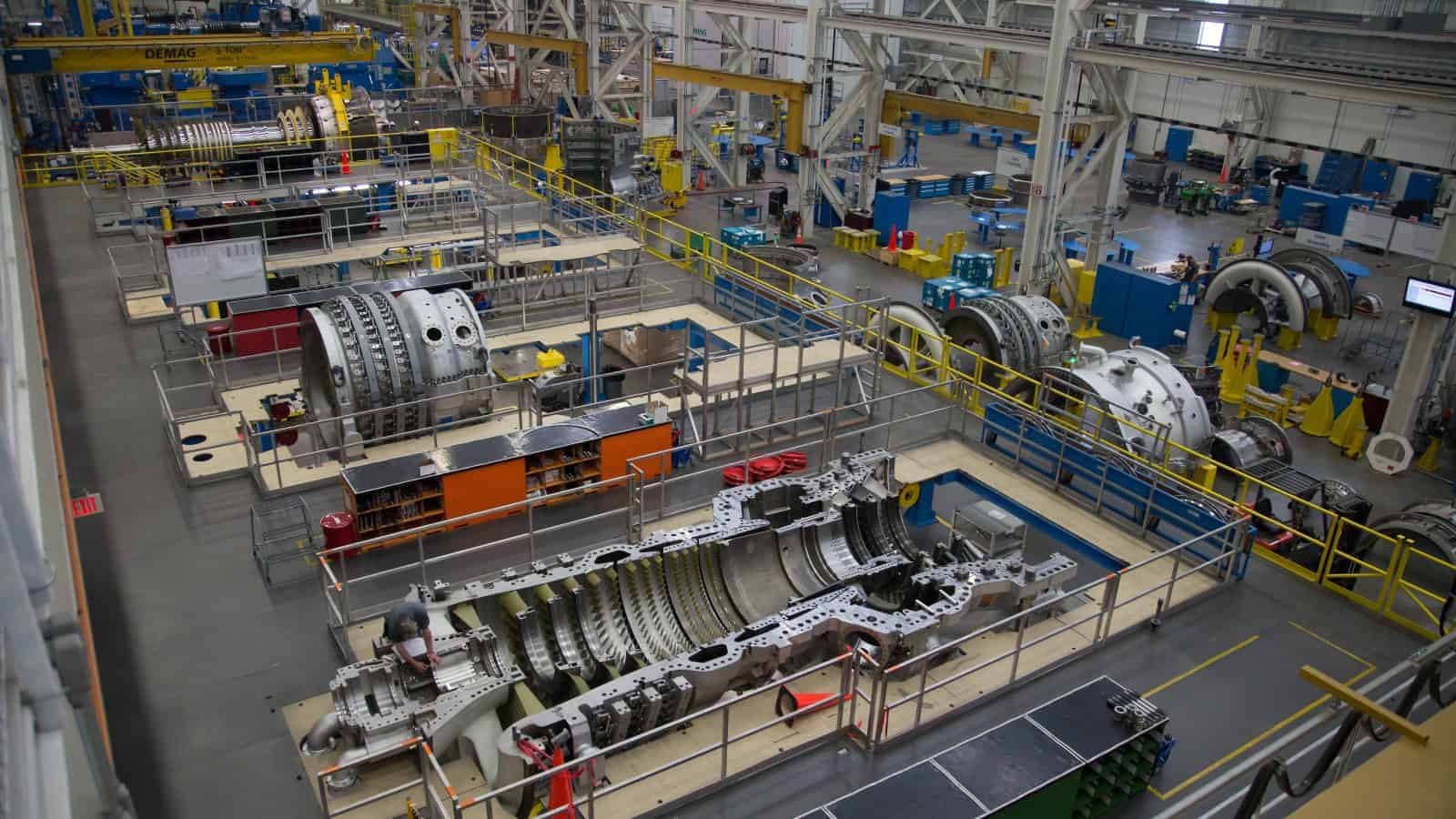
Kenya’s manufacturing sector, once a beacon of economic stability, is facing significant challenges leading to its decline within the decade. The contribution of the manufacturing sector to Kenya’s GDP has been on a downward trajectory, shrinking from 10.9% in FY’2013 to a mere 8.2% in FY’2023.
One main reason is that each year, new finance acts by the government introduce statutory changes that create a highly uncertain environment for businesses. This lack of stability discourages both local and foreign investors from committing to long-term projects in the manufacturing sector.
The impact of this uncertainty cannot be overstated. Manufacturing enterprises require substantial capital investment, long-term planning, and a predictable policy environment to thrive. When tax policies are subject to frequent changes, businesses face difficulties in financial forecasting and strategic planning. This unpredictability increases the perceived risk associated with investing in Kenya, making other countries like Tanzania and Uganda with more stable tax regimes more attractive to potential investors. Moreover, the fluctuating tax policies often lead to higher compliance costs for businesses, further eroding profit margins and deterring investment. Companies must constantly adjust to new regulations, which can involve reconfiguring supply chains, revising pricing strategies, and even restructuring operations—all of which are costly and time-consuming processes.
Additionally, as of FY’2023, Kenya’s current account deficit stands at KES 603.7 billion. Although this represents an improvement from the KES 694.2 billion deficit recorded in FY’2022, the underlying reasons for this reduction point to broader systemic issues. The improvement was largely driven by a growth in the value of merchandise exports, notably in horticulture and tea, which benefited from a favorable exchange rate following the depreciation of the Kenyan Shilling in 2023. However, this growth masks a critical problem: Kenya continues to export raw materials rather than engage in value addition through processing and manufacturing. This approach limits the potential economic benefits and job creation that a robust manufacturing sector could provide.

A stable and predictable tax policy environment is critical for driving investments. It provides businesses with the confidence they need to make long-term investments in capital, technology, and human resources. For Kenya, achieving this stability is essential to reverse the decline in the manufacturing sector and to foster industrial growth. A predictable tax regime would not only attract new investors but also encourage existing businesses to expand their operations, thereby creating jobs and boosting economic growth.
To address these challenges, the Kenyan government must prioritize the establishment of a consistent and transparent tax policy framework. Engaging with stakeholders, including businesses and industry experts, to develop a tax strategy that balances revenue generation with the needs of the manufacturing sector is crucial. Additionally, providing clear guidelines and minimizing sudden policy shifts can help build the confidence necessary for long-term investment.