Sharp Daily
No Result
View All Result
Tuesday, August 11, 2026
  • Home
  • News
    • Politics
  • Business
    • Banking
  • Investments
  • Technology
  • Startups
  • Real Estate
  • Features
  • Appointments
  • About Us
    • Meet The Team
Sharp Daily
  • Home
  • News
    • Politics
  • Business
    • Banking
  • Investments
  • Technology
  • Startups
  • Real Estate
  • Features
  • Appointments
  • About Us
    • Meet The Team
No Result
View All Result
Sharp Daily
No Result
View All Result
Home News

Sub-Saharan Africa returns to Eurobond Market

Joshua Otieno by Joshua Otieno
March 1, 2024
in News
Reading Time: 1 min read

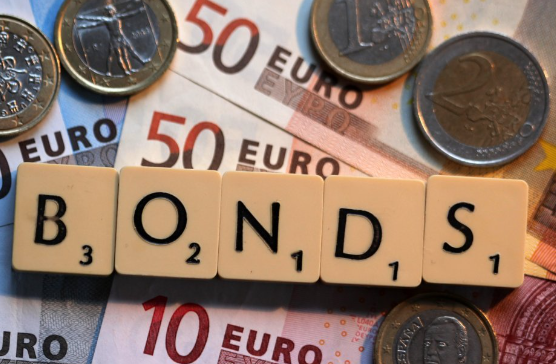
Sub-Saharan African countries, dormant in the Eurobond market for two years, have made a resounding return in the current year.

Ivory Coast (Côte d’Ivoire) led the charge, issuing two bonds with maturities of 8.5 and 12.5 years, fetching coupon rates of 7.625% and 8.250%, respectively, and receiving USD 2.6 billion from the offer.

Following suit, Benin debuted in the market with a USD 750 million dollar bond with a tenor of 14 years and a coupon rate of 8.375%.

Kenya entered the fray with a highly successful but costly buyback and new offer deal. The country raised USD 1.5 billion to repurchase a significant portion of its USD 2 billion Eurobond maturing in June.

RELATEDPOSTS

No Content Available

Taking a cue from Kenya, Benin has initiated a buyback program for its Eurobonds, seeking to repurchase its 5.75% 2026 (€176.36 million outstanding) and 4.875% 2032 (€700.0 million outstanding) maturities.

Benin’s buyback program, set to commence on February 28th with a tender expiry date of March 6th and an anticipated settlement date around March 12th, reflects a proactive approach to managing its debt portfolio amidst evolving market conditions.

The resurgence of Eurobond issuance in Sub-Saharan Africa offers numerous benefits. It provides access to external financing for critical infrastructure projects, social programs, and economic reforms.

Additionally, it diversifies financing sources, reducing reliance on domestic borrowing, and strengthens fiscal resilience. The revival also signals attractiveness to global investors, potentially stimulating economic activity.

However, amid the optimism, caution is advised. Governments must maintain fiscal discipline and proper risk management to avoid debt distress.


Previous Post

Food inflation sees slowest rise in nearly two years

Next Post

Scores feared dead as Tahmeed bus collides with a tanker in Busia

Joshua Otieno

Joshua Otieno

Related Posts

News

Private credit and its growing role in investment portfolios

August 10, 2026
KRA
Analysis

KRA loses Sh264.9 million bad debt tax dispute against consolidated bank

August 10, 2026
News

Kenya’s Capital Markets Recovery

August 7, 2026
News

THE AI INFRASTRUCTURE RACE RESHAPES GLOBAL CAPITAL ALLOCATION

August 7, 2026
News

Infrastructure Finance Growth Drives Regional Bank Expansion

August 7, 2026
News

Central Banks Shift to Stablecoin Prudential Integration

August 7, 2026

LATEST STORIES

Private credit and its growing role in investment portfolios

August 10, 2026
KRA

KRA loses dispute over tax deduction on bad bank loans

August 10, 2026
KRA

KRA loses Sh264.9 million bad debt tax dispute against consolidated bank

August 10, 2026

Kenya’s Capital Markets Recovery

August 7, 2026

AI and the Future of Pension Fund Management

August 7, 2026

Kenya’s retirees are finally waking up to the cost of growing old

August 7, 2026

THE AI INFRASTRUCTURE RACE RESHAPES GLOBAL CAPITAL ALLOCATION

August 7, 2026

Infrastructure Finance Growth Drives Regional Bank Expansion

August 7, 2026
  • About Us
  • Meet The Team
  • Careers
  • Privacy Policy
  • Terms and Conditions
Email us: editor@thesharpdaily.com

Sharp Daily © 2024

No Result
View All Result
  • Home
  • News
    • Politics
  • Business
    • Banking
  • Investments
  • Technology
  • Startups
  • Real Estate
  • Features
  • Appointments
  • About Us
    • Meet The Team

Sharp Daily © 2024