Sharp Daily
No Result
View All Result
Thursday, September 3, 2026
  • Home
  • News
    • Politics
  • Business
    • Banking
  • Investments
  • Technology
  • Startups
  • Real Estate
  • Features
  • Appointments
  • About Us
    • Meet The Team
Sharp Daily
  • Home
  • News
    • Politics
  • Business
    • Banking
  • Investments
  • Technology
  • Startups
  • Real Estate
  • Features
  • Appointments
  • About Us
    • Meet The Team
No Result
View All Result
Sharp Daily
No Result
View All Result
Home Real Estate

Why riparian land cannot be ignored in urban development

Lewis Muhoro by Lewis Muhoro
October 8, 2024
in Real Estate
Reading Time: 2 mins read

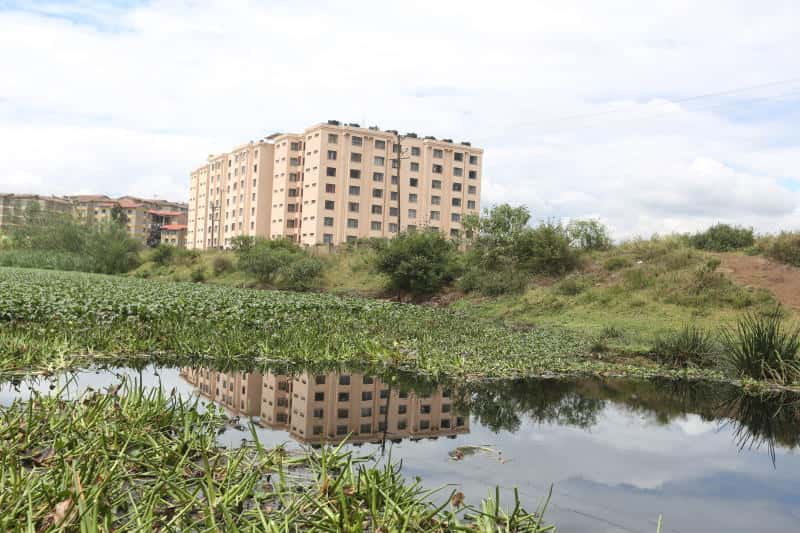
In real estate development, riparian land plays a critical role in ensuring sustainable, compliant, and responsible land use. In Kenya, as urbanization continues to surge, real estate developers often face challenges in balancing rapid development with environmental conservation. Observing riparian zones in real estate is crucial for several reasons, which range from legal compliance and environmental sustainability to property value preservation and risk management.

One of the primary reasons to observe riparian land in real estate is to adhere to Kenyan laws and regulations. The Environmental Management and Coordination Act (EMCA), along with guidelines from the Water Resources Authority (WRA), provides strict regulations prohibiting construction or development within riparian zones. Failure to comply with these regulations can lead to hefty fines, legal action, or even demolition of property.

Riparian land acts as a buffer against flooding by absorbing excess water during heavy rains or rising water levels in rivers and lakes. Building on riparian zones compromises this natural flood control mechanism and puts properties at risk of flooding. This not only endangers the lives of residents but can also result in expensive damage to property and infrastructure.

Sustainable real estate development increasingly appeals to modern buyers and investors, who prioritize eco-friendly practices. Preserving riparian land not only protects the local environment but also contributes to a project’s overall sustainability profile. The conservation of riparian zones helps maintain biodiversity, supports clean water systems, and enhances air quality—all factors that improve the quality of life for residents.


RELATEDPOSTS

Wealthy Kenyans shift to data centers and logistics

July 24, 2026

Why urban Kenyans are turning to micro-homes and co-living spaces

November 5, 2025

Properties built too close to riparian zones, or on land that does not adhere to environmental regulations, are at risk of devaluation. Over time, water damage, erosion, and other environmental hazards can deteriorate the structural integrity of buildings. Additionally, properties that violate riparian laws may be marked for demolition, which not only results in financial loss but can also impact the surrounding property market negatively.

Observing riparian land regulations in real estate development is not only a legal obligation but also a strategic move for sustainable development, risk management, and property value enhancement. By adhering to these guidelines, developers can protect their investments, promote environmental conservation, and create desirable living spaces that contribute to Kenya’s long-term urban development goals.


Previous Post

KNEC announces schedule for 2024 KCSE examinations

Next Post

The role feminism has played in shaping womanhood

Lewis Muhoro

Lewis Muhoro

Related Posts

Analysis

Kenya’s Real Estate market is changing

August 21, 2026
News

Muguku family puts Waterfront Karen Mall up for sale in multi-billion shilling deal

July 22, 2026
News

Why Kenya’s apartment prices keep falling while standalone homes surge

July 17, 2026
Real Estate

Nairobi’s Railway Revival Promises Relief from Gridlock and Supports Ordered Urban Growth

July 17, 2026
Real Estate

High Interest Rates, Oversupply and Poor Planning Drive Surge in Real Estate Loan Defaults in Kenya

July 10, 2026
Investments

Kenya’s REIT market does not need more hype ; It needs better structure

July 10, 2026

LATEST STORIES

Nedbank NCBA Acquisition: East Africa Banking Deal

September 3, 2026

Kenya’s diaspora remittances fall 3% to Sh316 Billion in H1 2026

September 3, 2026

DStv set to launch sports only streaming package in South Africa on september 17

September 2, 2026

Kenya’s Pending Bills Remain High Despite Narrower Budget Deficit

September 2, 2026

How Financing Constraints Slowed Kenya’s Vision 2030

September 2, 2026

Kenya’s Trust Deficit Could Raise Investment Risks and Cost of Capital

September 2, 2026

Kenya CEO Confidence Strengthens as Firms Anticipate Improved Growth Prospects

September 2, 2026

Kenya’s Sevi Secures Investment to Scale SME Stock Financing and Expand Fintech Reach

September 2, 2026
  • About Us
  • Meet The Team
  • Careers
  • Privacy Policy
  • Terms and Conditions
Email us: editor@thesharpdaily.com

Sharp Daily © 2024

No Result
View All Result
  • Home
  • News
    • Politics
  • Business
    • Banking
  • Investments
  • Technology
  • Startups
  • Real Estate
  • Features
  • Appointments
  • About Us
    • Meet The Team

Sharp Daily © 2024