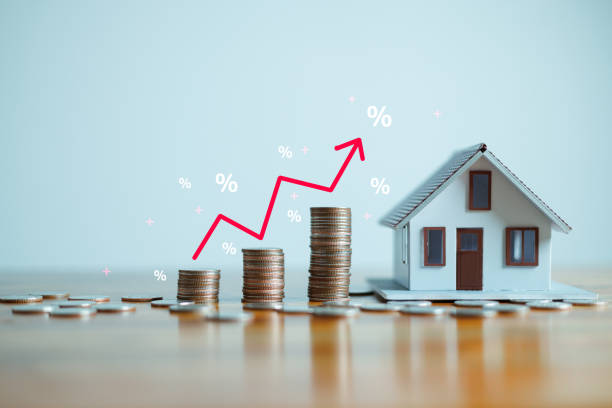
For decades, many investors in Kenya have operated under a comforting belief: real estate prices will always go up. This assumption has shaped buying decisions, fueled speculative developments, and driven land banking across the Nairobi Metropolitan Area. However, the notion of automatic price appreciation is a fallacy, one that increasingly exposes investors to financial risk.
Real estate does not appreciate by default; it grows in value only when supported by strong fundamentals. Factors such as infrastructure expansion, population growth, zoning policies, employment opportunities and quality of surrounding developments are what actually drive sustainable price increases. Without these, property values can stagnate for years or even decline, regardless of hype or perceived demand.
In recent years, parts of Nairobi and its satellite towns have demonstrated this reality. Areas oversupplied with residential units or commercial spaces have recorded slower growth and longer selling periods. Some land prices in traditionally speculative corridors have remained flat despite aggressive marketing. The message is clear: appreciation is not guaranteed, it is earned.
Moreover, global economic pressures, high interest rates, rising construction costs and shifting consumer preferences further challenge the old assumption. Buyers now demand amenities, efficiency, smart planning and proximity to social infrastructure. Poorly planned developments can quickly lose appeal, dragging values down.


Investors must therefore shift from passive optimism to evidence-based decision-making. Proper due diligence, market research, income potential analysis and project feasibility studies are essential. Value should be created through quality development, improved utility, innovation and strategic positioning, not simply the passage of time.
The fallacy of automatic appreciation is a costly myth. In today’s market, real estate rewards informed investors, not hopeful speculators. The smart approach is to buy based on fundamentals, invest in value creation, and allow appreciation to be the result, not the assumption.