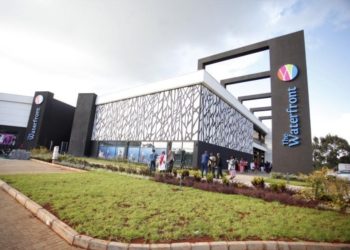
Real estate industry stakeholders must collaborate in addressing carbon emissions, employing carbon offset initiatives that finance projects mitigating or capturing equivalent emissions. This practice allows individuals, businesses, and industries to compensate for their greenhouse gas emissions, typically through the purchase of carbon credits.
Contemporary approaches within the real estate sector involve contributions to environmental sustainability, carbon footprint offsetting, and the implementation of projects integrating carbon credits.
The adoption of energy-efficient construction practices, such as utilizing solar panels, significantly diminishes carbon footprints. Developers across various real estate sectors are increasingly incorporating eco-friendly materials like bamboo and reclaimed wood, particularly in mixed-use developments.
In Kenya, notable progress has been made in carbon credit implementation, exemplified by a project in the Coast region where villagers in Gazi and Makongeni areas conserved 117 hectares of state-owned mangroves, with plans to preserve an additional 10 hectares. This initiative invites carbon-producing businesses to collaborate with the community to evaluate the feasibility of engaging in carbon credit projects.


Initiatives like the Leadership in Environmental Design (LEED) program confirm developers’ commitments to carbon emission reduction, emphasizing environmentally friendly practices. Real estate projects may contribute to land use changes or deforestation, impacting natural ecosystems. Reforestation and afforestation initiatives serve as carbon offset measures that can be funded by real estate investors to maintain net-zero or carbon-neutral status.
Promoting eco-friendly projects through enhanced marketing efforts increases the market appeal of housing developments, acquiring green credentials through carbon credits. Developers can leverage this trend by positioning their projects as environmentally conscientious and carbon-neutral, meeting rising demand and gaining a competitive edge.
Sustainability in real estate offers opportunities for innovation, financial prosperity, and environmental responsibility. Carbon credits provide a mutually beneficial solution, simultaneously reducing carbon footprints and generating a unique revenue stream. Success is now measured by both financial gains and the positive impact developers make, with carbon credits signaling a commitment to a financially successful and sustainable future.