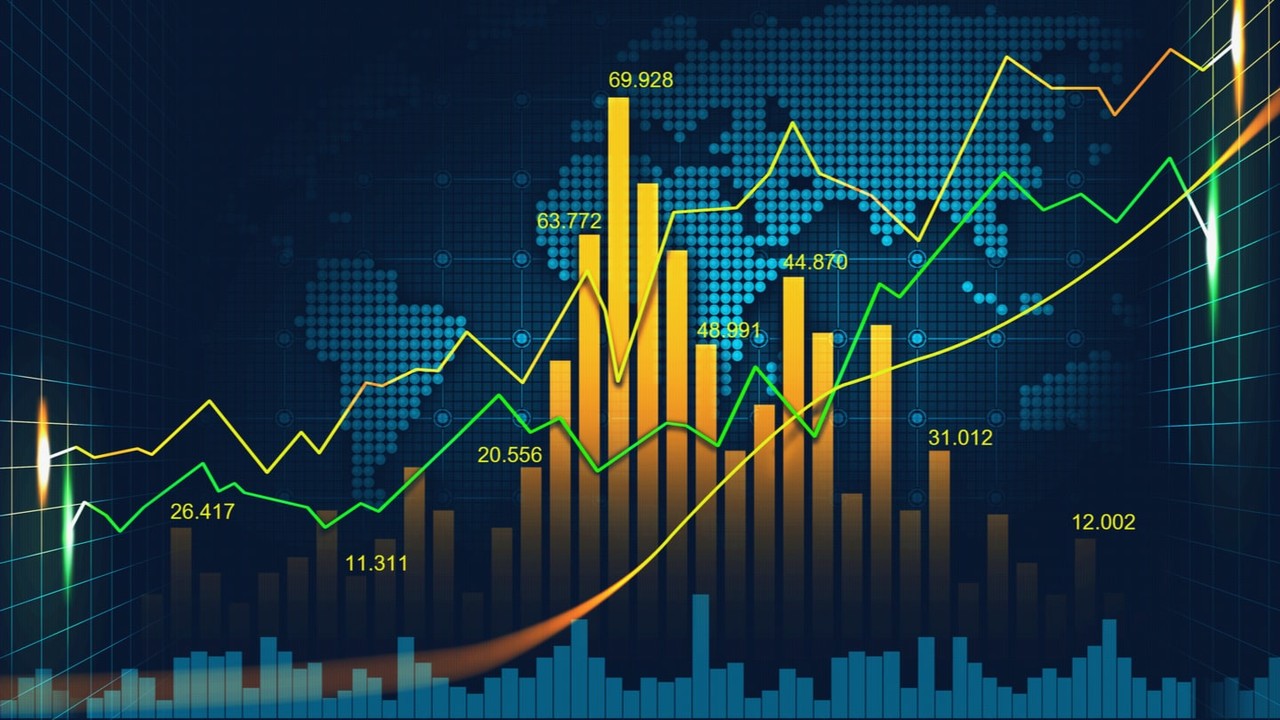
Quantitative trading, often referred to as ‘quant trading’ or algorithmic trading, is a systematic approach to trading financial instruments using mathematical models and algorithms. These models analyze vast amounts of data to identify patterns, trends, and anomalies in the market, allowing traders to make informed decisions and execute trades at optimal times and prices.
At its core, quantitative trading relies on the principles of probability, statistics, and computer programming. Traders develop algorithms that automatically execute trades based on predefined criteria, such as price movements, volume, and market indicators. These algorithms can range from simple to highly complex, incorporating advanced mathematical techniques and machine learning algorithms.
The rise of quantitative trading can be attributed to advancements in technology and the availability of vast amounts of financial data. With the advent of high-speed internet, powerful computers, and sophisticated software tools, traders can now analyze market data in real-time and execute trades within milliseconds. This speed and efficiency give quantitative traders a competitive edge, allowing them to capitalize on fleeting opportunities in the market.
In Kenya, quantitative trading is still in its infancy compared to more established financial markets. However, the adoption of algorithmic trading is poised to grow, driven by several factors. First, Kenya’s financial sector is becoming increasingly sophisticated, with the Nairobi Securities Exchange (NSE) evolving into a modern and efficient marketplace. As the infrastructure improves and regulations become more conducive to electronic trading, the adoption of quantitative strategies is expected to accelerate.


Moreover, the proliferation of mobile technology and internet connectivity has democratized access to financial markets in Kenya. Retail investors and institutional traders alike can now access trading platforms and execute trades from the palm of their hands. This accessibility can in the future create opportunities for algorithmic trading firms to develop products and services tailored to the Kenyan market, catering to the needs of both retail and institutional clients.
However, challenges remain for the widespread adoption of quantitative trading in Kenya. These include limited access to quality financial data, regulatory barriers, and the need for greater awareness and education about algorithmic trading among investors and market participants. The role of the Capital Market Authority (CMA) in addressing these challenges will require collaboration between industry stakeholders, regulators, and educational institutions to create an enabling environment for quantitative trading to thrive.
While still in its nascent stages, algorithmic trading can flourish in Kenya, driven by advancements in technology, growing market sophistication, and a burgeoning fintech ecosystem. As Kenya’s financial markets continue to evolve, quantitative trading is poised to play an increasingly significant role in shaping the investment landscape of the future.