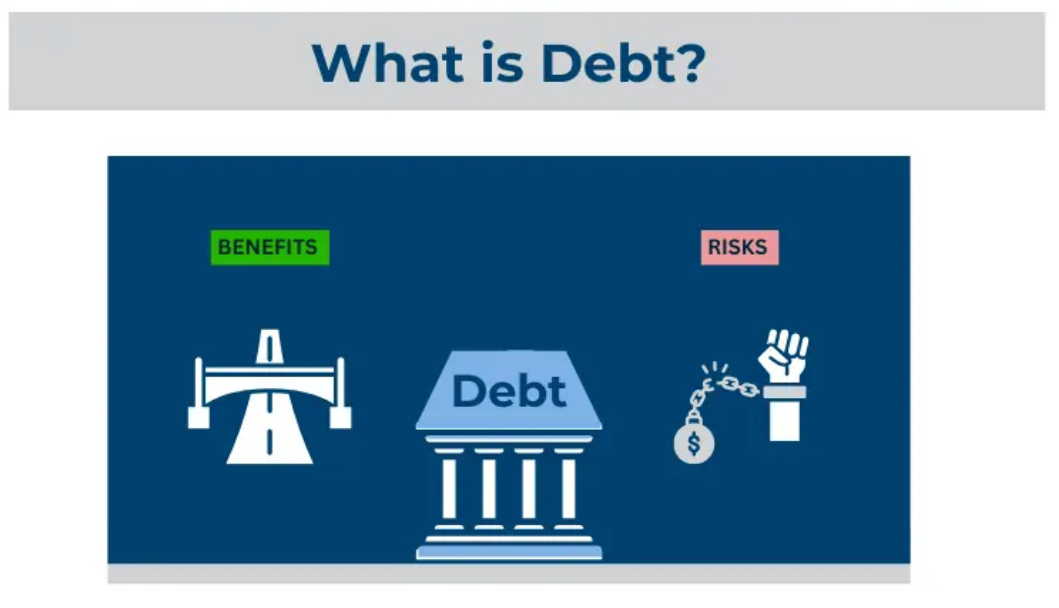
Public debt dynamics have become an increasingly important topic in economic discussions, particularly as governments around the world rely on borrowing to finance development, manage fiscal deficits, and respond to economic shocks. Public debt refers to the total financial obligations accumulated by a government through borrowing from domestic and international sources. Understanding how this debt evolves over time is essential for assessing the sustainability of a country’s fiscal position and its broader economic stability.
Public debt dynamics are influenced by several interconnected factors, including government spending, revenue collection, economic growth, interest rates, and exchange rate movements. When government expenditure exceeds revenue, fiscal deficits arise, often requiring borrowing to bridge the gap. Over time, repeated borrowing can lead to an accumulation of debt, which must be serviced through interest payments and eventual repayment of principal.
Economic growth plays a crucial role in determining the sustainability of public debt. When an economy expands steadily, government revenues tend to increase through higher tax collections and improved economic activity. This can help offset rising debt levels and maintain a manageable debt-to-GDP ratio. In contrast, slow economic growth can make it more difficult for governments to generate sufficient revenue to service existing debt obligations, potentially increasing fiscal pressures.
Interest rates also significantly affect public debt dynamics. Higher interest rates increase the cost of borrowing and raise the amount governments must allocate toward debt servicing. If debt servicing costs consume a large portion of government revenue, fewer resources remain available for public services, infrastructure investment, and social programs. Conversely, lower interest rates can ease the burden of debt repayment and provide governments with greater fiscal flexibility.


Exchange rate movements can further influence debt sustainability, particularly for countries that borrow in foreign currencies. When a domestic currency depreciates, the cost of repaying foreign-denominated debt rises in local currency terms. This can increase fiscal pressure, especially for economies with a significant share of external debt.
Effective public debt management requires a balanced approach that supports development while maintaining fiscal sustainability. Governments often adopt strategies such as extending debt maturities, diversifying funding sources, and strengthening revenue collection systems. These measures can help reduce refinancing risks and stabilize long-term debt trajectories.
Transparency and sound fiscal governance are also critical components of sustainable debt management. Clear reporting of borrowing activities and prudent fiscal planning help build investor confidence and maintain stable access to financial markets. When governments demonstrate commitment to responsible borrowing practices, it can contribute to lower borrowing costs and stronger economic credibility.
While public borrowing remains an essential tool for financing development and addressing economic challenges, maintaining sustainable debt levels is equally important. By carefully managing fiscal deficits, supporting economic growth, and maintaining transparent debt management practices, governments can ensure that public debt remains a manageable component of long-term economic policy.