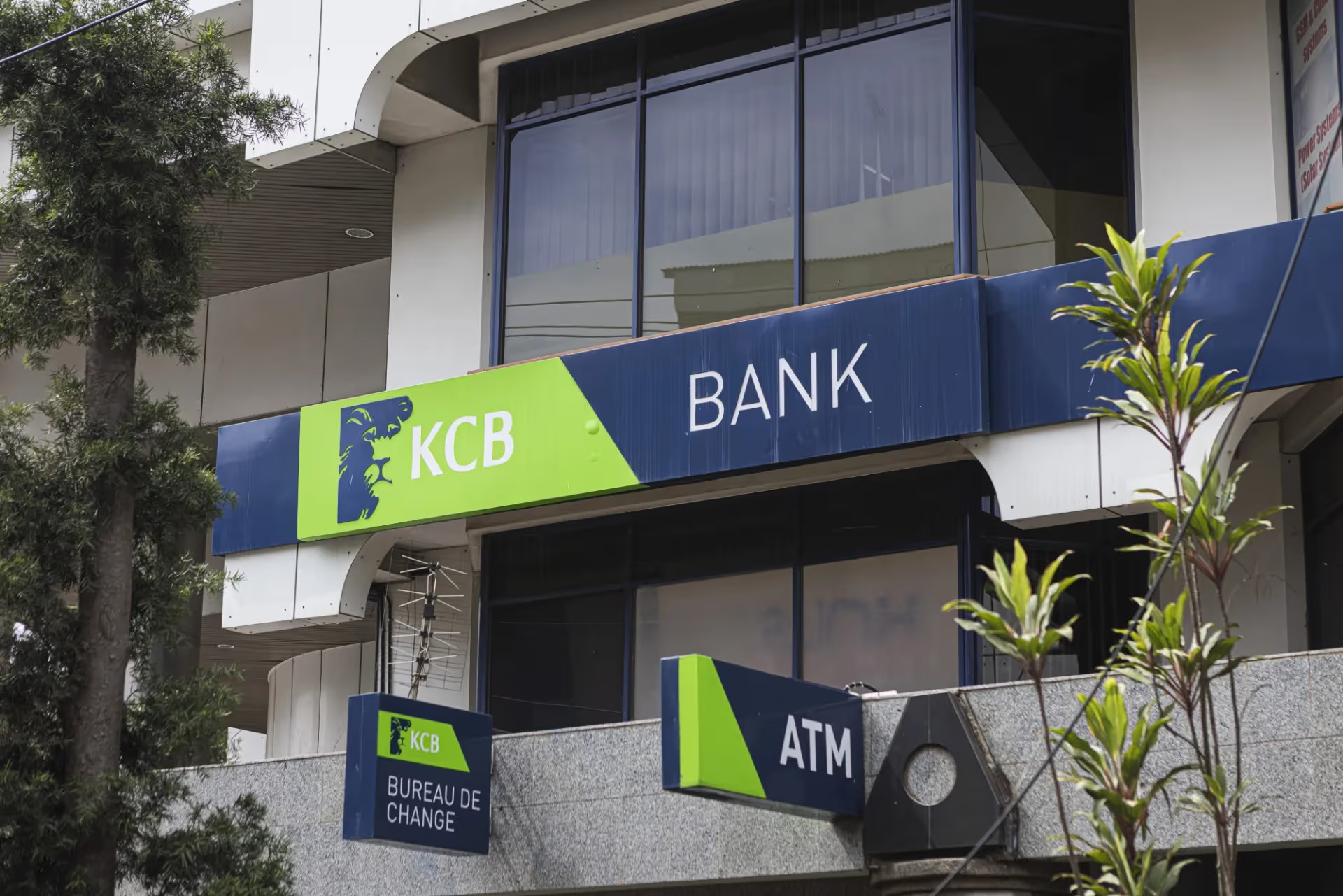
KCB Group has reported strong profit growth, underscoring the resilience of Kenya’s banking sector in a period defined by high interest rates and tight financial conditions.The bank’s performance has been largely driven by increased income from loans. Elevated interest rates over the past year have significantly boosted returns on lending, allowing banks to earn more from credit extended to both businesses and individuals. Across the sector, this environment has widened interest margins, supporting profitability and strengthening balance sheets.
KCB’s regional presence has also played a crucial role in its growth. With operations spread across several East African markets, the bank has been able to diversify its income streams and reduce dependence on any single economy. This geographic spread provides a level of stability, enabling the bank to maintain steady performance even as different markets face varying economic pressures.However, while the results reflect strong institutional performance, they also highlight broader challenges within the economy. High interest rates, while beneficial to banks, have made borrowing more expensive and less accessible.
For small and medium enterprises (SMEs), this presents a significant hurdle. Many of these businesses rely heavily on loans to finance daily operations, expand capacity, or invest in new opportunities. With the cost of credit remaining elevated, some are being forced to scale back growth plans, postpone investments, or operate under tighter financial constraints. Over time, this can limit innovation, job creation, and overall economic momentum.Consumers are also feeling the effects of this environment. Higher interest rates translate directly into increased costs for personal loans, mortgages, and other forms of credit. As a result, households are allocating a larger portion of their income toward servicing debt, leaving less available for spending and savings. This reduction in disposable income can weaken demand across key sectors of the economy, from retail to real estate.
The situation creates a complex and somewhat uneven economic landscape. On one hand, strong bank profitability signals confidence, stability, and a well-functioning financial system. On the other, constrained access to affordable credit poses risks to broader economic growth by limiting borrowing, spending, and investment.Looking ahead, the trajectory of interest rates will be a key factor in shaping both bank performance and economic activity. Any move toward easing could lower borrowing costs, support businesses, and improve household spending power. However, it may also reduce the high margins that banks are currently benefiting from.KCB’s latest results therefore reflect a broader reality within the economy—one where financial institutions continue to perform strongly, even as the high cost of credit remains a persistent challenge for businesses and consumers alike.