
Kenya’s position as a regional trade hub is once again under scrutiny after the United States flagged persistent corruption in public procurement and new import requirements as key obstacles facing American businesses.
According to Charles Mwaniki, in its latest assessment, the Office of the United States Trade Representative raised concerns that structural inefficiencies and regulatory hurdles could undermine foreign direct investment and trade flows between the two countries.
Procurement Concerns Take Centre Stage
At the heart of the report is Kenya’s public tendering system, which US officials say remains vulnerable to corruption and a lack of transparency.
According to USTR chief Jamieson Greer, American firms continue to face both direct and indirect pressure to engage in bribery when competing for government contracts.
“US firms have had limited success bidding on Kenyan government tenders,” he noted, adding that corruption often influences outcomes and delays projects through frequent legal disputes.
In addition, tenders are sometimes not announced in a timely or transparent manner. As a result, foreign companies—especially those adhering to strict compliance rules—find themselves at a disadvantage.
Strict US Laws Create Uneven Playing Field
Unlike some global competitors, US firms operate under the Foreign Corrupt Practices Act, which prohibits bribery of foreign officials.
This law, enforced by the U.S. Department of Justice and the Securities and Exchange Commission, imposes heavy penalties on companies found engaging in corrupt practices abroad.
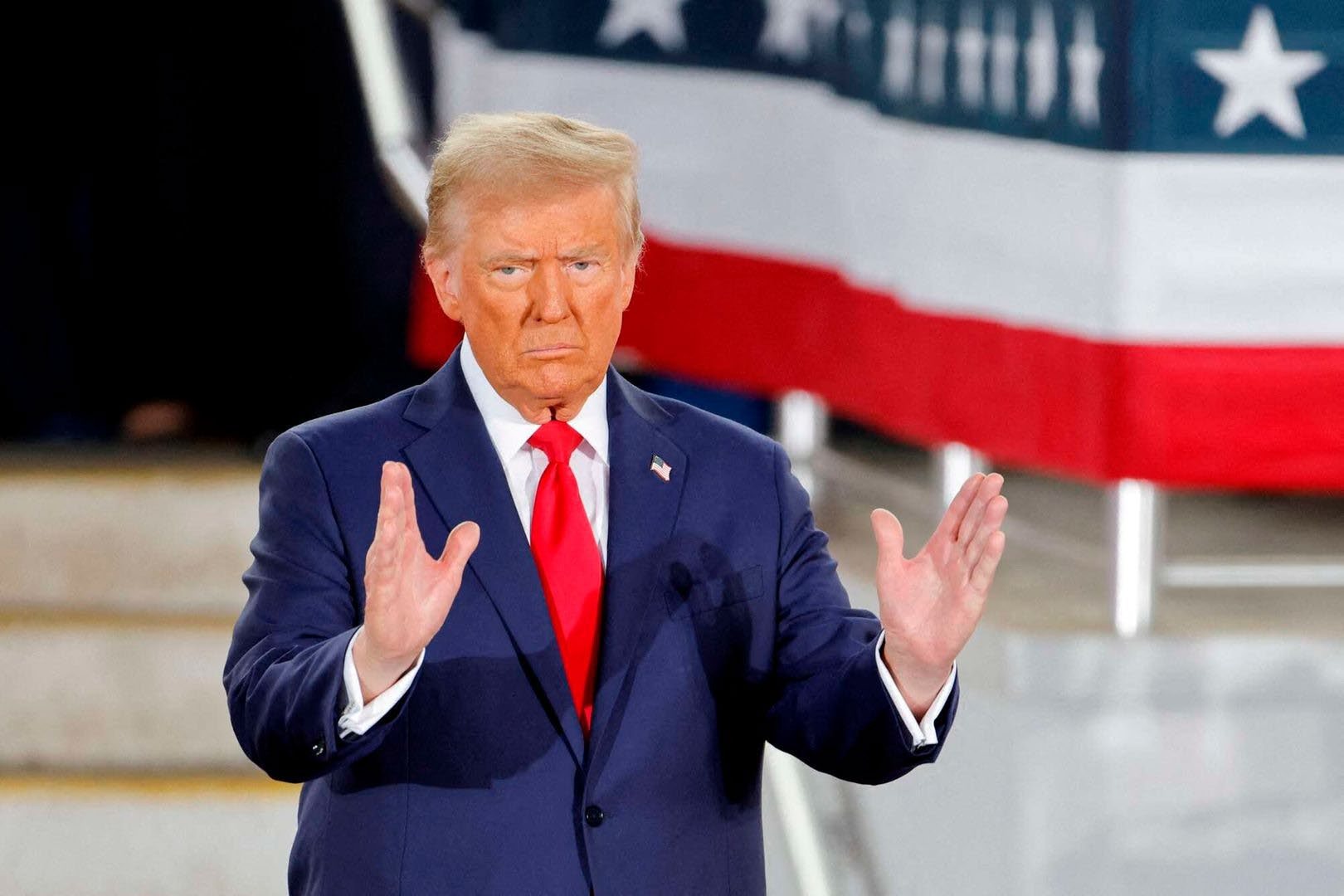
For instance, in 2024 alone, 14 firms paid a combined $1.12 billion in fines for violations. However, enforcement slowed in 2025 following policy changes under Donald Trump, including a temporary pause and reduced investigative capacity.
Even so, the law continues to shape how US firms approach markets like Kenya—often limiting their competitiveness where corruption is perceived to be widespread.
New Import Rules Add Pressure
Beyond procurement, the report also highlights growing concerns over Kenya’s customs and import procedures.
A major sticking point is the mandatory certificate of origin requirement introduced under the Finance Act 2025. The rule, which took effect in October 2025, requires all imports into Kenya to be accompanied by origin certification.
However, this has created friction for US exporters.
Unlike many countries, the US federal government does not issue such certificates. Instead, exporters must obtain them from state agencies or private entities—adding cost, time, and administrative complexity.
As Jamieson Greer explained, this requirement applies even when importers are not claiming preferential tariffs, making it an additional burden rather than a targeted control measure.
Broader Trade Barriers Persist
The USTR report also points to several other structural challenges affecting US businesses in Kenya.
These include:
- Inefficiencies in customs management systems
- Lengthy and costly import permits for dairy and poultry products
- Digital services taxes affecting tech firms
- Sanitary and phytosanitary standards limiting agricultural access
Taken together, these issues create a complex operating environment that may discourage investment or delay market entry.
Implications for Kenya’s Investment Climate
Kenya has long positioned itself as an attractive destination for foreign investment, particularly as a gateway to East Africa. However, persistent governance and regulatory concerns risk undermining that appeal.
Importantly, the concerns raised by the US are not new. They reflect long-standing issues that have repeatedly surfaced in bilateral trade discussions.
Still, the stakes are rising.
As global competition for capital intensifies, countries that streamline regulations, enhance transparency, and enforce fair competition are more likely to attract sustained investment.