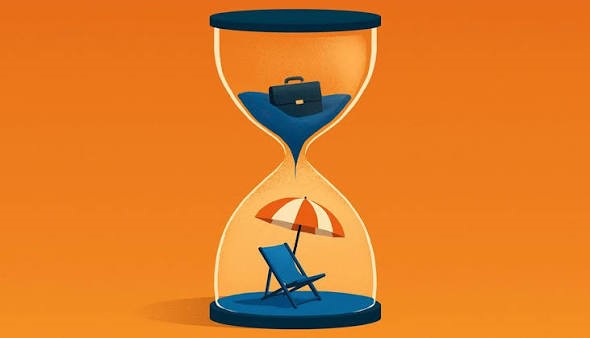
Retirement does not have to happen all at once. For many people, stopping work overnight can feel abrupt, financially risky, or simply unappealing. Phased retirement offers a different path. It allows individuals to slowly reduce their working hours while beginning to draw on their pension or retirement savings. It is an approach that is growing in popularity, and for good reason.
The traditional model of retirement no longer reflects how many people want to live. People are living longer, staying healthier and in many cases enjoying their work enough to want to continue in some form. At the same time, some workers cannot afford to retire fully as early as they planned. Phased retirement speaks to both of these realities.
In simple terms, phased retirement means reducing working hours or responsibilities gradually rather than stopping work entirely on a fixed date. This might mean dropping from five days a week to three. It could mean moving from a senior role into a part-time advisory position. The arrangement depends on the individual, their employer and the nature of their work. There is no single formula. What matters is that the transition is planned and deliberate.
One of the biggest financial benefits of phased retirement is the ability to begin drawing from a pension before fully leaving work. This reduces the pressure on retirement funds in the early years. Drawing a smaller pension income while still earning from work is often more sustainable than drawing the full amount from day one. It also gives the remaining pension pot more time to grow, which can make a meaningful difference to the total amount available later.

How a pension is accessed during phased retirement depends on the type of scheme involved. Those in defined contribution schemes generally have more flexibility. They can choose when to start drawing down their fund and how much to take at a time. This makes phased retirement easier to manage from a pension perspective. Those in defined benefit schemes may face more restrictions. The rules around when benefits can be accessed and whether partial drawdowns are allowed vary between schemes. It is important to check the specific rules of your scheme before making any decisions.
In Kenya, phased retirement is not yet widely formalized as a workplace policy. However, the concept is very relevant. Many older workers continue working beyond the standard retirement age, either out of financial need or personal choice. For those with NSSF savings, it is worth understanding when those funds can be accessed and under what conditions. Members who have reached the qualifying age can begin to receive their benefits, but the timing of that decision can affect the total amount received. Taking time to understand these rules is an important part of planning a gradual exit from full-time work.
For workers with occupational pension schemes registered with the Retirement Benefits Authority in Kenya, the scheme rules will determine how and when benefits can be drawn. Some schemes allow for partial access while the member is still working, while others require full retirement before any benefits are paid. Checking with your scheme administrator early gives you time to plan the transition properly and avoid surprises.
Tax is an important consideration during phased retirement. When pension income is combined with part-time employment income, the total may be higher than expected. This could affect the amount of tax owed. In Kenya, retirement benefits from registered schemes attract specific tax treatment, and it is worth understanding how this applies to your situation before you begin drawing down. A regulated financial adviser can help you structure your withdrawals in the most tax-efficient way possible.
Pension contributions during phased retirement also deserve attention. Reducing working hours usually means a reduction in salary. This can affect how much is being contributed to a pension during the transition period. For those still building their retirement savings, even a modest reduction in contributions over several years can affect the final pension pot. Where possible, maintaining contributions at a reasonable level during the phased period helps protect the long-term value of the pension.
The psychological benefits of phased retirement are just as real as the financial ones. Stopping work suddenly can create a sense of loss that many people do not anticipate. A career often provides structure, identity, and social connection. Reducing work gradually allows people to adjust their routines, develop new interests, and stay socially engaged without the shock of a sudden change. This smoother adjustment can have a positive effect on mental health and overall wellbeing during the transition into retirement.
Employers can benefit from phased retirement arrangements too. Experienced workers carry knowledge and skills that take time to transfer. A gradual transition gives organizations a chance to manage succession more carefully and allows newer employees to learn from experienced colleagues before they leave. Some larger employers have begun putting formal phased retirement policies in place, though this is still not common across all sectors in Kenya.
Phased retirement is not the right choice for everyone. Some people are ready for a clean break and have the financial means to support it. Others find that a gradual reduction leaves them feeling unsettled. The key is to plan deliberately and understand both the financial and personal implications before committing to any arrangement.
For those who do choose this path, the benefits can be significant. A gentler move into retirement can protect financial stability, support mental wellbeing, and allow individuals to leave work on their own terms. Given that retirement can last several decades, starting that chapter in a thoughtful and structured way is worth every bit of the planning it requires.