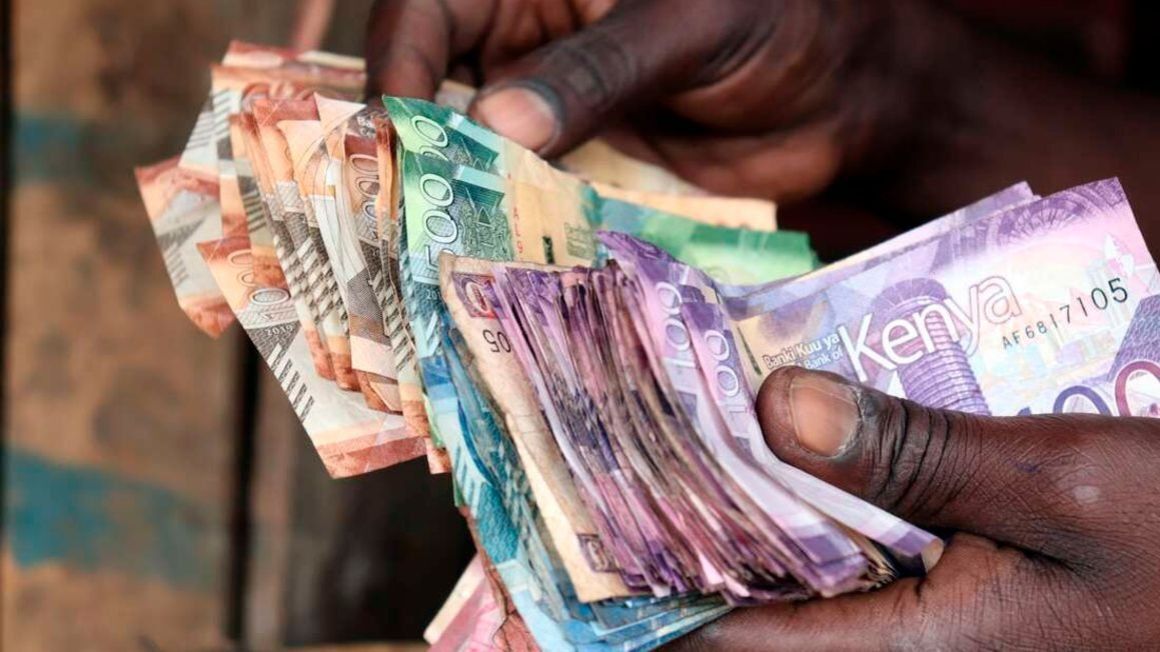
The Kenyan Shilling has so far experienced a depreciation of 25.7% since the beginning of the year, mainly attributable to the challenges within the country’s macroeconomic environment.
The Kenyan Economy is characterised by an ever-present current account deficit, deteriorating foreign exchange reserves, heightened inflation and high public debt levels which have continued to exert pressure on the Kenyan shilling.
The current account deficit, which is one of the main components of the country’s balance of payments, came in at 3.7% of the GDP as of June this year. A current account deficit occurs when a country imports more goods and services than it exports, creating an inherent demand for foreign currencies as compared to the demand for the county’s local currency.
This heightened demand exerts pressure on the Kenyan Shilling in the foreign exchange market, contributing substantially to its persistent depreciation.

In addition to this is the concerning state of Kenya’s foreign exchange reserves, which currently amount to USD 6.7 billion, equivalent to a 3.6 months of import cover falling below the recommended threshold of maintaining at least 4 months of import cover.
These reserves act as a safety net, providing stability to the currency. With reserves slipping below the recommended level, the Shilling becomes increasingly vulnerable to external shocks, increasing the risk of further depreciation.
In response to these challenges, the Kenyan government has proactively reviewed its monetary policy tools. In line with this, the monetary policy committee (MPC) increased the Central Bank Rate (CBR) to 10.5% in an emergency meeting held on June 26, 2023, from the previous rate of 9.5% following an urgent need to contain inflation and alleviate pressure on the Shilling.
Despite this, the Shilling continued its depreciation trend necessitating the MPC to raise the CBR further to 12.5% from the 10.5%, in its latest sitting held on December 5, 2023. The committee pointed out that this move would see more capital flows through foreign investments as interest rates continue to rise in the market, thereby supporting the Shilling.
Even with the prolonged depreciation, recent trends suggest a potential shift in the currency’s trajectory. November 2023 witnessed the Shilling experiencing a slower depreciation, partly attributed to the heightened positive sentiments from investors.
According to a report by FX Pesa – A financial firm, external funding commitments from the International Monetary Fund (IMF) and a reduction in the strength of the dollar have contributed greatly towards stabilizing the Shilling.
In addition, Loan promises from the IMF and World Bank have served to alleviate inflationary pressures, contributing to a more stable exchange rate as evidenced by the easing depreciation in the month of November.
While the current account deficit and foreign exchange reserve challenges exert downward pressure, the government’s proactive monetary policy adjustments and positive external commitments signal a potential turnaround.
Furthermore, the shilling is expected to be supported by the diaspora remittances which came in at USD 3.8 billion in the month of November 2023 which was an increase from the USD 3.7 billion recorded in a similar period in the previous year.