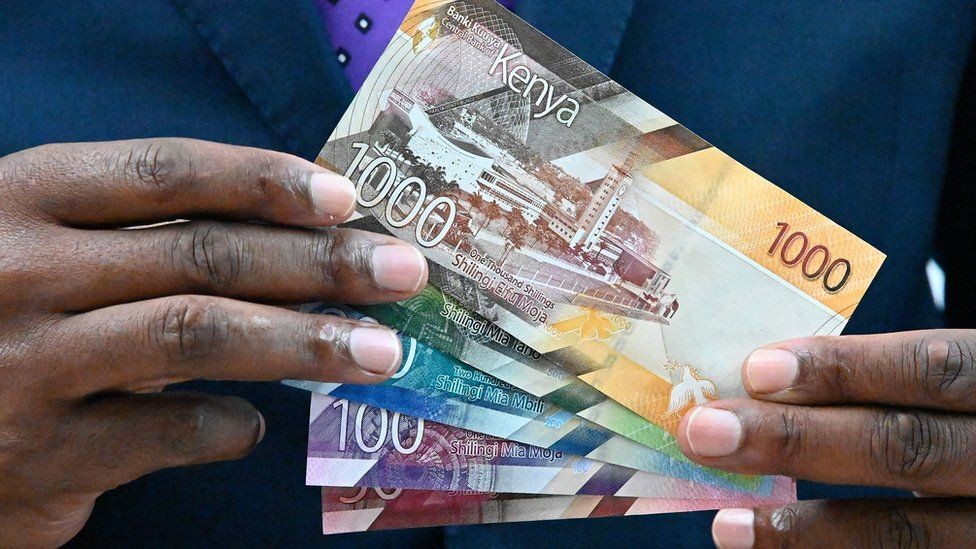
Treasury Cabinet Secretary John Mbadi has proposed a tax relief measure that would exempt Kenyans earning Sh30,000 and below per month from paying Pay As You Earn (PAYE) income tax, a move aimed at easing the cost of living and stimulating consumer spending. The proposal, announced in early February 2026 at a Budget and Privatisation Public Engagement Forum in Kiambu, is expected to be taken to Parliament for approval as part of broader fiscal reforms ahead of the 2026 Finance Bill.
Under the current tax regime, workers start paying income tax at around Sh24,000 a month, and many salaried Kenyans have voiced concerns that this threshold leaves low income workers with little disposable income after essentials such as food, rent, transport and school fees are covered.
Mbadi told the forum that taxing individuals at the lower end of the income scale is “not fair” and that the government wants to leave more money in the pockets of workers who are struggling with the rising cost of living. He said that the proposal has the backing of President William Ruto and will be presented as a Tax Laws Amendment Bill once Parliament resumes.
“We have agreed with the President that low income earners in this country should be given a reprieve,” Mbadi said, adding that anyone earning Sh30,000 and below should “pay zero” in PAYE. In addition to the zero tax for this group, the Treasury plans to reduce the tax rate for those earning between Sh30,000 and Sh50,000, lowering the bracket by about five percentage points to deliver further relief.
Treasury officials estimate that around 1.5 million of the 3.5 million salaried workers in Kenya fall into the category that would benefit directly from the tax exemption. The broader impact could extend to about 1.7 million workers when the reduced rate for the next income band is factored in.
Economists and tax experts say the proposal could have several implications for households, businesses and the broader economy if Parliament approves it. On the household front, exempting low income earners from income tax would instantly increase take home pay for millions of workers, boosting their ability to cover necessities and discretionary spending. Higher consumption could, in turn, stimulate demand in sectors such as retail, hospitality and transport, which have faced slow growth amid weakening consumer confidence.

However, there may also be trade offs. Exempting a large portion of the workforce from income tax would reduce government revenue from the PAYE stream, potentially creating fiscal pressure in the short term. To offset this, the government has signaled plans to accelerate privatisation of state owned enterprises and enhance compliance enforcement to bring more taxpayers into the system, especially among non-formal earners.
Supporters of the measure, including some lawmakers, argue that it reflects a government that listens to citizen concerns and prioritizes economic relief for lower income groups. Bomet Senator Hillary Sigei said that providing tax relief for low income workers will help restore confidence and reduce financial strain on households grappling with high living costs. “It is about giving Kenyans below this tax bracket extra funds in their pockets,” he stated.
Critics caution that the financial impact on public coffers will need careful assessment to ensure that essential services are not compromised. They also urge the government to broaden the tax base and tackle evasion to preserve revenue while offering relief.
As the proposal moves toward parliamentary debate, the impact of a zero tax threshold for low income earners will likely be a central theme in discussions on the next Finance Bill and Kenya’s approach to tax policy, social equity and economic growth in 2026.