Kenya’s Maisha Card issuance has reached 972,000 as the National Registration Bureau (NRB) continues to roll out the new identification system, despite ongoing scrutiny from civil society groups.
The Maisha Card, introduced in November 2023, aims to modernize Kenya’s national identification system with enhanced security features and digital integration, aligning with international standards and best practices.
As of July 2024, the NRB has distributed 531,329 new Maisha Cards and 441,301 duplicates, reflecting a robust response to the initial rollout phase.
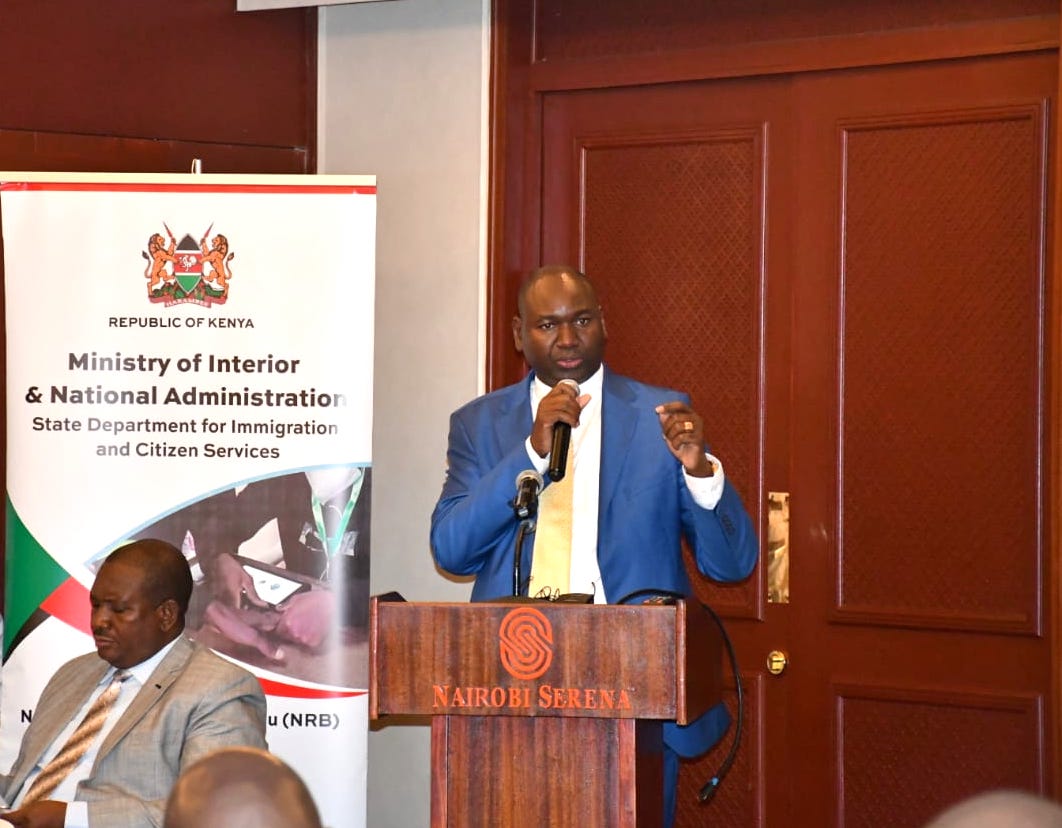
Principal Secretary Julius Bitok emphasized that the Maisha Card system was designed to address multiple objectives: ensuring compliance with both regional and international standards, enhancing security, and consolidating personal data into a single, efficient database. “The Maisha ecosystem is not just about issuing a new ID card; it’s about modernizing and securing personal identification across the nation,” Bitok said in a press statement.


The Maisha Card’s Key Features:
- Enhanced Security: The Maisha Card includes advanced security features to prevent forgery and tampering, addressing concerns about identity fraud and misuse.
- Digital Integration: The card supports a digital version, reflecting Kenya’s commitment to technological advancement and improving access to digital services.
- Database Consolidation: It merges existing personal registration records into a unified national register, reducing redundancy and administrative burdens.
- Microchip Technology: Each Maisha Card contains a machine-readable microchip with a ten-year shelf life, aligning with international practices observed in countries such as Uganda, Tanzania, and France.
According to the PS, rollout of the Maisha Card has been accompanied by extensive public engagement, with over 820 meetings held with stakeholders including civil society, religious leaders, and the private sector.
However, the introduction of the Maisha Card has not been without controversy. Civil society groups have questioned its legality and the propriety of its implementation. In response, Bitok reassured the public of the card’s compliance with International Civil Aviation Organization (ICAO) requirements and regional best practices, underscoring its alignment with global standards for personal identification.
Holders of the Maisha Card will need to renew their IDs every ten years. While the renewal process will not require new biometrics, updated passport-sized photos will be necessary to reflect any changes in facial features over time. This practice mirrors ID management systems in various countries, aiming to keep personal records current and accurate.
To meet the growing demand for Maisha Cards, the NRB has upgraded its printing capacity to 30,000 cards per day, a significant increase from the previous average of 10,000. This expansion is intended to expedite the issuance process and accommodate the needs of Kenya’s expanding population.
Bitok concluded, “We are committed to ensuring that all eligible Kenyans receive their Maisha Cards promptly and efficiently. Our efforts are focused on making this transition as smooth as possible while addressing any concerns raised by the public.”