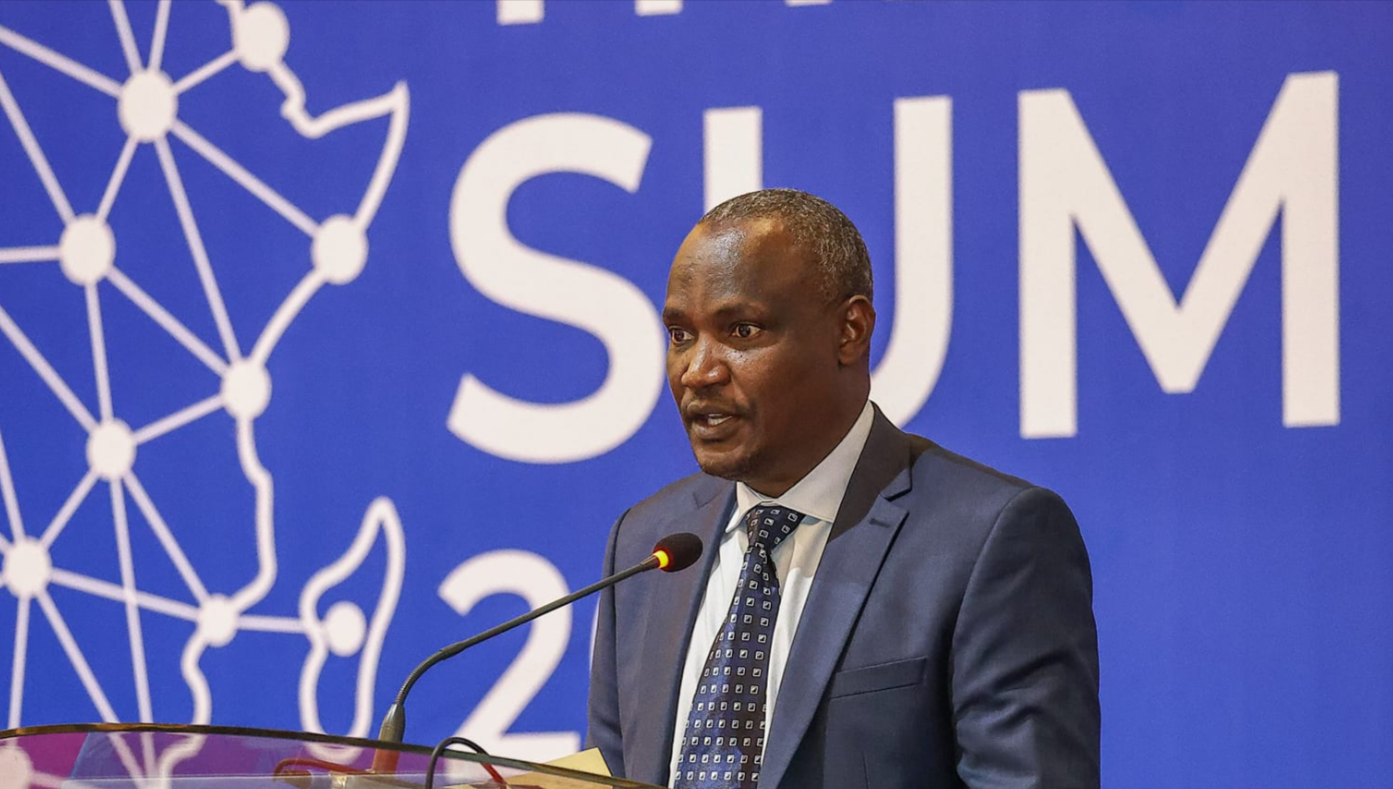
The Kenyan government will prioritize improving staff welfare at the Kenya Revenue Authority (KRA) to enhance tax administration and collection, Treasury Cabinet Secretary John Mbadi announced during the 2024 KRA Annual Summit. Mbadi emphasized that addressing employee needs is crucial to unlocking the full potential of the country’s revenue agency.
Speaking at the summit, which is part of the annual Taxpayers’ Month, Mbadi acknowledged the pivotal role of KRA staff in achieving Kenya’s ambitious fiscal goals. He revealed plans to increase the KRA budget by at least 30% in the next financial year, stressing that staff welfare improvements are essential for efficient tax collection.
“You expect someone to collect money and bring it to you when he has a sick child in the hospital? It’s not possible. We must feed this cow if we want to milk it,” Mbadi said, using a metaphor to explain the need to invest in the workforce. He added that improving healthcare coverage for KRA employees and filling vacant leadership positions within the agency are key priorities.
Many senior KRA staff are currently in acting positions, which Mbadi believes negatively impacts morale and performance. “A strategy must be developed quickly. These positions must be filled competitively. If the people are qualified, confirm them. If not, get qualified individuals to occupy the roles,” he added, committing to resolving the issue within two months.


Beyond staff welfare, the Treasury CS also highlighted the government’s commitment to enhancing revenue collection. He outlined a medium-term revenue strategy aimed at fiscal consolidation and expanding Kenya’s tax base. This strategy is central to meeting the East African Community’s fiscal deficit target of 3% of GDP, with Mbadi hinting at the possibility of achieving a balanced budget by 2027-2028.
To achieve these goals, the government will focus on widening the tax base by targeting sectors that are currently under-taxed. “We are probably overtaxing a few Kenyans and leaving the majority not paying their fair share,” Mbadi noted, citing low compliance in VAT and rental income taxes as areas needing urgent attention. He pointed out that VAT collection stands at 3.8% of GDP, far below its potential of 6%.
“We are developing a system to enhance tax visibility, not to harass people, but to ensure everyone pays their fair share,” Mbadi explained. This system will make it easier to identify taxpayers and ensure compliance, especially in areas like rental income, where the government is only collecting KES 17 billion annually, despite having the potential to collect up to KES 100 billion.
Mbadi also reiterated the importance of embracing technology to streamline tax administration. He acknowledged the challenges facing KRA’s current systems, such as the Integrated Customs Management System (ICMS), which he said is outdated and inefficient. “Your staff may not tell you this directly, but ICMS is not working. We must fix our systems to ensure efficiency,” Mbadi told KRA leadership.
The government plans to accelerate the digitization of tax collection processes to improve transparency and efficiency. Mbadi emphasized that technology will play a critical role in closing revenue loopholes and enhancing compliance, particularly in areas like VAT and customs.
Mbadi further revealed that the government is also considering reducing corporate tax from 30% to 25%, alongside a potential reduction in VAT from 16% to 14%. He explained that the objective is not to raise taxes but to expand the tax base and use the collected revenues more efficiently.
“If we expand the tax base and collect taxes more efficiently, we can reduce the burden on individuals and businesses. This will create more room for the private sector to grow, employ more people, and contribute more to the economy,” he said.
Mbadi also addressed the issue of tax malpractices, including tax evasion, money laundering, and corruption. He called for greater international cooperation to combat these illicit financial flows, which undermine the country’s revenue mobilization efforts.
“Illicit financial flows continue to pose significant challenges, especially in developing countries like ours. We must prioritize policies that empower tax administrations to address these issues effectively,” he said.
Mbadi reaffirmed the National Treasury’s commitment to supporting KRA in achieving its revenue targets. He urged summit participants to engage in meaningful discussions that will transform Kenya’s tax system and improve trade facilitation.