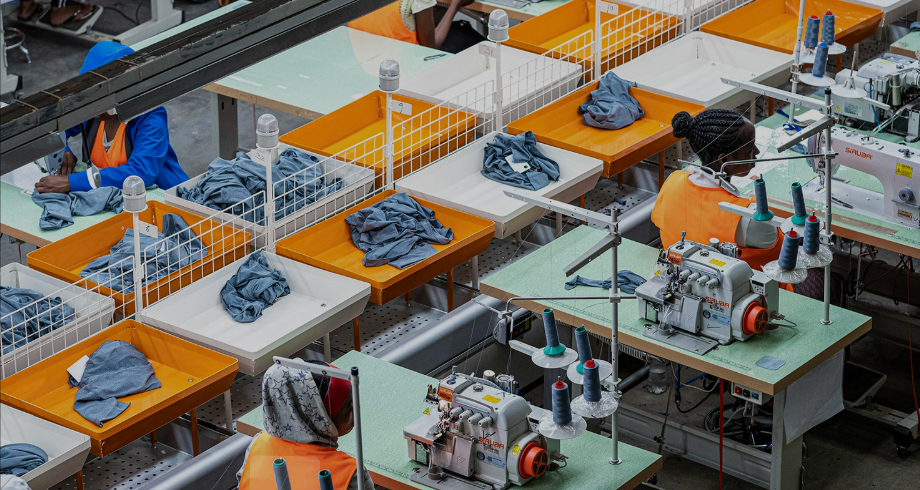
Kenya’s textile and apparel sector is entering a moment of quiet reinvention. For decades, it was seen mainly as an export engine, stitching garments for big-name global brands under preferential trade agreements like AGOA. But beyond the factory lines and export quotas, something more exciting is taking shape, a movement driven by local creativity, sustainability and cultural expression.
Today, young Kenyan designers, entrepreneurs and textile innovators are reclaiming the narrative. They are no longer satisfied with just serving foreign labels, they want to create something proudly Kenyan. Local brands are emerging that blend traditional African fabrics like kitenge and kikoi with modern cuts, targeting a rising middle class eager for clothing that speaks to both identity and style. This creative energy is spilling over into fashion weeks, pop-up markets and social media platforms, where Kenyan-made collections are gaining regional and even international attention.
Manufacturers are also responding to shifting tides. Instead of focusing solely on large export orders, some are pivoting to shorter production runs for local designers, offering flexibility and fostering innovation. Small and medium-sized enterprises are stepping in to fill gaps in fabric processing, dyeing and finishing, areas long overlooked in favor of bulk garment assembly. This shift is helping to build a more integrated local value chain, where raw materials, design, production and marketing are increasingly connected.
Yet challenges remain. Kenya’s textile sector continues to face stiff competition from imported second hand clothes, infrastructure gaps and high production costs. Access to affordable financing for small players, coupled with the need for skilled labour and modern technology, are ongoing hurdles. Still, industry players are showing resilience. Some are experimenting with sustainable practices, such as eco-friendly dyes or fabric recycling, while others are leveraging digital platforms to reach younger, more socially conscious consumers.
Perhaps most importantly, the sector is evolving into more than just an economic activity, it’s becoming a platform for cultural storytelling. Fashion is being used to express history, community and identity in ways that transcend mere trends. If Kenya nurtures this momentum with smart policy, local investment and cross-industry collaboration, its textile sector could not only boost economic growth but also emerge as a symbol of creativity, pride and African innovation