Kenya’s inflation rate dropped to 3.6% in September 2024, marking the first time in five years that the figure has fallen below 4%, according to the Kenya National Bureau of Statistics (KNBS). This is the lowest inflation rate since July 2010, when it stood at 3.57%. The sharp decline reflects a significant easing in price pressures that have burdened Kenyan households in recent years.
The year-on-year inflation rate, as measured by the Consumer Price Index (CPI), fell from 6.9% in September 2023, driven primarily by slower increases in the costs of food, housing, and utilities. The KNBS said in its report: “The price increase was mainly driven by the rise in prices of commodities under Food and Non-Alcoholic Beverages (5.1%), Housing, Water, Electricity, Gas and Other Fuels (2.6%), and Transport (0.5%) between September 2023 and September 2024.”
The CPI, which tracks the average change in prices paid by consumers for goods and services, rose only marginally from 139.87 in August 2024 to 140.13 in September, translating to a monthly inflation increase of just 0.2%. This easing of inflation marks a significant break from the volatile price trends of the past five years, with September’s figure standing as the lowest recorded in 60 months.
Key Sectors Driving Inflation

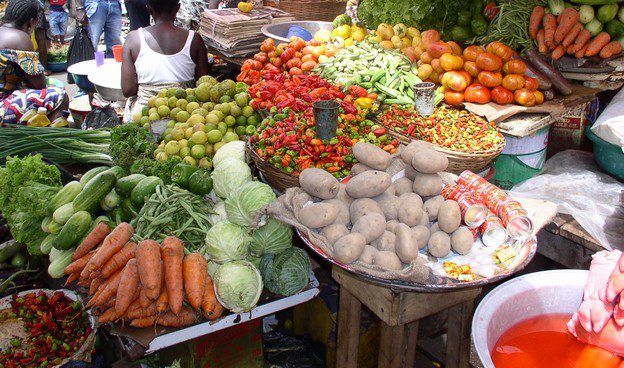
The slowdown in inflation was particularly evident in the food sector, which saw smaller month-on-month price increases. Notably, the Food and Non-Alcoholic Beverages Index rose by only 0.4% between August and September 2024, with prices of oranges, potatoes, and fresh fish climbing 5.2%, 2.3%, and 2.1%, respectively. The cost of beef with bones edged up by 0.9%. However, these increases were balanced by price declines for sugar (down 2.8%), wheat flour (down 2.1%), and fresh milk (down 0.6%).
Housing, utilities, and fuel prices also eased, with the Housing, Water, Electricity, Gas, and Other Fuels Index dropping by 0.1% in the same period. This decrease was driven by lower prices for kerosene, which fell by 2.1%, and electricity, which saw reductions of 0.8% for 50 kWh and 0.7% for 200 kWh. The relatively stable costs in these essential areas helped contain overall inflationary pressures.
Transport prices, another key component of the CPI, increased only slightly by 0.1%, reflecting a rise in city bus fares. However, petrol and diesel prices remained unchanged during the month, contributing to the muted inflation in the transport sector.
Historic Low and Economic Stability
The drop below 4% inflation is a significant milestone for Kenya, as it has not been achieved since September 2019. The decline signals a degree of economic stabilization, offering relief to consumers facing higher costs for essential goods and services in recent years. The KNBS attributed part of this easing to a stable exchange rate, which has helped mitigate some of the external pressures on the Kenyan economy.
“The low and stable exchange rate has provided support in easing the inflationary pressures that have been witnessed in the past year,” the KNBS noted in its report.
The last time Kenya recorded inflation this low was in July 2010, when inflation stood at 3.57%. Since then, the country has grappled with fluctuating inflation rates, driven by external factors such as global oil price volatility, supply chain disruptions, and domestic challenges, including droughts that have affected agricultural production.
Outlook and Risks
While the easing inflation is a positive development for Kenya’s economy, some risks remain. Weather patterns, particularly the El Niño phenomenon expected later this year, could impact food production and push prices higher in the coming months. Additionally, global energy prices and other external factors could still exert upward pressure on inflation.
Nevertheless, with the current inflation rate well within the Central Bank of Kenya’s target range of 2.5% to 7.5%, the country is on firmer economic ground than in recent years. Macdonald G. Obudho, Director General of the KNBS, said the bureau will continue to closely monitor inflation trends. “We will remain vigilant in tracking price movements across key sectors to ensure timely and accurate data for policy decision-making,” he stated.