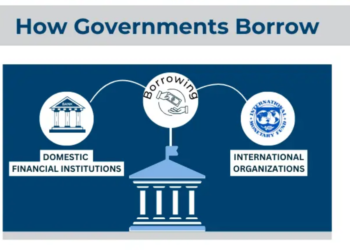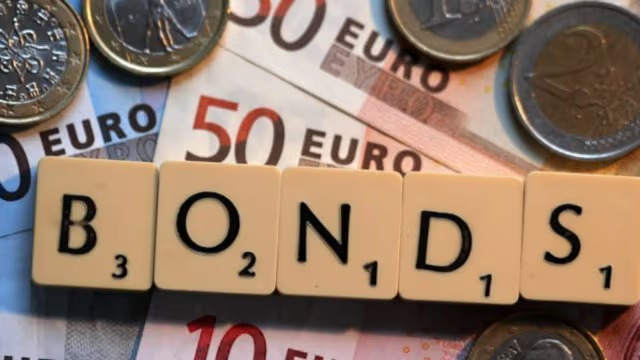
Kenya’s external debt from Eurobonds has risen to approximately Sh1.4 trillion, following recent issuances aimed at refinancing maturing loans and supporting government development projects. The increase highlights the country’s continued reliance on international financial markets to fund public spending.Eurobonds, which are debt securities sold to foreign investors, have become an important tool for Kenya in managing its financing needs. By issuing these bonds, the government can raise funds without relying solely on domestic borrowing, which can crowd out private sector investment. However, Eurobonds also come with higher interest rates compared to domestic loans, and repayment obligations are in foreign currencies, which exposes the country to exchange rate risks.
The recent bond sales attracted both institutional and retail investors, drawn by attractive yields relative to other regional securities. Analysts note that strong investor appetite for Kenya’s Eurobonds reflects confidence in the country’s creditworthiness, despite concerns about rising debt levels.Rising Eurobond debt contributes significantly to Kenya’s overall public debt profile, which has been under pressure in recent years due to infrastructure spending, social programs, and servicing of existing loans. According to economic analysts, managing this debt requires careful planning to ensure that borrowing does not compromise the country’s fiscal stability or credit ratings.
Government officials emphasize that funds raised from Eurobond issuances are directed toward priority development projects, including energy, transportation, and healthcare infrastructure. By investing in these sectors, the government aims to generate long-term economic growth that will help cover debt obligations while improving public services.Despite these measures, critics argue that Kenya must balance borrowing with revenue collection and expenditure efficiency. Excessive reliance on external borrowing could increase vulnerability to global market fluctuations, such as rising interest rates or currency depreciation, which could raise debt servicing costs.
Market observers believe that Kenya’s strategy of using Eurobonds alongside domestic debt instruments can be effective if funds are allocated efficiently and repayment schedules are managed prudently. Transparent reporting and strategic investments remain crucial to ensuring that borrowing contributes positively to economic growth.As Kenya continues to leverage Eurobonds, policymakers face the challenge of safeguarding financial stability while funding essential development projects. The success of these strategies will shape the country’s economic outlook in the coming years and determine the sustainability of its growing debt.