Kenya’s current account deficit is often framed as a vulnerability, a sign that the country imports more than it exports and relies heavily on external financing. While this imbalance does carry risks, it also reflects deeper structural realities of a growing, import-dependent economy. More importantly, it highlights clear opportunities for reform, investment, and long-term competitiveness.
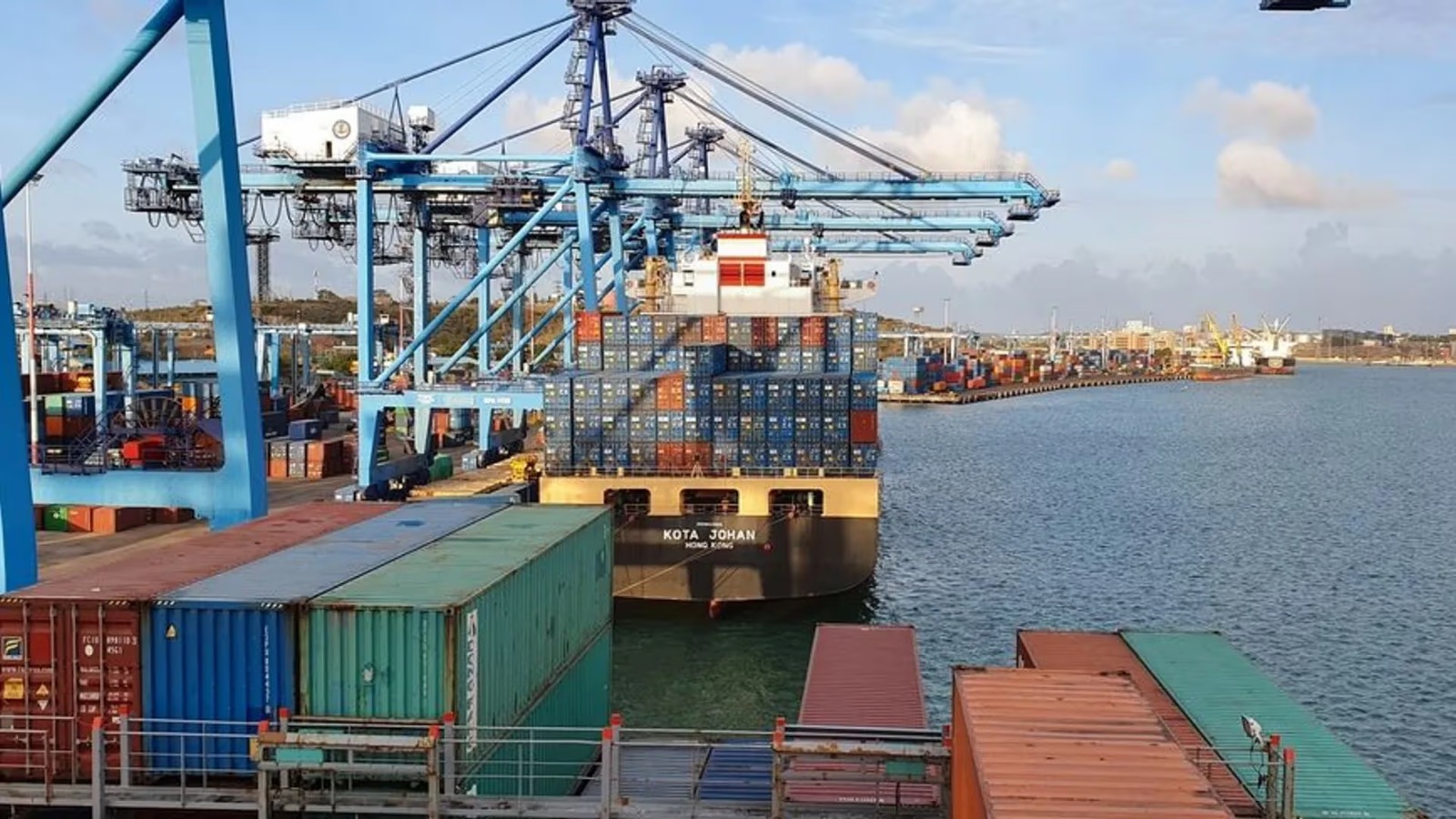
At its core, the current account deficit captures the gap between what the country earns from exports, services, and remittances, and what it spends on imports and external payments. For Kenya, imports of fuel, machinery, manufactured goods, and capital equipment consistently outpace export earnings. This is not unusual for an economy investing in infrastructure, urbanization, and industrial capacity. The risk arises when the deficit becomes persistent without corresponding growth in productive capacity or export diversification.

One immediate consequence of a wide deficit is pressure on foreign exchange reserves and the currency. When external inflows slow or global financing conditions tighten, the cost of servicing imports and foreign debt rises. This can feed into inflation and higher borrowing costs. However, these pressures also expose areas where policy and private investment can make a meaningful difference.
Export diversification remains one of the most significant opportunities. Kenya’s export base is still concentrated in agriculture and a narrow range of goods. Expanding value-added exports, such as processed foods, manufactured inputs, and services, can improve foreign earnings without relying solely on volume growth. The steady performance of sectors like ICT services, tourism recovery, and remittances shows that non-traditional exports can play a stabilizing role.
Import substitution offers another avenue. Reducing dependence on imported fuel through renewable energy, improving local manufacturing of basic consumer goods, and strengthening regional supply chains can gradually narrow the deficit. These shifts are less about isolation and more about building domestic capacity where it is economically viable.
Capital inflows also matter. Foreign direct investment targeted at export-oriented industries and infrastructure that lowers production costs can help finance the deficit sustainably. Unlike short-term portfolio flows, such investments support productivity and future foreign exchange generation.
Ultimately, Kenya’s current account deficit should be viewed less as a standalone problem and more as a signal. It reflects both the costs of development and the urgency of structural transformation. Managing it effectively requires aligning trade policy, industrial strategy, and investment priorities with long-term competitiveness. If addressed thoughtfully, the deficit can become a catalyst rather than a constraint, prompting reforms that strengthen exports, deepen domestic production, and build a more resilient external position for the economy.
Start your investment journey today with the Cytonn Money Market Fund. Call + 254 (0)709101200 or email sales@cytonn.com