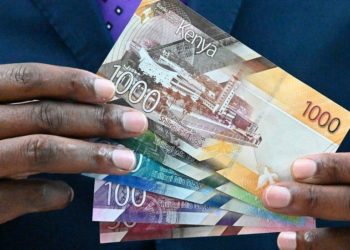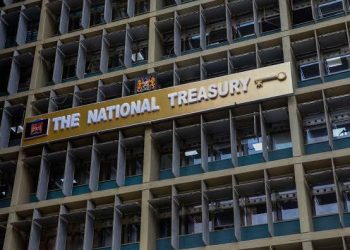
Why does the Kenyan shilling seem to hold steady at around KES 129.0 to the US dollar despite ongoing market fluctuations? This question has recently stirred up widespread discussion, inviting deeper reflection on the country’s monetary dynamics. Skepticism around the stability of the shilling and the handling of foreign exchange reserves is not new. Since 2020, public discourse has been filled with speculation about potential currency manipulation, echoed from policymaking corridors to everyday conversations across the country. However, in the absence of verifiable evidence, it remains unclear whether any deliberate action by the government or the Central Bank of Kenya is influencing the Shilling’s performance
To kick things off, Currency manipulation is a deliberate effort by the government or the CBK to influence exchange rates in a bid to stabilize the economy or jockey around to gain a trade advantage. One may ask hows on earth this may be possible. Here’s the trick, the government can devalue its currency to make its products cheaper abroad thereby boosting exports. Alternatively, the government may decide to strengthen its currency to curb inflation and increase purchasing power. From a balanced standpoint, let’s take a plunge into this debate.
The shilling turnaround began in early 2024 driven by various factors. CBK raised its interest rate to 13.0% on February 6th 2024, and maintained it at that up until their August 2024 sitting, a move that curbed inflation and attracted foreign capital. Simultaneously, the government issued a USD 1.5 billion Eurobond in February 2024 and used the proceeds to buy back a looming USD 2.0 billion Eurobond easing the fears of default in the market in June 2024. Increase in export values and diaspora remittances during the period also strengthened the shilling.
However, below the success lies many questions of artificiality; an already struggling economy with debt of 10.9 trillion as at April 4th 2025, trade deficits, fluctuating foreign exchange inflows and global pressures such as the recent threat of tariffs by USA yet the Kenyan shilling still sits pretty, remaining unscathed at 129.6 KES per dollar as other currencies tank due to the worsening economic woes. From an economics lens, this is purely unnatural and it raises eyebrows.


CBK on their part has continually denied interference maintaining their position that Kenya Operates a floating exchange regime where exchange rates are determined by the market forces of demand and supply of foreign currency with Governor Thugge emphasizing on maintaining stability as opposed to fixing the rates and artificiality.
For now, the Kenyan shilling story remains a paradox, commendable runs intertwined with several weaknesses. Trying to understand this story will obscure more than it reveals! Luckily for us, clarity will come as we move forward.