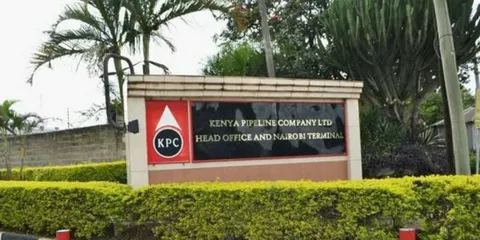
In a significant move that is set to reshape Kenya’s infrastructure sector, the Kenya Pipeline Company (KPC) has announced a KES 4.9 billion for upgrading fuel transit to western Kenya and the neighboring countries, will be awarded exclusively to Kenyan firms. This decision which was made public on April 13, 2025, is part of KPC’s efforts to support local businesses, keep capital within the country and create more job opportunities for Kenyans.
The tender is focused on upgrading key fuel transport infrastructure, a vital part of KPC’s goal to modernize and improve the country’s energy supply chain. By reserving the tender for local companies, KPC is not only providing these businesses with the chance to take on major projects but also investing in the growth of Kenya’s construction and engineering industries. Many Kenya firms already have the experience and technical skills required to handle large-scale projects and this initiative gives them an opportunity to prove their abilities.
This initiative is in line with the government’s broader economic policy which aims to reduce reliance on foreign firms for large projects. By focusing on local companies, KPC is helping to keep more capital in Kenya and contribute to the growth of the domestic economy. The initiative also aims to create employment opportunities for Kenyans, boost skills development and build a more self-reliant economy.
However, the decision has raised concerns among some in the industry. Critics argue that restricting the tender to Kenyan firms could limit competition which might affect the quality of work. Some also worry that excluding international firms may reduce access to advanced technologies. Transparency is also a key concern with some questioning whether the process will be fair and free of bias. Despite these concerns, many local firms see this decision as an exciting opportunity. For years, Kenyan businesses have been subcontracted on larger projects gaining valuable experience along the way and now this tender offers them a chance to take center stage and demonstrate what they can achieve. The KPC initiative could serve as a model for other government agencies looking to prioritize local content in future projects.


The outcome of the process will be crucial for Kenya’s future procurement policies. If the tender goes smoothly and delivers the desired results, it could inspire other public institutions to follow suit and invest in local talent. Ultimately, the success of KPC’s KES 4.9 billion tender will depend on how well it balances the need for local empowerment with the necessity of delivering high-quality cost-effective projects on time.
As KPC moves forward with the tendering process, industry watchers and stakeholders will be closely following how the initiative unfolds. The hope is that this decision will not only strengthen Kenya’s infrastructure but also set the stage for a more robust self-sustaining economy in the years to come