Sharp Daily
No Result
View All Result
Saturday, January 10, 2026
  • Home
  • News
    • Politics
  • Business
    • Banking
  • Investments
  • Technology
  • Startups
  • Real Estate
  • Features
  • Appointments
  • About Us
    • Meet The Team
Sharp Daily
  • Home
  • News
    • Politics
  • Business
    • Banking
  • Investments
  • Technology
  • Startups
  • Real Estate
  • Features
  • Appointments
  • About Us
    • Meet The Team
No Result
View All Result
Sharp Daily
No Result
View All Result
Home News

Cabinet approves KES 117 billion write-off for Kenya’s sugar sector

Brian Murimi by Brian Murimi
October 9, 2023
in News
Reading Time: 2 mins read

Kenya’s cabinet approved writing off KES 117 billion  in loans and tax arrears owed by public sugar mills on Monday, in a move aimed at reviving the struggling sugar industry centered in the country’s Nyanza region.

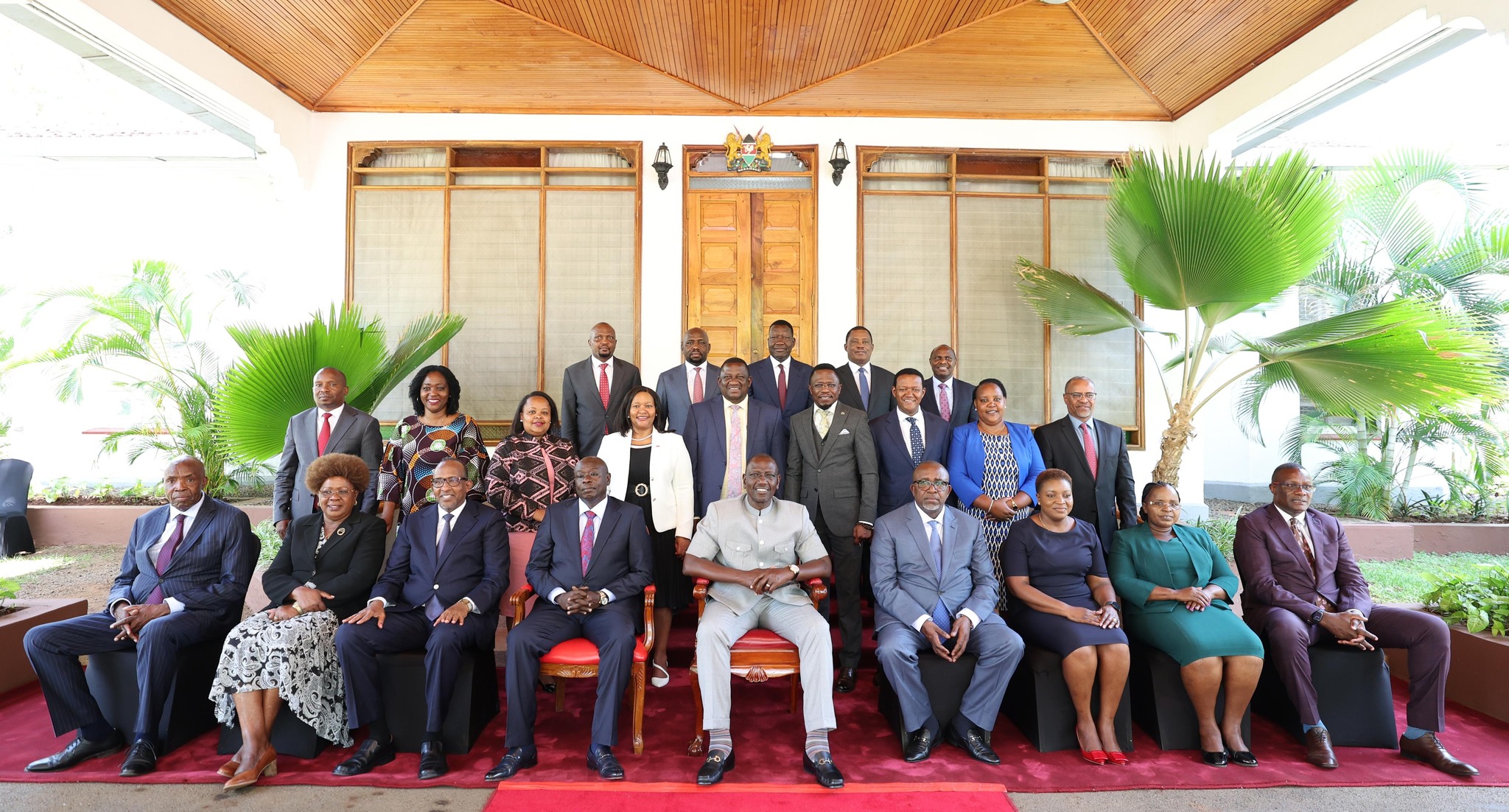
The decision came during a cabinet meeting in Kisumu chaired by President William Ruto, the third gathering held outside the capital as part of his presidential working tours across Kenya.

The substantial write-off for the heavily indebted public millers is intended to act as “a boost to the Nyanza economy” where sugar production is concentrated, according to a despatch from the Executive Office of the President.

The relief package also includes a 90-day payment plan for the mills to clear significant salary and farmer arrears that have hampered operations.

RELATEDPOSTS

How Elon Musk’s Grok AI unleashed a wave of non-consensual digital sexual abuse on X

January 9, 2026

Distributor moves to court to block Diageo’s planned exit from EABL

January 8, 2026

Sugarcane farmers have faced major challenges from the decline of public sugar mills for decades across Nyanza and Western Kenya, two key sugarcane growing regions.

The package aims to “reinvigorate public sugar mills, the backbone of the Nyanza/Western economy,” the despatch stated.

Read more: Kenya approves LPG policy to transition households from dirty fuels

The cabinet also approved a new health project to establish local capacity for vaccine production, strengthen regulation and quality control, and enhance pandemic preparedness.

The project comprises establishing facilities for vaccine fill-and-finish production at the Kenya BioVax Institute, boosting regulatory capacity at the Pharmacy and Poisons Board, upgrading quality control at the National Quality Control Laboratory, strengthening the National Public Health Institute, and building workforce skills in bio-manufacturing.

The cabinet said the project aims to support a ‘one health’ approach leveraging local production and innovation to bolster Kenya’s health system and realization of universal health coverage.

“This seminal programme is projected to contribute towards supporting the ‘one health’ approach based on local production, research, and innovation; which is integral to improving the social determinants of health in Kenya,” the despatch stated.

In line with the government’s ‘Buy Kenya Build Kenya’ policy, the cabinet directed the Kenya Medical Supplies Authority to prioritize locally made pharmaceuticals in procurement.

The session also approved establishing a new transport accident investigation bureau covering all modes, and co-hosting AFCON 2027 with stadium upgrades. Education reforms, a Technopolis Bill, presidential mercy policy, extradition agreements, and a tree planting campaign were among other items approved.

The Kisumu cabinet meeting also approved upgrades to the Gogo hydropower plant along the Kuja River to improve electricity supply in the area.

Email your news TIPS to editor@thesharpdaily.com

Previous Post

Kenya approves LPG policy to transition households from dirty fuels

Next Post

Teen pregnancies reach alarming levels in Kilifi County

Brian Murimi

Brian Murimi

Brian Murimi is a journalist with major interests in covering tech, corporates, startups and business news. When he's not writing, you can find him gaming, watching football or sipping a nice cup of tea. Send tips via bireri@thesharpdaily.com

Related Posts

News

The Economics of Working Abroad: Where Opportunity Meets Trade-Offs

January 9, 2026
News

The Question of Country Risk: Why Perception Matters as Much as Reality

January 9, 2026
News

How Early Campaign Cycles Shape Business Confidence and Investment Timing

January 9, 2026
News

Financial literacy as an investment

January 9, 2026
News

Kenya’s Trade Deficit with China Widens to Kes 475.6 Bn

January 9, 2026
News

When borrowing masks structural weaknesses

January 9, 2026

LATEST STORIES

How poor waste management is undermining Nairobi

January 9, 2026

Self-Insurance by Another Name: The Rise of Investment Based Risk Management

January 9, 2026

The Economics of Working Abroad: Where Opportunity Meets Trade-Offs

January 9, 2026

The Question of Country Risk: Why Perception Matters as Much as Reality

January 9, 2026

How Early Campaign Cycles Shape Business Confidence and Investment Timing

January 9, 2026

From Shadow to Structure: What CBK’s Licensing of Digital Lenders Means for Kenya’s Credit Market

January 9, 2026

Financial literacy as an investment

January 9, 2026

How Equities and Fixed Income Markets Will Shape Pension Scheme Performance in Kenya in 2025

January 9, 2026
  • About Us
  • Meet The Team
  • Careers
  • Privacy Policy
  • Terms and Conditions
Email us: editor@thesharpdaily.com

Sharp Daily © 2024

No Result
View All Result
  • Home
  • News
    • Politics
  • Business
    • Banking
  • Investments
  • Technology
  • Startups
  • Real Estate
  • Features
  • Appointments
  • About Us
    • Meet The Team

Sharp Daily © 2024