Kenya’s cabinet approved writing off KES 117 billion in loans and tax arrears owed by public sugar mills on Monday, in a move aimed at reviving the struggling sugar industry centered in the country’s Nyanza region.
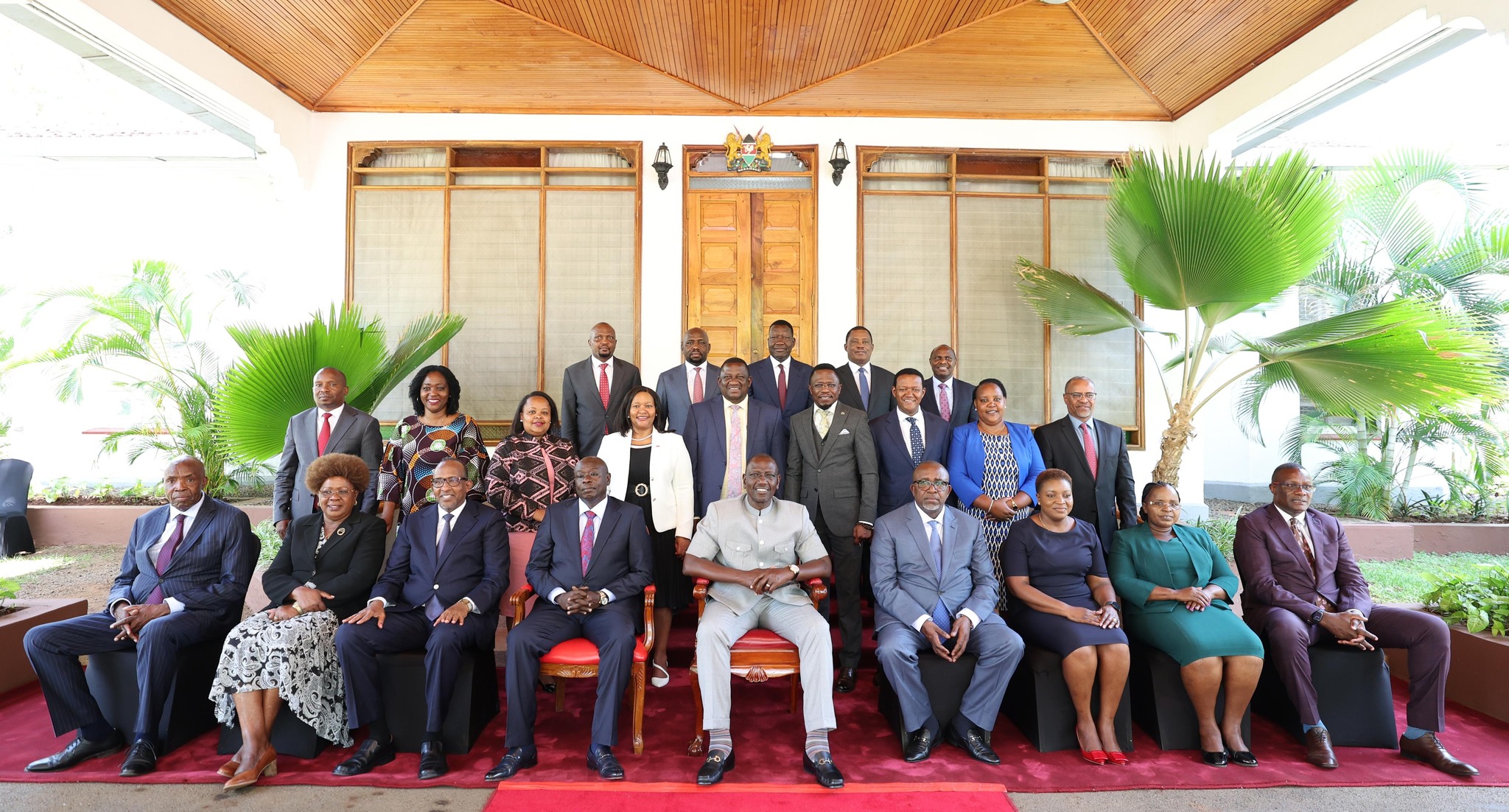
The decision came during a cabinet meeting in Kisumu chaired by President William Ruto, the third gathering held outside the capital as part of his presidential working tours across Kenya.
The substantial write-off for the heavily indebted public millers is intended to act as “a boost to the Nyanza economy” where sugar production is concentrated, according to a despatch from the Executive Office of the President.
The relief package also includes a 90-day payment plan for the mills to clear significant salary and farmer arrears that have hampered operations.


Sugarcane farmers have faced major challenges from the decline of public sugar mills for decades across Nyanza and Western Kenya, two key sugarcane growing regions.
The package aims to “reinvigorate public sugar mills, the backbone of the Nyanza/Western economy,” the despatch stated.
Read more: Kenya approves LPG policy to transition households from dirty fuels
The cabinet also approved a new health project to establish local capacity for vaccine production, strengthen regulation and quality control, and enhance pandemic preparedness.
The project comprises establishing facilities for vaccine fill-and-finish production at the Kenya BioVax Institute, boosting regulatory capacity at the Pharmacy and Poisons Board, upgrading quality control at the National Quality Control Laboratory, strengthening the National Public Health Institute, and building workforce skills in bio-manufacturing.
The cabinet said the project aims to support a ‘one health’ approach leveraging local production and innovation to bolster Kenya’s health system and realization of universal health coverage.
“This seminal programme is projected to contribute towards supporting the ‘one health’ approach based on local production, research, and innovation; which is integral to improving the social determinants of health in Kenya,” the despatch stated.
In line with the government’s ‘Buy Kenya Build Kenya’ policy, the cabinet directed the Kenya Medical Supplies Authority to prioritize locally made pharmaceuticals in procurement.
The session also approved establishing a new transport accident investigation bureau covering all modes, and co-hosting AFCON 2027 with stadium upgrades. Education reforms, a Technopolis Bill, presidential mercy policy, extradition agreements, and a tree planting campaign were among other items approved.
The Kisumu cabinet meeting also approved upgrades to the Gogo hydropower plant along the Kuja River to improve electricity supply in the area.
Email your news TIPS to editor@thesharpdaily.com