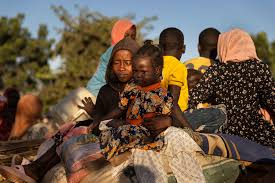
In a world that has constantly been characterized by displacement of persons due to factors such as political instability, especially in the East Africa Region, Kenya is being looked up to as an alternative country for refuge. The latest data from the United Nations High Commissioner for Refugees reveals that Kenya refugees have increased by 19.0% to 832,932 refugees from 699,943 refugees in just one year, with the majority originating from Somalia, South Sudan and the Democratic Republic of Congo. This steep increase in refugee numbers portrays a harsh reality of the declining state of political instability in the region. For years, Kenya has consistently opened its borders to refugees from these warring countries and embraced its role as a safe haven in the region.
Kenya’s refugee policies have been influenced largely by frameworks such as the OAU Refugee Convention of 1969, which recognizes the rights of displaced persons and refugees. However, Kenya’s response goes beyond legal frameworks, reflecting on long-standing cultural and societal ethics emphasizing on humanity and care for each other. Despite Kenya’s goodwill, areas around the refugee camps such as Turkana have been negatively impacted by this influx. For instance, schools in the region have been overstretched, hospitals are overcrowded which has demoralized the doctors. Tension between the refugees and the host communities has also risen which can be attributed to the communities competing for limited resources such as water.
Kenya has demonstrated ethical leadership by consistently opening its borders to refugees from unstable countries. By providing the refugees with basic amenities such quality education and basic healthcare, it has proved to the world that it is possible to live harmoniously with the refugees by treating them with dignity and respect. In 2021, Kenya passed the Refugee Act which laid the foundation for more sustainable inclusion, indicating a shift to integration from encampment.
However, Kenya should not lift the burden alone because it would negatively impact their economy and cause resentment between the locals and the refugees. Stakeholders such as international donors, humanitarian organizations and regional bodies such as the East Africa Community must encourage Kenya’s moral commitment with sufficient support such as increased donor funding and policy partnerships such as the Shirika Plan launched by the Kenyan government in collaboration with UNHCR which aims to transition refugees in camps such as Kakuma into integrated municipalities. This initiative focuses on promoting inclusion by enhancing access to education and healthcare.


Kenya’s role in the refugee crisis is a moral stance rooted in history and identity. The main challenge lies in translating it into functional systems that uphold refugee and human rights in general. In the words of Archbishop Desmond Tutu,” My humanity is bound up in yours, for we can only be human together”.