Sharp Daily
No Result
View All Result
Sunday, June 14, 2026
  • Home
  • News
    • Politics
  • Business
    • Banking
  • Investments
  • Technology
  • Startups
  • Real Estate
  • Features
  • Appointments
  • About Us
    • Meet The Team
Sharp Daily
  • Home
  • News
    • Politics
  • Business
    • Banking
  • Investments
  • Technology
  • Startups
  • Real Estate
  • Features
  • Appointments
  • About Us
    • Meet The Team
No Result
View All Result
Sharp Daily
No Result
View All Result
Home News

Kenya’s private sector sees slight deterioration in March

David Musau by David Musau
April 5, 2024
in News
Reading Time: 2 mins read

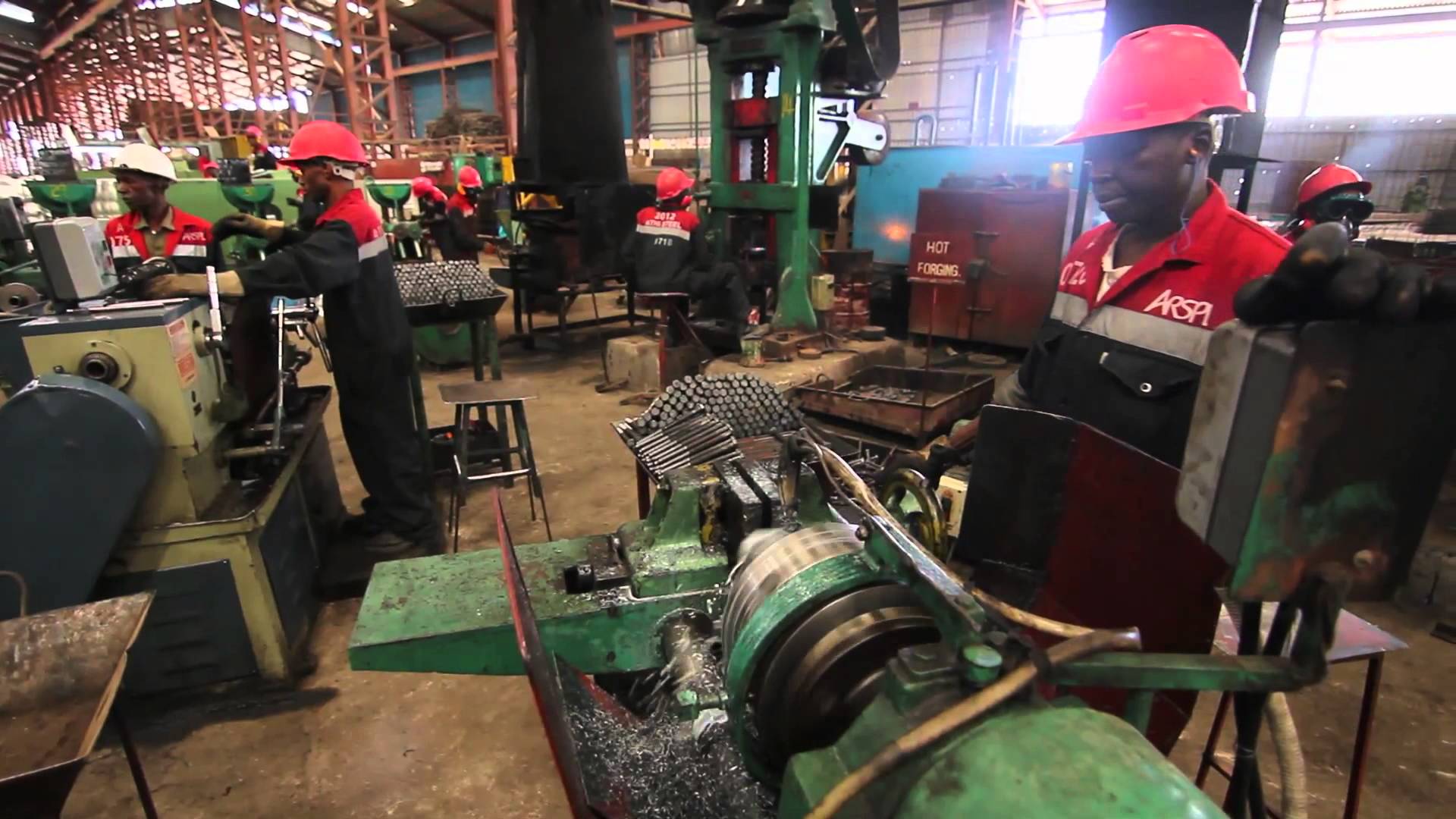
The Stanbic Bank Kenya PMI, a key indicator of the country’s private sector activity, showed a slight deterioration in operating conditions across the private sector in March.

This contrasted with the improvement seen in February, when the PMI rose to 51.3 points – the first time it had been above the neutral 50.0 mark in six months.

According to the data, order book volumes and output levels both contracted in March, contributing to the decline in overall operating conditions.

However, the report also highlighted some positive signals for Kenyan businesses. Staffing and inventories continued to show growth, suggesting potential opportunities for expansion within the private sector.

RELATEDPOSTS

Stanbic bank Kenya posts 16.6% profit decline in Q1 2025

May 9, 2025

Stanbic bank Q3’2024 profit after tax rises 9.3%

November 22, 2024

Additionally, input cost inflation slowed to its lowest level in over three years, which was attributed to a recovery in the Kenyan shilling. This resulted in savings being passed on to customers as output prices rose at a slower pace.

The headline PMI fell below the neutral 50.0 mark in March, dropping to 49.7 from 51.3 in February. This signified a slight decline in operating conditions, marking the lowest recorded for three months.

Business activity reversed its course after February’s upturn, with output contracting modestly. Lower new order intakes and cash flow problems were cited as reasons for this decline.

However, the decline in new orders was fractional, supported by easing price pressures. Inflationary pressures slowed at the end of the first quarter, with overall input costs rising at the slowest pace since February 2021.

Kenyan firms reduced their purchases of inputs in line with weaker sales, leading to shorter supplier delivery times as pressure on vendors relaxed. But firms managed to build their inventories for the second month running, driven by hopes of improving customer demand.

Employment numbers rose for the third consecutive month in March, although the increase was marginal and the slowest in this growth sequence. Expectations towards future output also rose to a four-month high, supporting expansion plans, particularly in the services and wholesale and retail sectors.


Previous Post

KeNHA temporarily shuts down Haile Selassie and Parliament roads

Next Post

KUCO guides degree interns amid ministry talks

David Musau

David Musau

Related Posts

News

June 12, 2026
News

Where Fintech Companies Actually Make Their Real Profits: Beyond Payments and Transaction Fees

June 12, 2026
News

Why Revenue Growth in Fintech Can Be Misleading: The Hidden Economics Behind Digital Payments

June 12, 2026
News

Finance bill 2026: key tax reforms and economic impact in kenya

June 12, 2026
News

INVISIBLE TRANSACTIONS: THE FUTURE OF PAYMENTS

June 12, 2026
News

Kenya’s Growing Reliance on Domestic Borrowing: Opportunity or Crowding-Out Risk?

June 12, 2026

LATEST STORIES

June 12, 2026

Where Fintech Companies Actually Make Their Real Profits: Beyond Payments and Transaction Fees

June 12, 2026

Why Revenue Growth in Fintech Can Be Misleading: The Hidden Economics Behind Digital Payments

June 12, 2026

Finance bill 2026: key tax reforms and economic impact in kenya

June 12, 2026

INVISIBLE TRANSACTIONS: THE FUTURE OF PAYMENTS

June 12, 2026

Kenya’s Growing Reliance on Domestic Borrowing: Opportunity or Crowding-Out Risk?

June 12, 2026

Family Bank’s NSE Listing: A Long-Overdue Milestone for Kenya’s Capital Markets

June 12, 2026

Kenya’s Small Banks Given Until 2032 to Meet Kshs 10 Billion Core Capital Requirement

June 12, 2026
  • About Us
  • Meet The Team
  • Careers
  • Privacy Policy
  • Terms and Conditions
Email us: editor@thesharpdaily.com

Sharp Daily © 2024

No Result
View All Result
  • Home
  • News
    • Politics
  • Business
    • Banking
  • Investments
  • Technology
  • Startups
  • Real Estate
  • Features
  • Appointments
  • About Us
    • Meet The Team

Sharp Daily © 2024