1. The Macroeconomic Disconnect
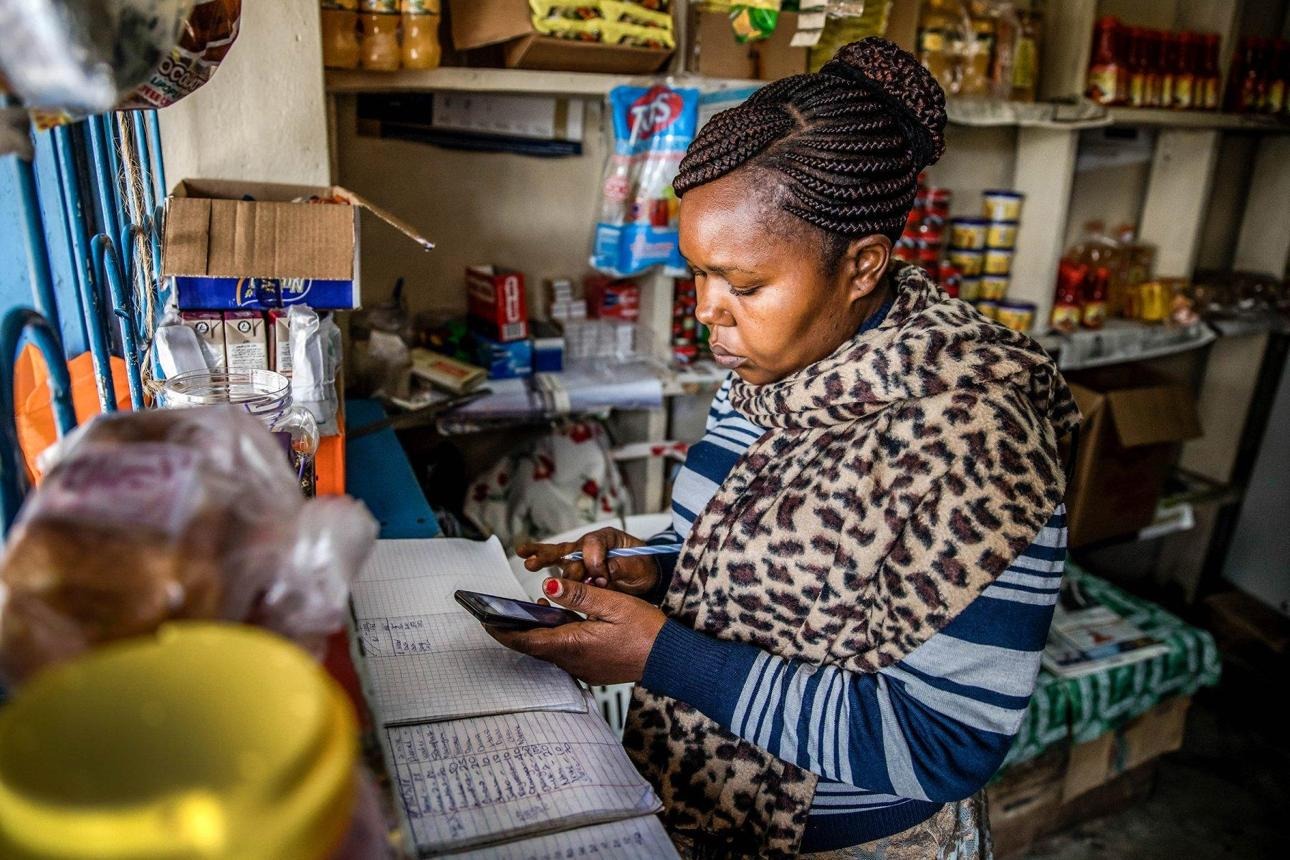
The concurrent release of the Central Bank of Kenya (CBK) CEOs Survey and recent business sentiment reports paints a complex picture of Kenya’s macroeconomic landscape. On the surface, the domestic private sector continues to demonstrate remarkable resilience despite a challenging operating environment. Kenya remains one of Africa’s leading digital economies, with widespread adoption of mobile money and digital payment solutions enabling businesses, particularly Small and Medium Enterprises (SMEs), to continue serving customers efficiently and expanding their digital footprint. However, beneath this resilience lies the growing reality of a Kenya private sector credit crunch, where businesses are increasingly constrained by limited access to affordable financing despite continued optimism about future growth.
The latest Stanbic Bank Kenya Purchasing Managers’ Index (PMI) reinforces this disconnect. The PMI declined to 46.6 in May 2026 from 49.4 in April, remaining below the 50-point threshold that separates expansion from contraction. According to S&P Global, firms reported declining customer demand, reduced new business orders, rising input costs, and persistent economic uncertainty. This divergence between long-term business confidence and deteriorating day-to-day operations illustrates how the Kenya private sector credit crunch is forcing firms to postpone capital expenditure while relying increasingly on digital efficiencies to sustain operations.
2. Converging Headwinds and Profit Margin Squeezes
The Kenya private sector credit crunch is being intensified by multiple domestic and international pressures that continue to compress corporate profit margins. Findings from the CBK CEOs Survey indicate that business leaders remain cautiously optimistic about Kenya’s long-term economic prospects but continue to express concern over elevated operating costs, exchange rate volatility, geopolitical tensions affecting international trade, and the impact of ongoing fiscal consolidation measures. Continued disruptions to global shipping routes through the Red Sea have further increased freight costs and delayed imports, placing additional pressure on businesses dependent on imported raw materials.
At the same time, inflationary pressures continue to weaken household purchasing power and suppress consumer spending. According to the Kenya National Bureau of Statistics (KNBS), elevated food, transport, and energy costs have constrained disposable incomes, making consumers increasingly price-sensitive. As businesses struggle to pass higher production costs on to customers without reducing sales volumes, many have responded by cutting discretionary spending, slowing recruitment, renegotiating supplier contracts, and reducing inventory levels. These defensive measures have become increasingly common as firms attempt to preserve profitability amid the ongoing Kenya private sector credit crunch.


3. Sourcing Code Over Brick-and-Mortar Assets
One of the most significant corporate responses to the Kenya private sector credit crunch has been a strategic shift away from heavy investment in physical assets toward technology-driven operational efficiency. Rather than constructing additional branches, expanding manufacturing facilities, or acquiring commercial property, businesses are directing scarce capital toward software platforms, cloud infrastructure, cybersecurity, digital payment systems, enterprise resource planning (ERP) solutions, and customer relationship management platforms. These investments enable firms to improve productivity while minimizing large upfront capital commitments.
Kenya’s highly developed digital payments ecosystem has accelerated this transition. The continued expansion of mobile money services, e-commerce platforms, and fintech innovations has enabled SMEs to reach wider customer bases, automate financial processes, and improve operational efficiency without significantly increasing fixed costs. Instead of pursuing traditional asset accumulation, businesses are increasingly adopting flexible, asset-light operating models designed to withstand the financial constraints imposed by the Kenya private sector credit crunch while remaining competitive in an increasingly digital economy.
4. High-Yield Securities and the Commercial Lending Divide
From a financial markets perspective, the Kenya private sector credit crunch reflects a widening disconnect between the demand for credit and the willingness of financial institutions to lend. Although businesses continue seeking financing for expansion, working capital, and digital transformation projects, commercial banks remain highly cautious due to heightened economic uncertainty and increased credit risk. This cautious lending environment has made it increasingly difficult, particularly for SMEs, to obtain affordable financing on favorable terms.
While the Central Bank of Kenya (CBK) has maintained a monetary policy stance aimed at supporting economic stability, commercial lending rates remain relatively elevated compared to historical averages. Simultaneously, attractive yields on government securities continue to incentivize banks to allocate a substantial share of available liquidity toward Treasury bills and Treasury bonds rather than extending loans to private enterprises. This preference for lower-risk government investments has become one of the defining characteristics of the Kenya private sector credit crunch, limiting credit growth at a time when businesses require capital to sustain investment and employment.
5. Analytical Lens for Capital Allocators
For investors and capital allocators, the Kenya private sector credit crunch fundamentally changes how corporate performance should be evaluated. Revenue growth and increasing digital transaction volumes, while encouraging, no longer provide sufficient insight into a company’s financial health. Businesses may continue reporting strong customer activity while simultaneously experiencing deteriorating profit margins due to rising operating expenses, elevated financing costs, and constrained access to credit.
Consequently, investors should place greater emphasis on operational efficiency, free cash flow generation, working capital management, and balance sheet resilience when assessing investment opportunities. Companies capable of leveraging technology to reduce costs, improve productivity, and preserve liquidity are likely to outperform businesses dependent on debt-financed expansion or capital-intensive growth models. Ultimately, while Kenya’s digital economy continues to create significant long-term opportunities, successfully navigating the Kenya private sector credit crunch will require disciplined financial management, prudent capital allocation, and sustained operational agility from both businesses and investors alike.